Oritoori - Ishigaki City Official Tourism Information Website
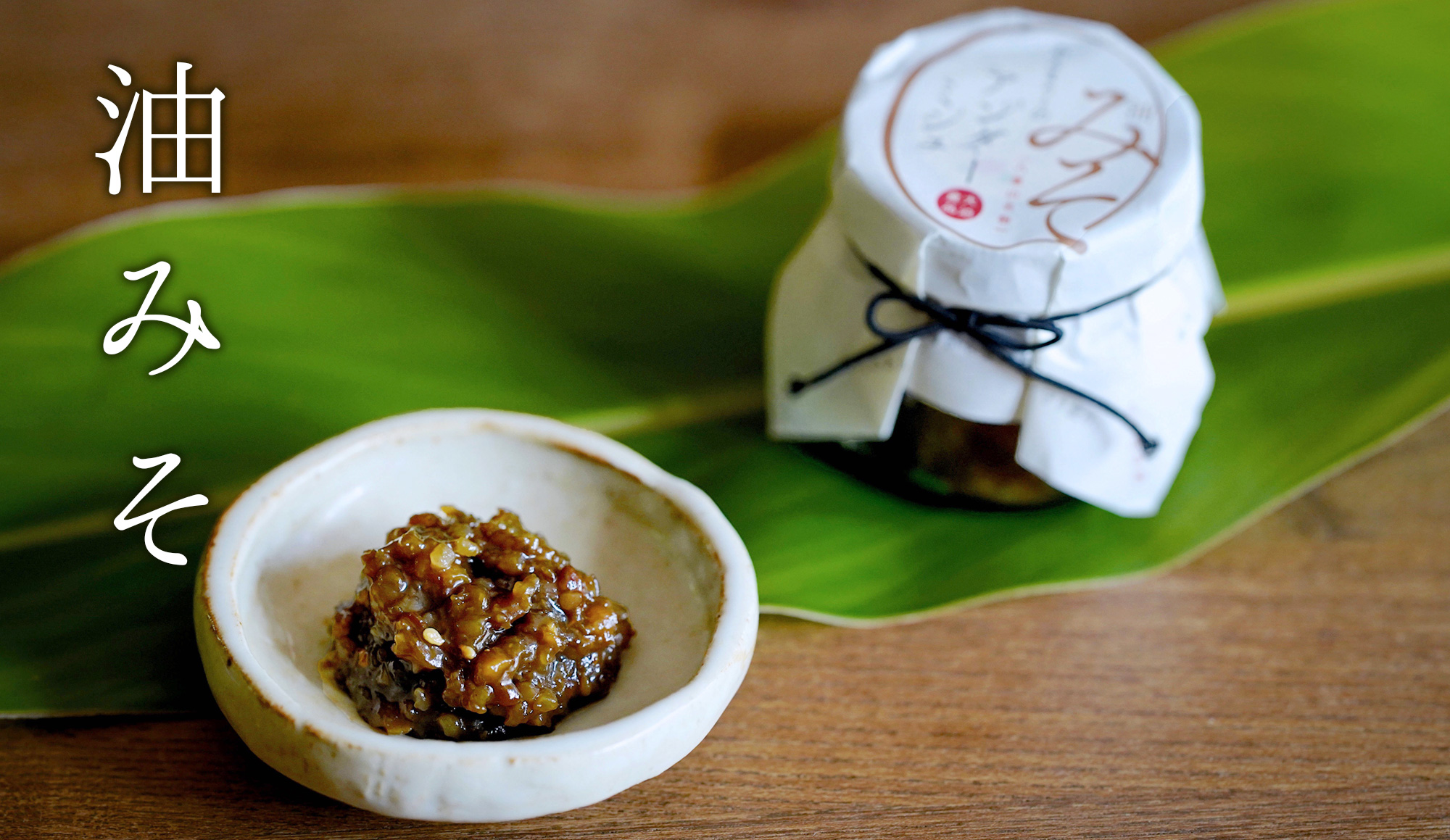
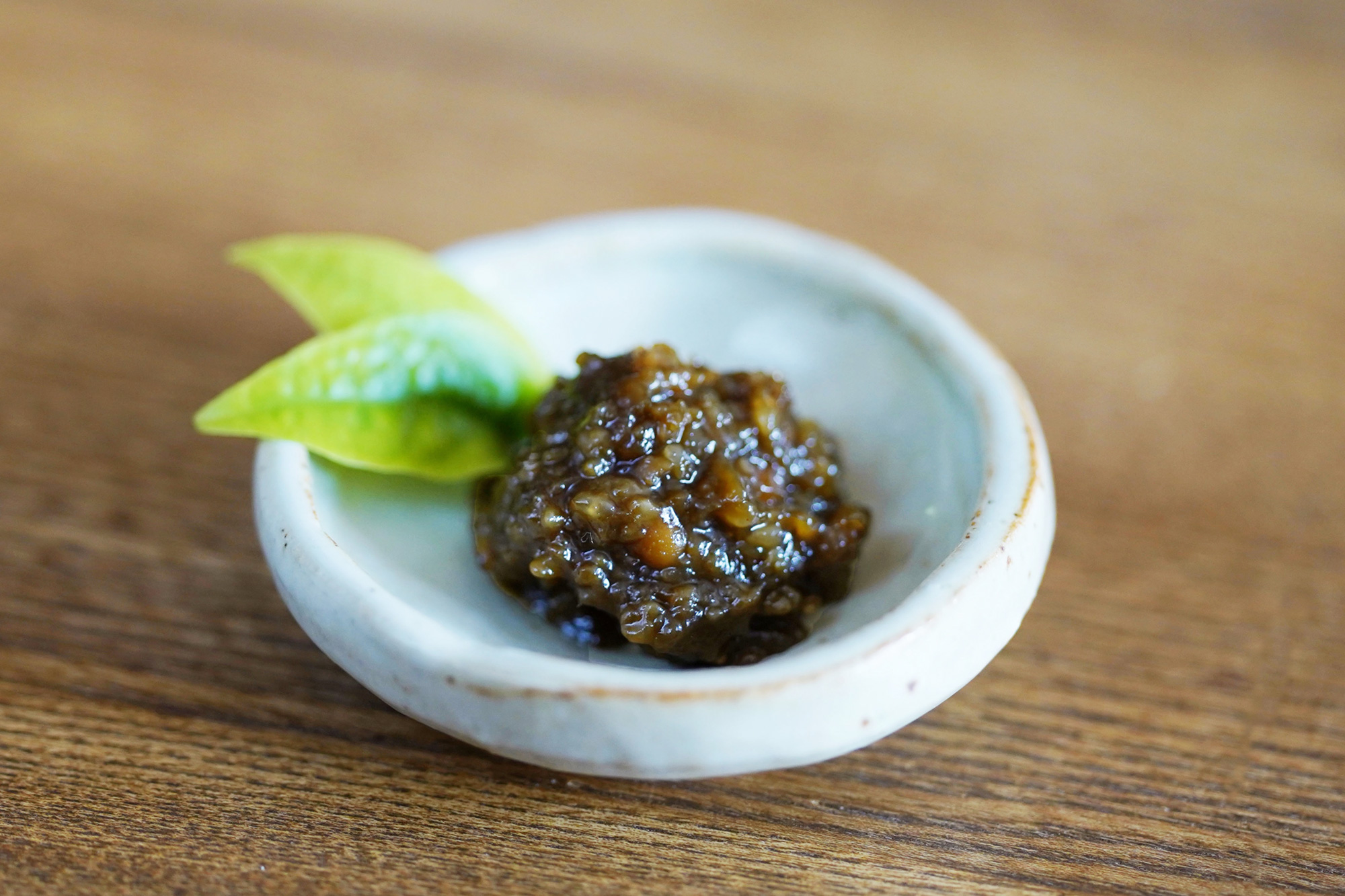
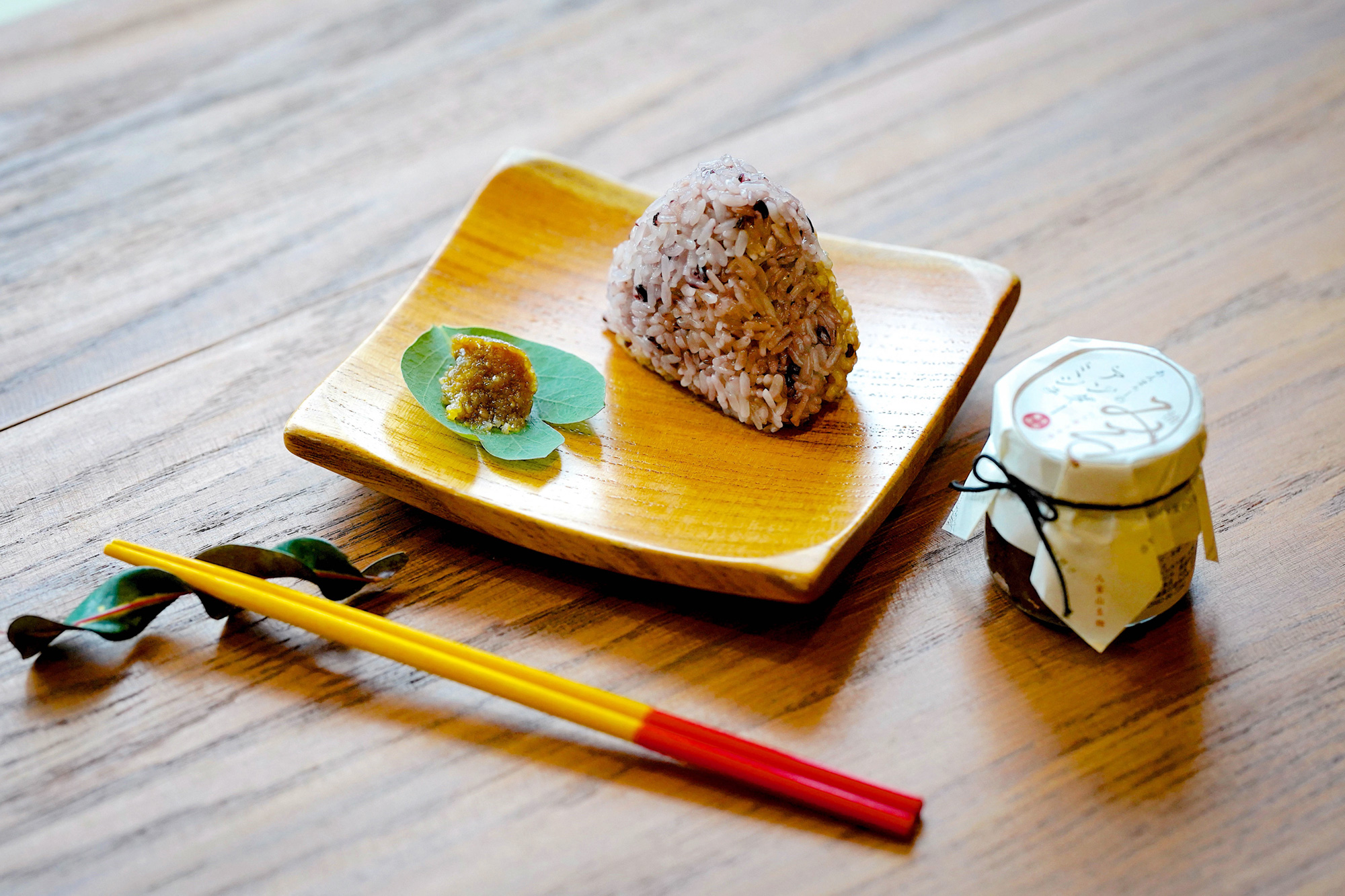
Abura miso, also known as anransu, andansu, andamisu, is an indispensable condiment for the locals on Ishigaki Island. It is eaten on top of rice or tofu, used as a filling for rice balls, or as a seasoning for stir-fries.
Traditional Yaeyama miso is a rice-based miso made using rice, soybeans, and salt. "Abura miso" is also made by mixing pork and its fat into this rice-based miso.
Homemade preserved foods
Originally, "abura miso" was a preserved food made in each household. In the past, with the aim of using up precious ingredients without waste, people cooked the scraps of meat and fat left over after butchering pork, and mixed them with miso to eat.
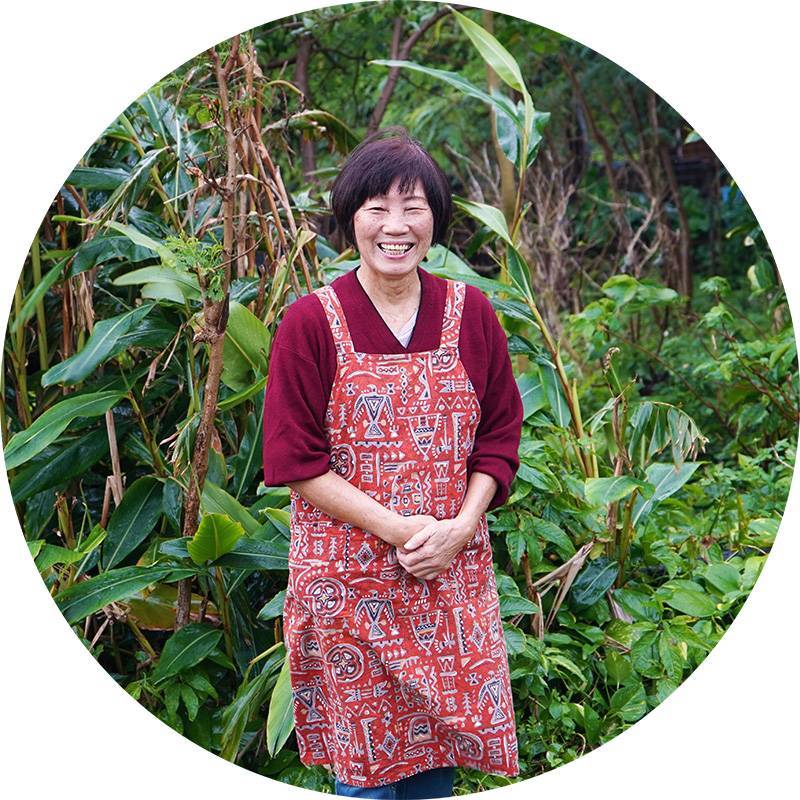
"It's the wisdom of people from the past. Miso keeps well, and it allows you to use up precious meat without wasting anything. Since ancient times, the 'oil miso' made at home has always had different seasonings," says Reiko Miyara of Otomari Foods, which has a small factory in the Shiraho settlement of Ishigaki Island.
Listen, see, touch, work together
Reiko has been helping her parents make "oil miso" since she was little.
"I inherited my mother's cooking style by 'listening, watching, touching, and working alongside her.' Even now, from time to time, I sometimes remember things like, 'My mother used to do it like this,' or 'Her hands were like this,'" says Reiko.
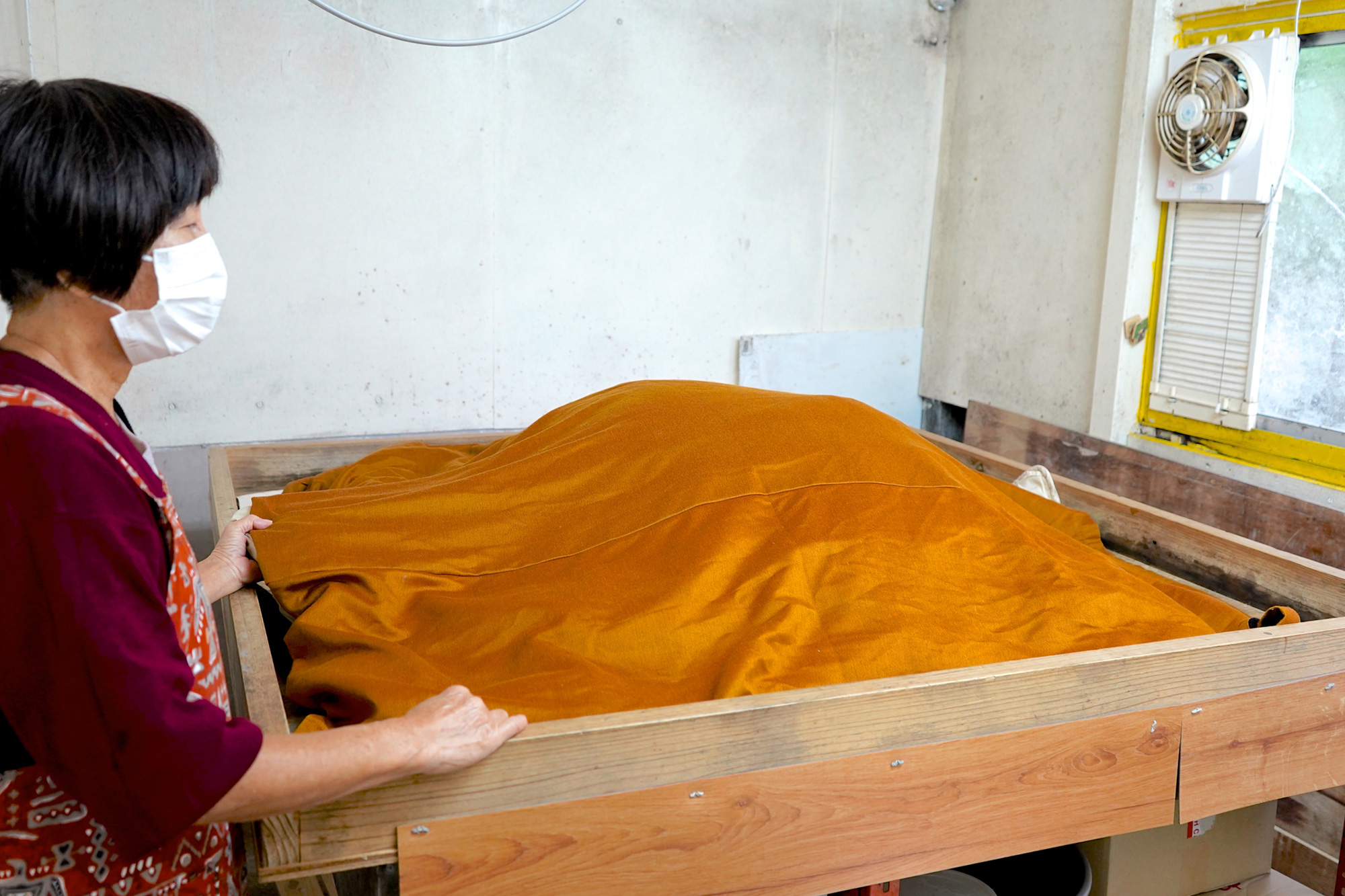
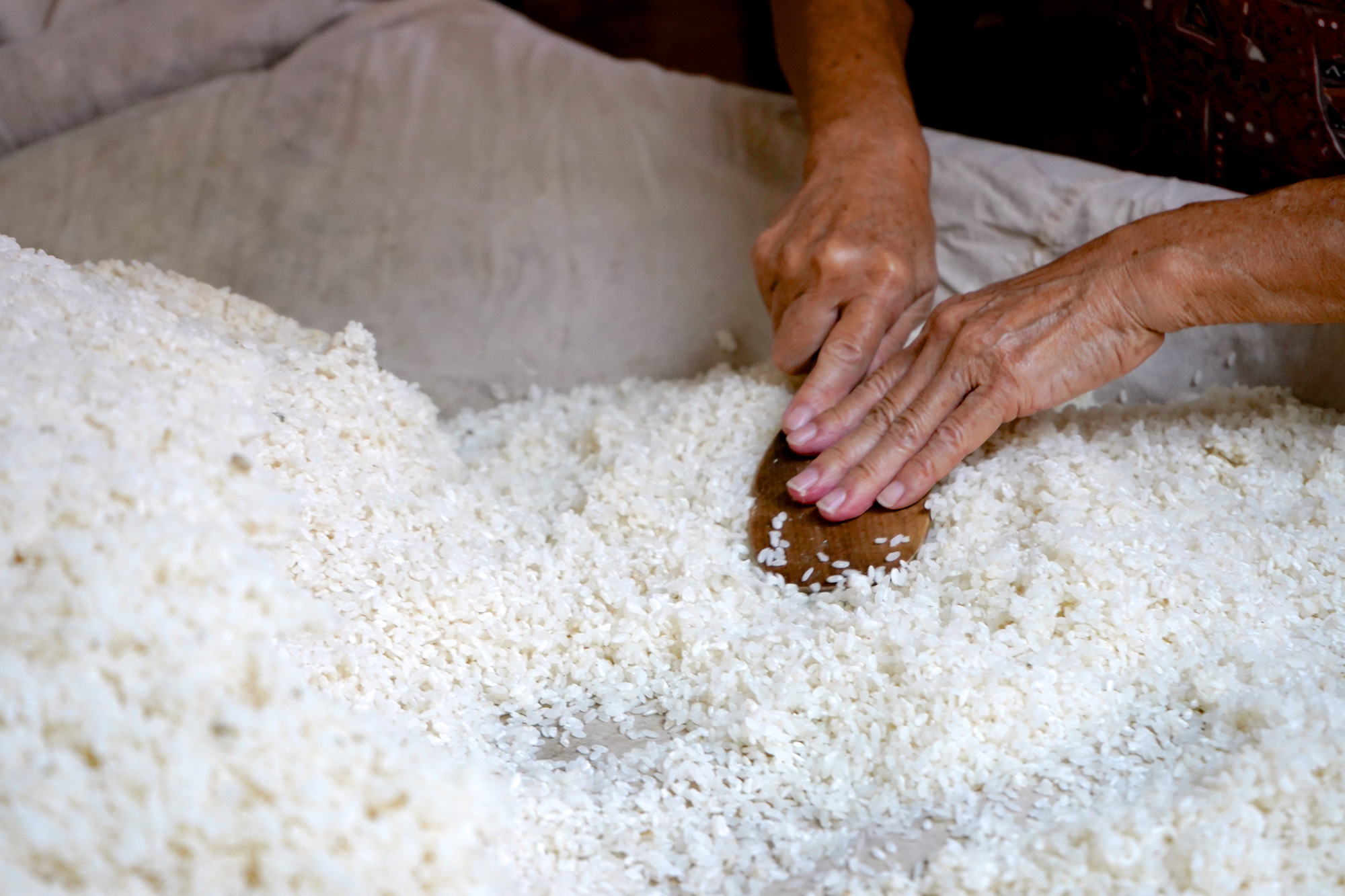
Steamed rice is mixed with koji mold and left to ferment overnight while controlling the temperature. After that, the rice is spread out on a table, and a mound is made to allow the koji mold to firmly take root in the rice, and it is left to rest for about a day.
At this stage, thoroughly loosening the rice to prevent clumps is key to making smooth and delicious miso. Afterwards, salt is mixed into the rice to "set the saltiness." (Otomari Foods uses "Ishigaki Island salt.")
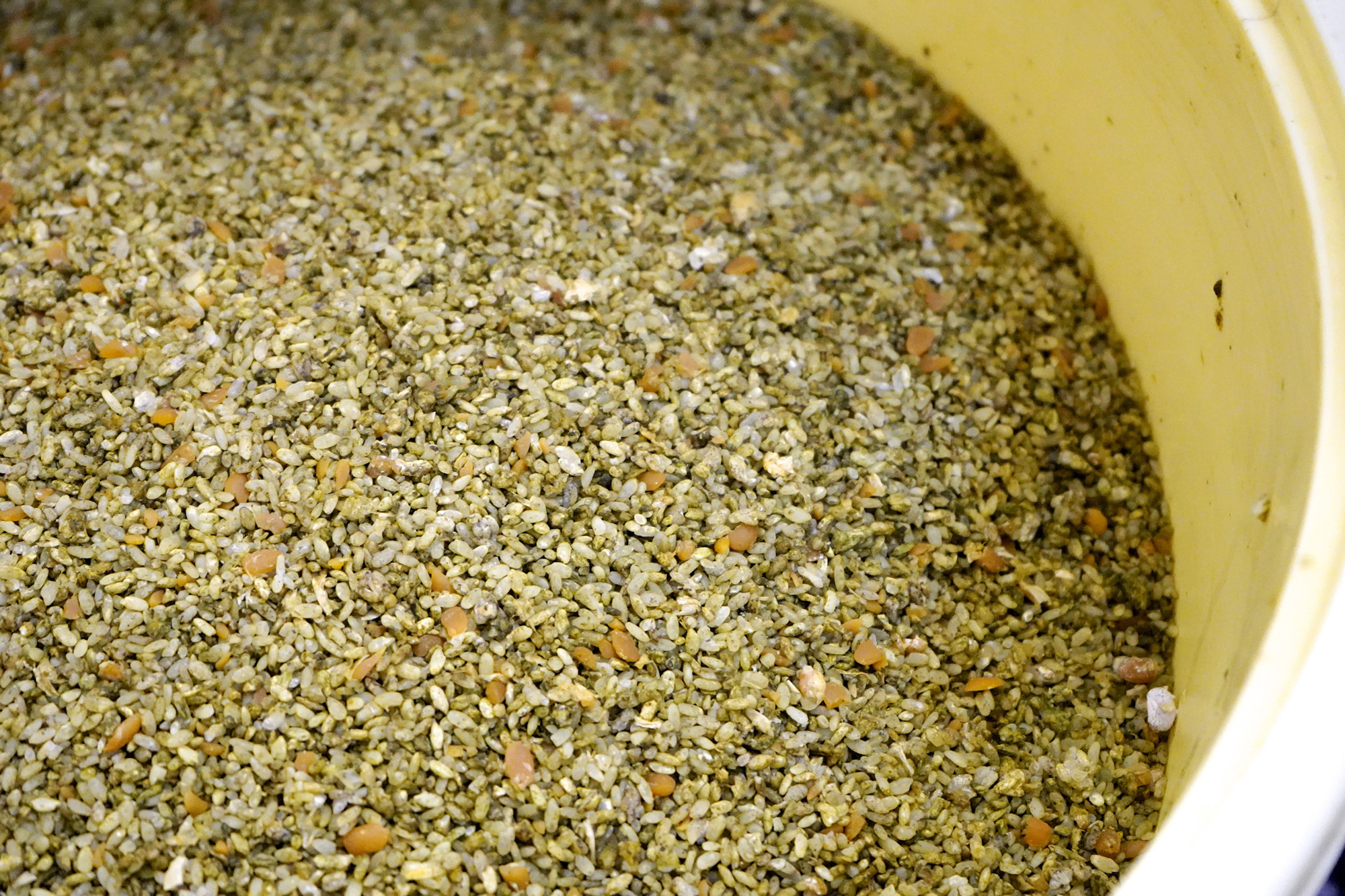
Miso is made by combining minced boiled soybeans with rice, placing the mixture in a barrel, and letting it mature.
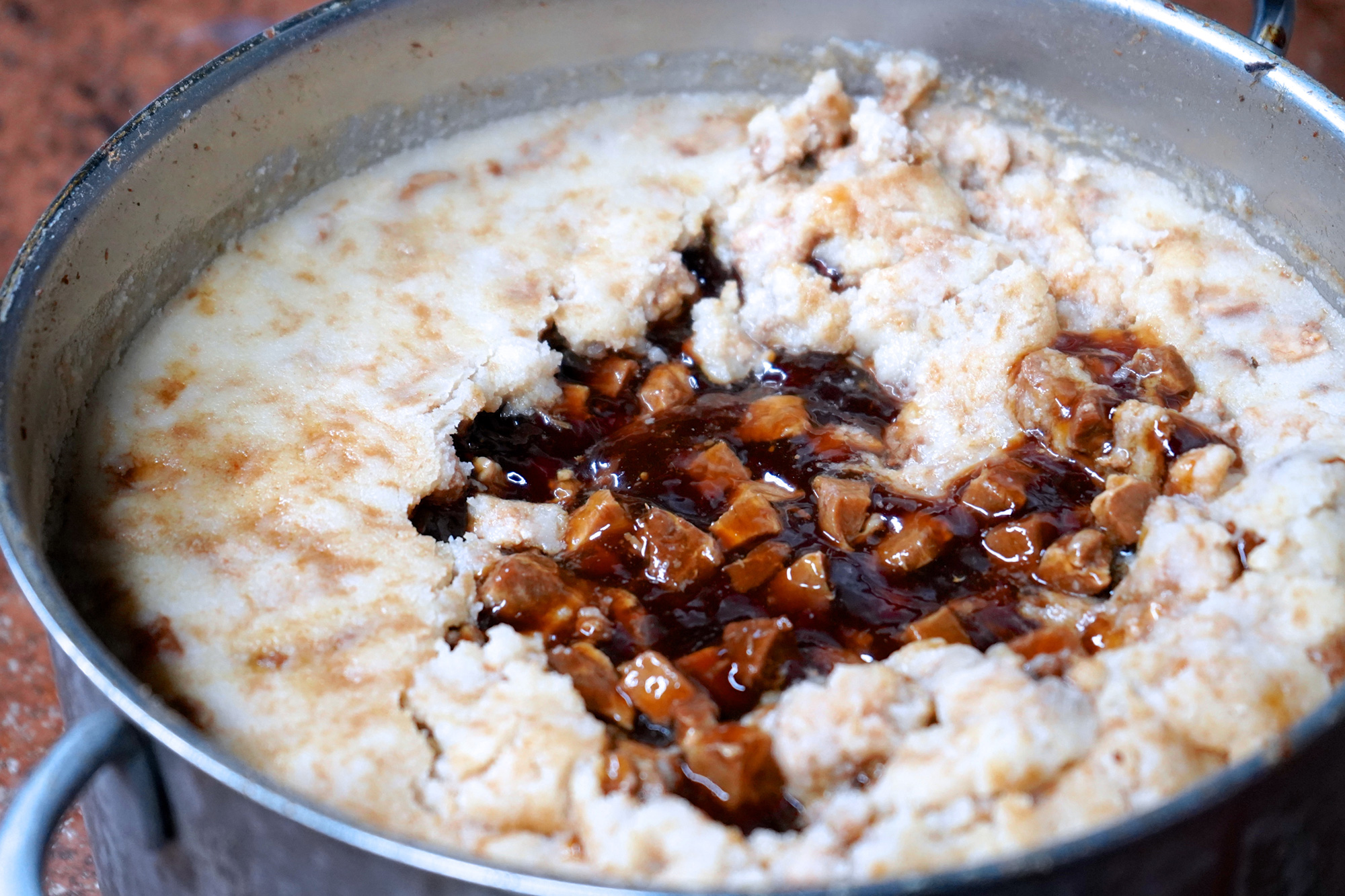
Pork cut into small cubes and seasoned. The white chunks are pork fat.
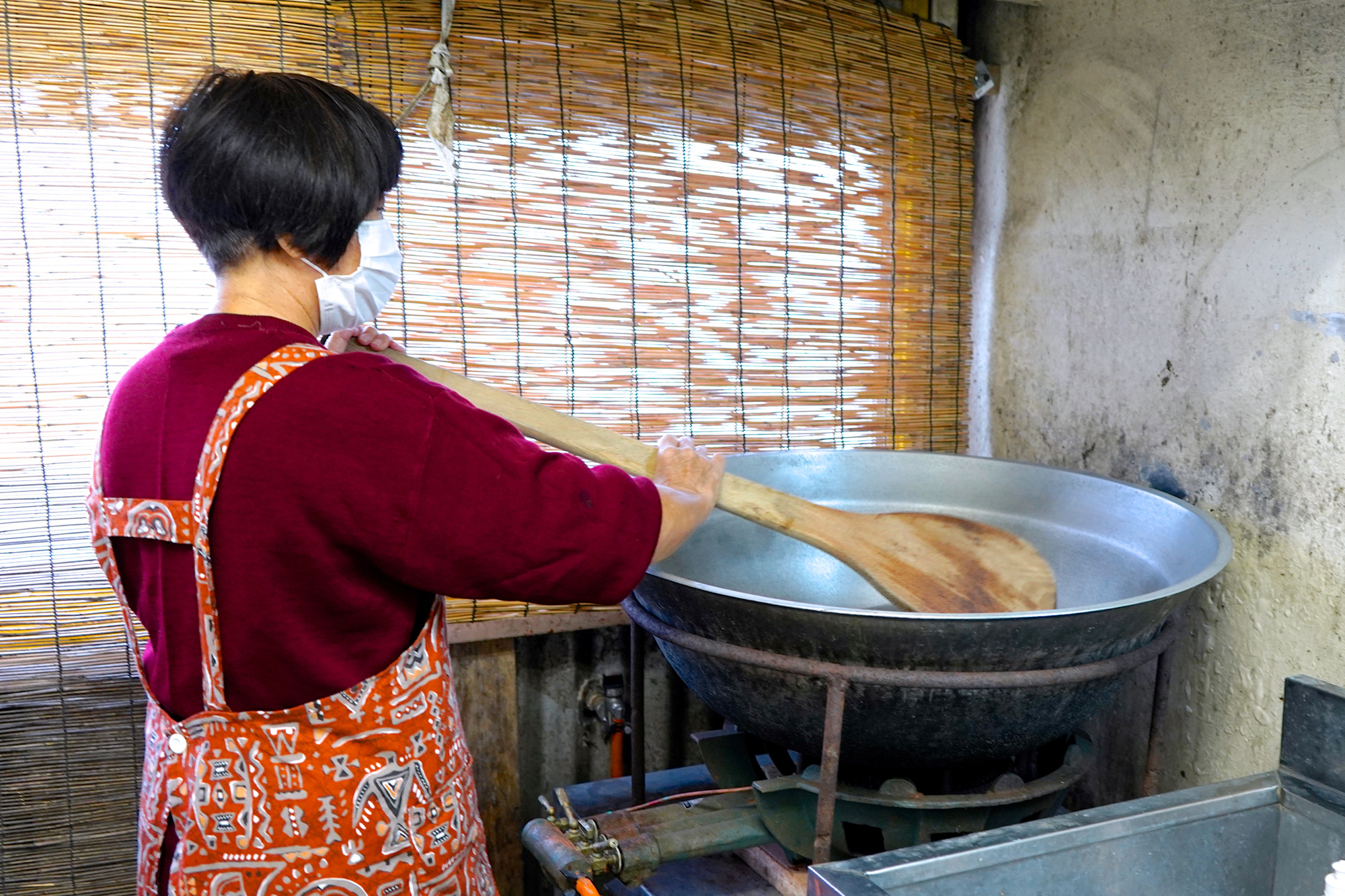
Using this Shinmei pot, you can mix ingredients such as pork and fat with seasonings and simmer them with miso to create "abura miso."
A perfect accompaniment to rice balls
There are many varieties of "abura miso," ranging from simple, traditional versions to those made with various ingredients such as ginger, island chili peppers, pipachi (island pepper), longevity grass and pineapple, and Ishigaki Island-produced moromi pork.
Future goals
"I want to develop new products that combine island ingredients with rice miso. My mother has also been making undermish by combining island ingredients such as 'Shima-kusu' (island chili peppers), 'Chomeiso & pineapple,' 'Chlorella & honey,' and 'fish (bonito)' with miso. In the future, I would like to use multi-grain rice miso as well."
profile
Reiko Miyara
Born and raised on Ishigaki Island in 1948.
I helped make mochi (rice cakes) from a young age (at the former Otomari Mochi Shop). I moved to Naha to attend high school and university.
She returned to her hometown and worked as a teacher. While raising five children, she helped out at her family's mochi shop.
Following the death of her father, she and her mother started manufacturing and selling the local specialty "Anma no Andamishu" as "Otomari Foods," and have continued to do so to this day.