Oritoori - Ishigaki City Official Tourism Information Website
Photo: Koji Nakanishi Text: Masumi Sasamoto
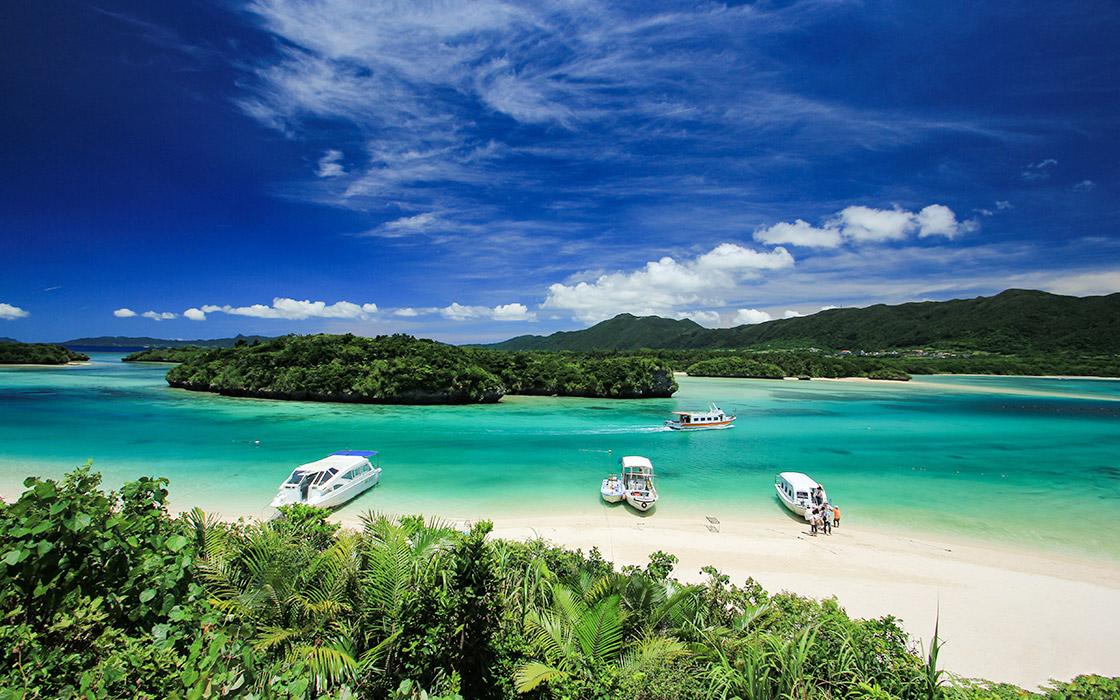
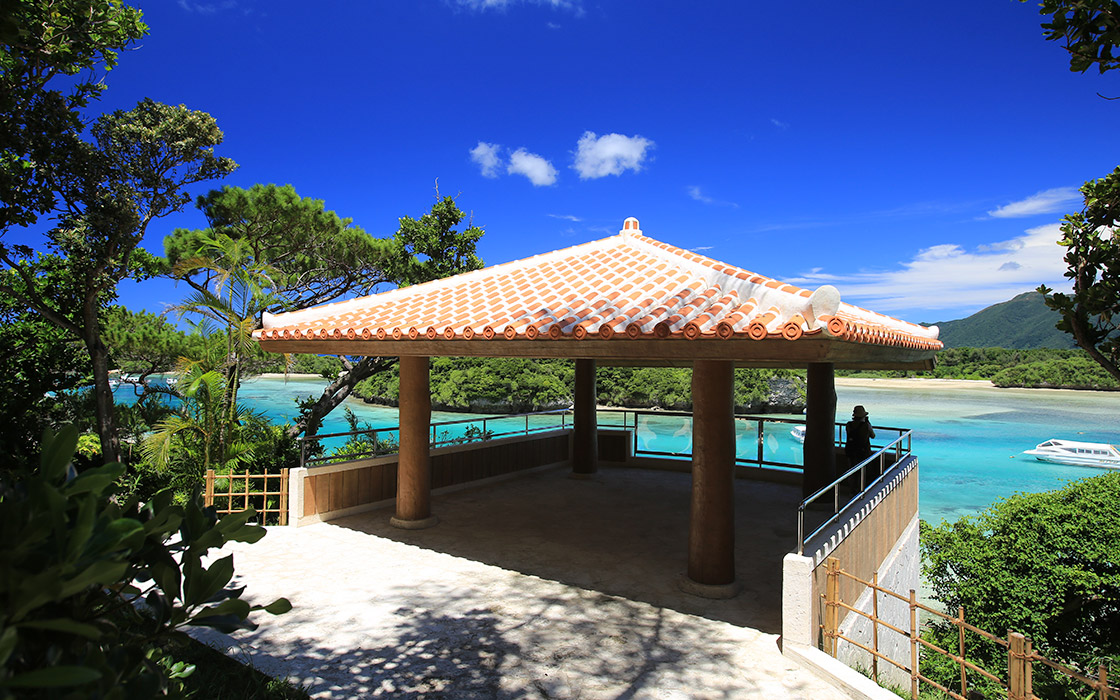
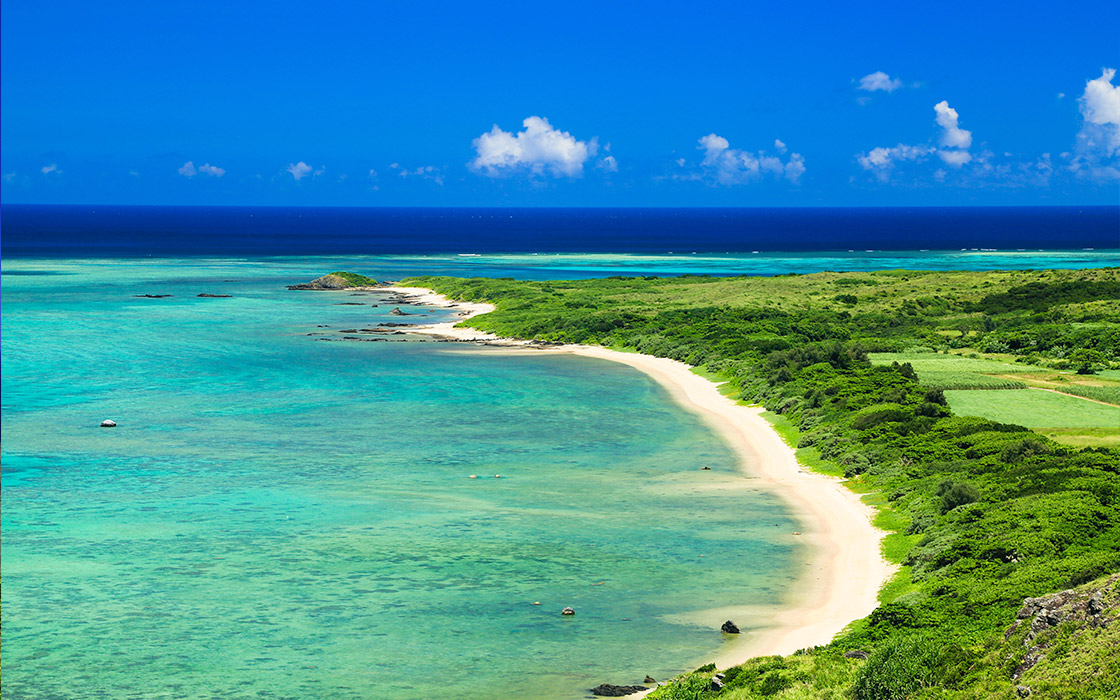
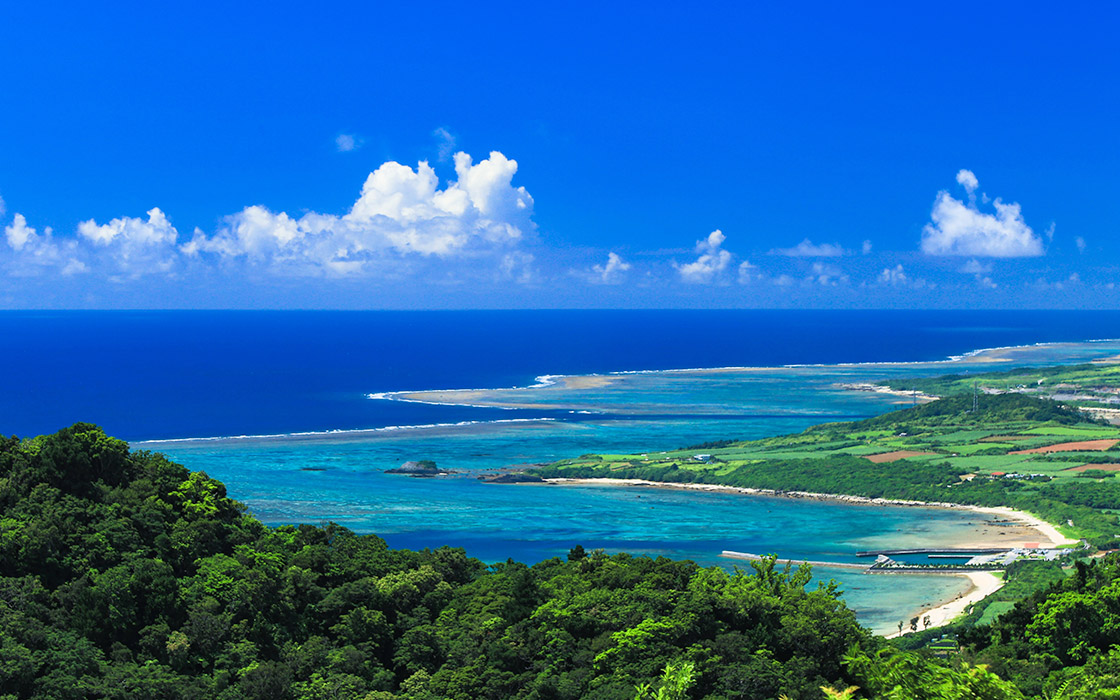
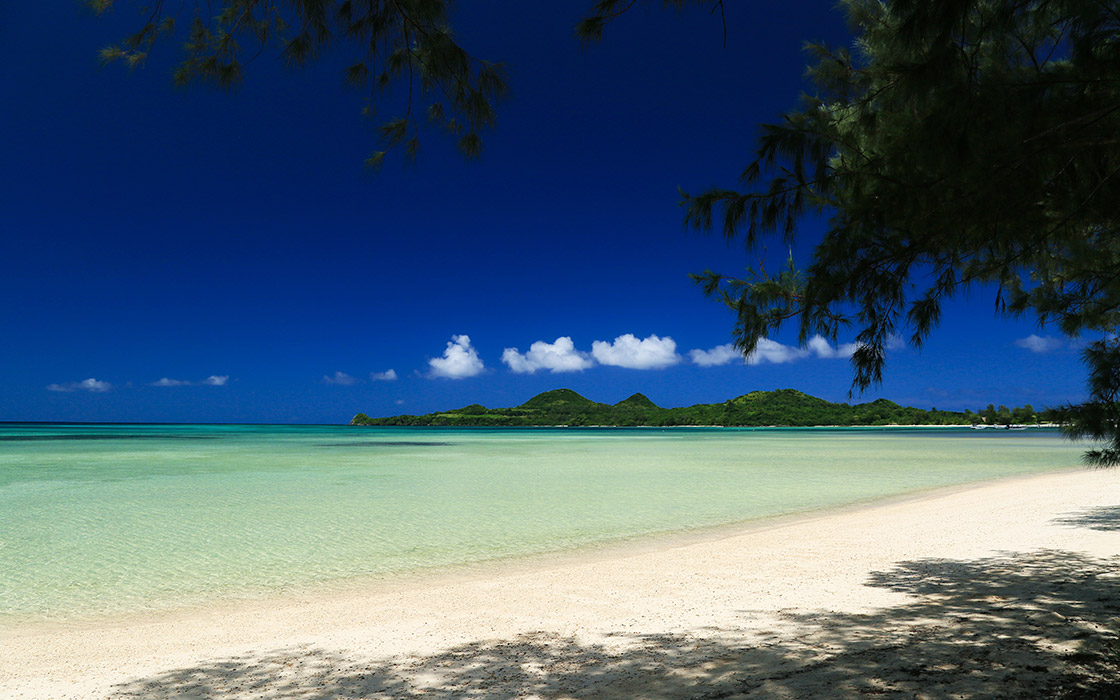
Kabira Park, offering views of Ishigaki Island's most iconic scenery.
Kabira Park, home to Kabira Bay, offers breathtaking views of the sea from its observation deck, a dazzling emerald green. Glass-bottom boat tours are also available, allowing visitors to see numerous tropical fish and colorful coral reefs. If you're lucky, you might even spot a sea turtle. For the most stunning views of the deep blue ocean, daylight hours are recommended. Swimming is dangerous due to strong currents.
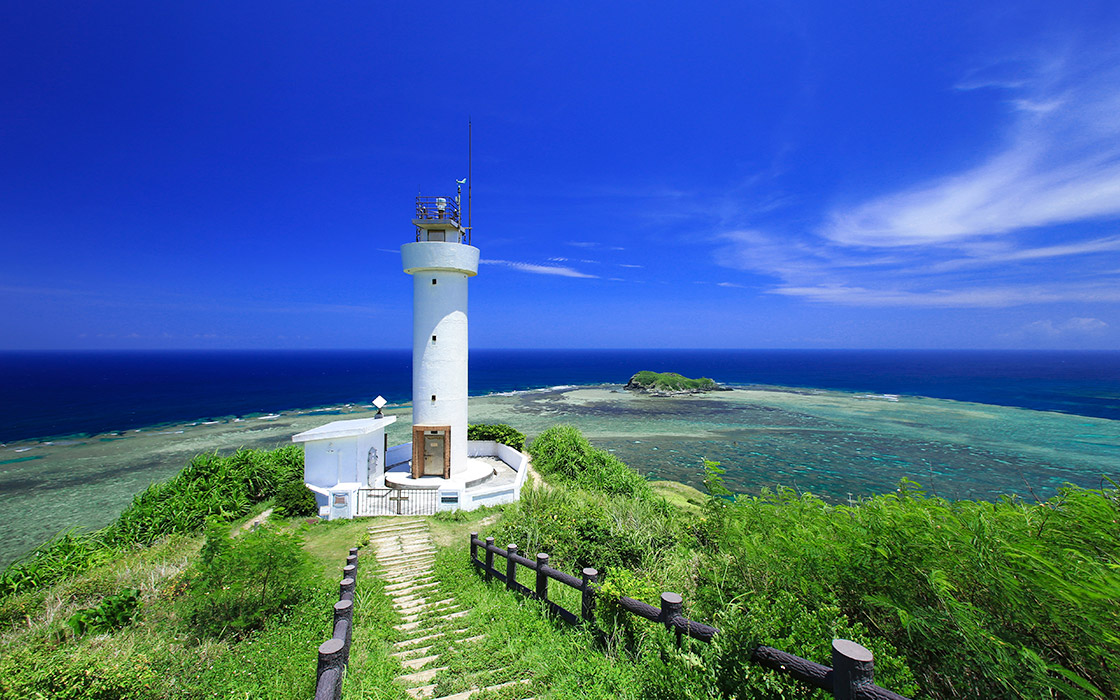
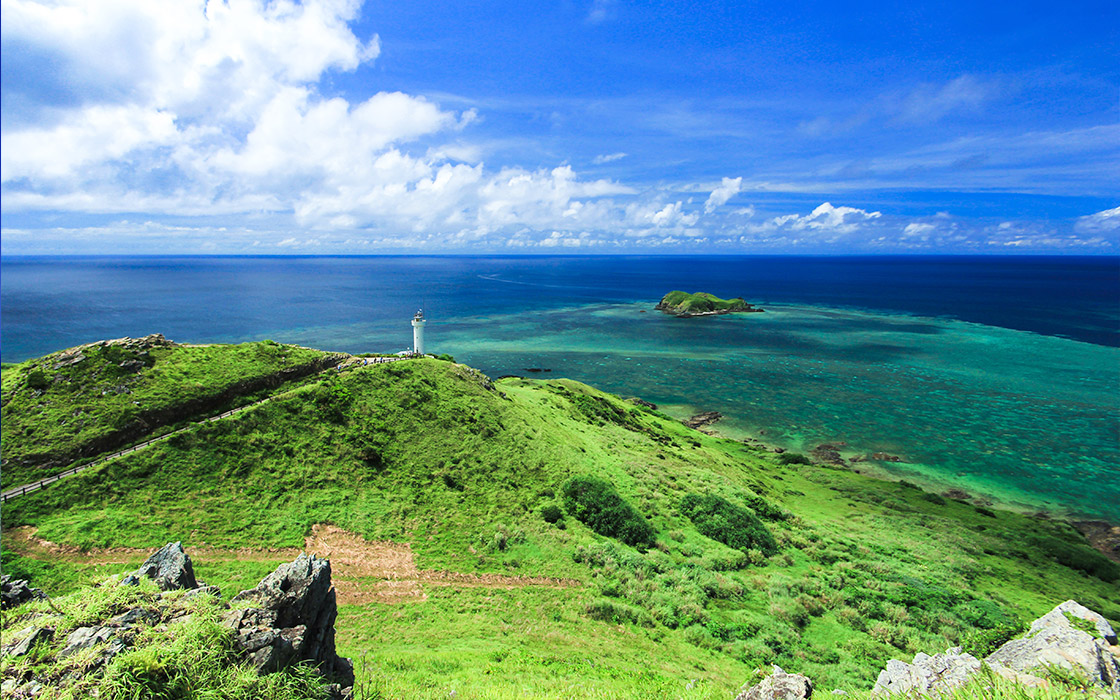
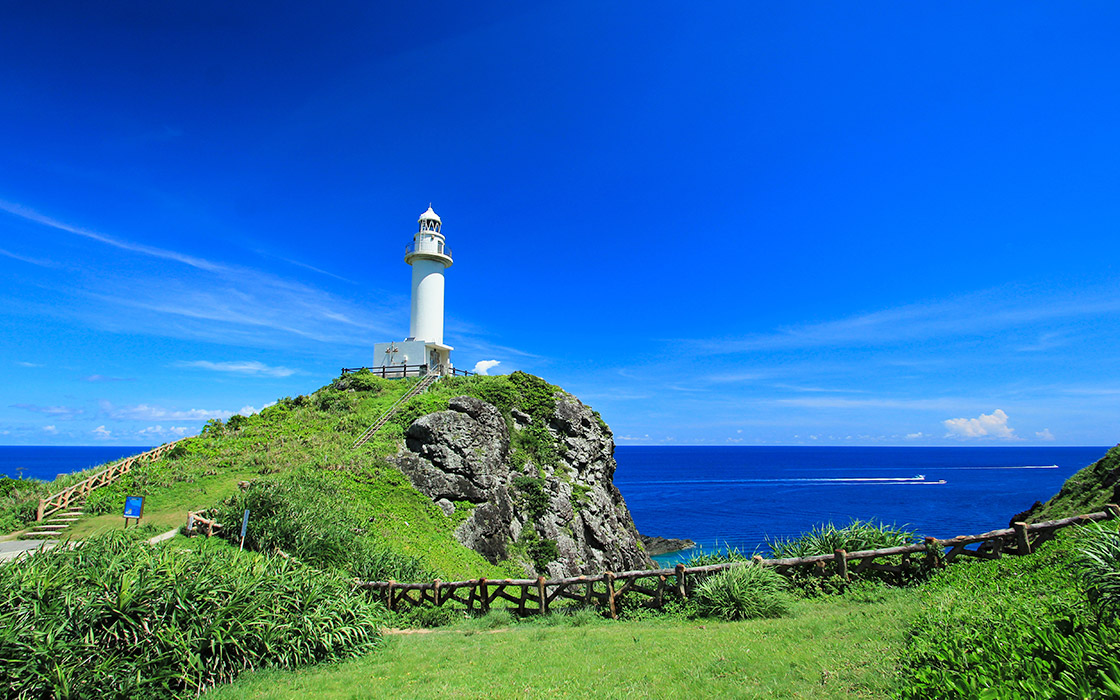
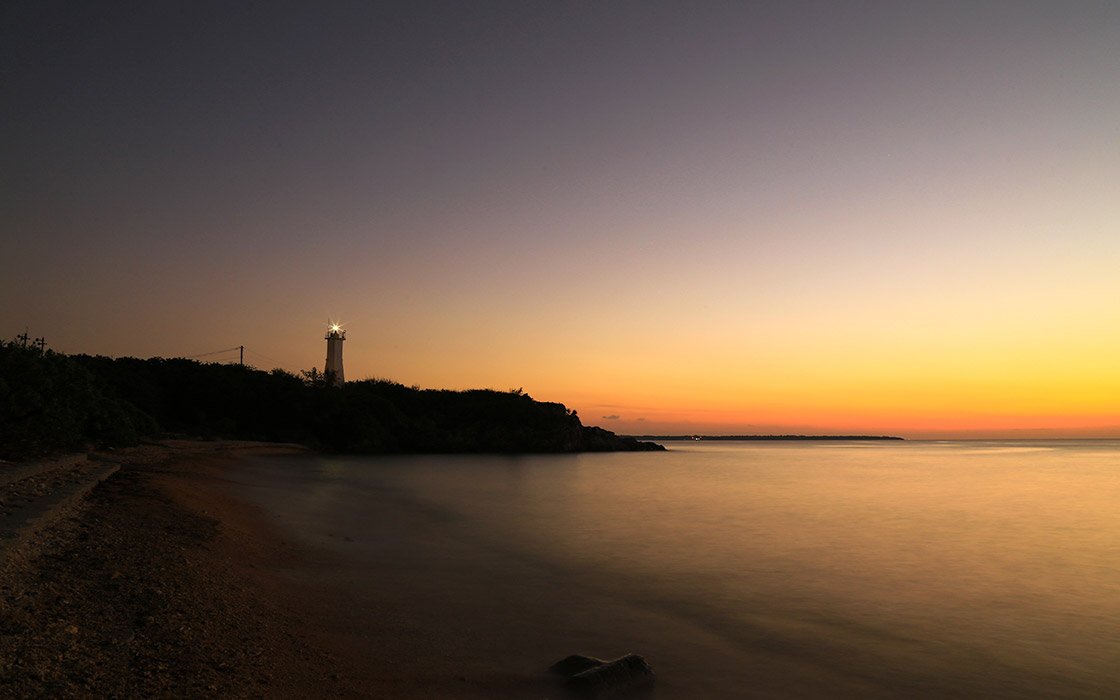
The refreshing view from Hirakubo Cape Lighthouse, the northernmost point of Ishigaki Island.
From Hirakubozaki Lighthouse, located at the northernmost tip of the island, you can enjoy a refreshing 360-degree view and a beautiful gradient of ocean colors. It's so pleasant to just relax and gaze at the open horizon. The Japan Romantic Association and the Nippon Foundation have designated it a "Lighthouse of Love," a sacred place for romance. It's about an 80-minute drive from Ishigaki city center.
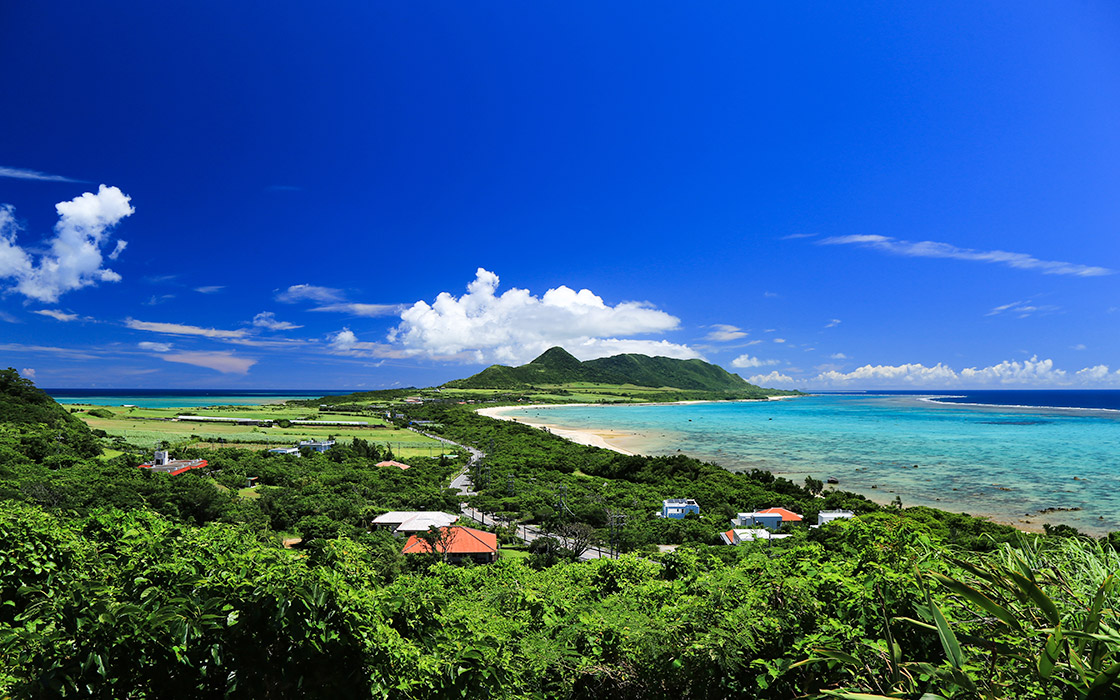
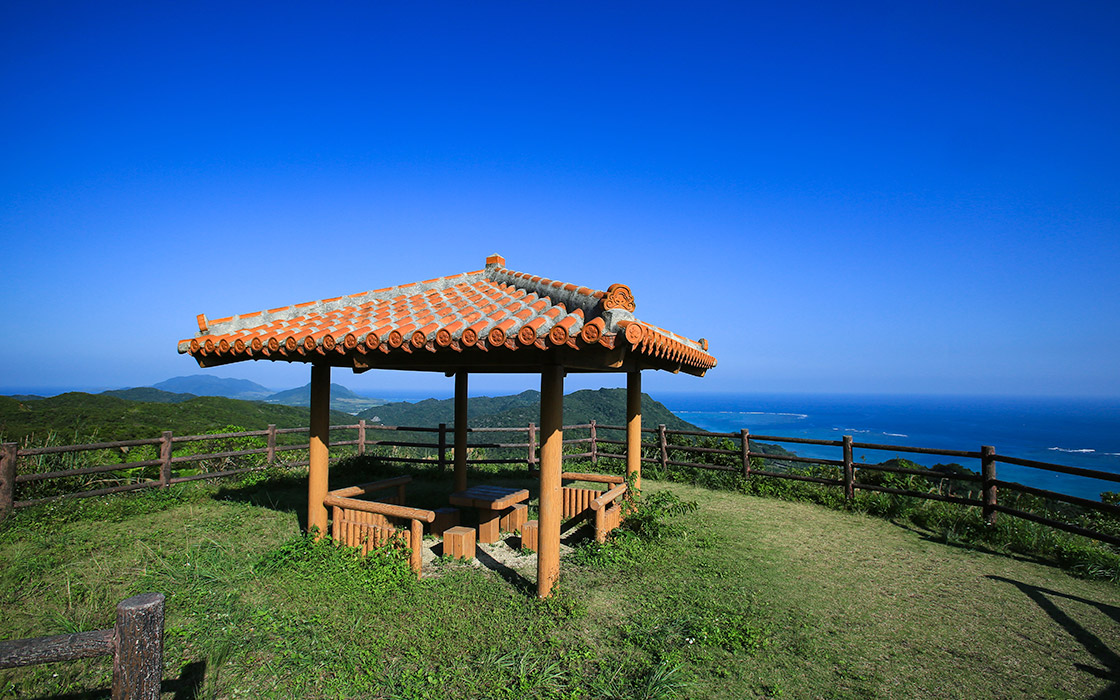
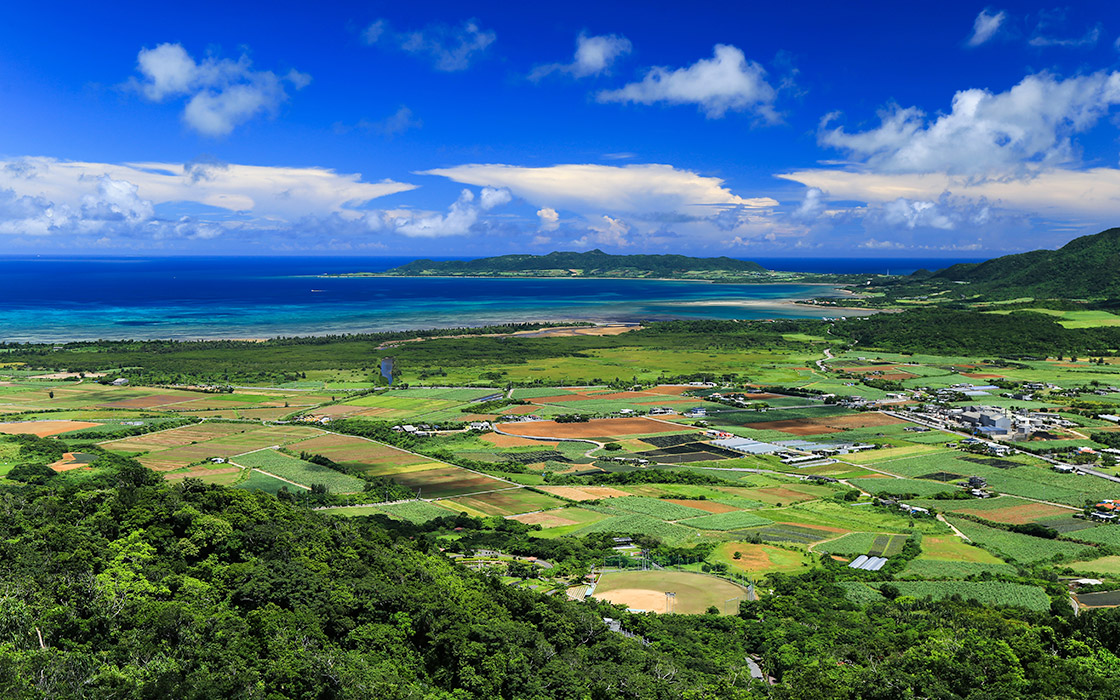
Tamatorizaki Observatory offers panoramic views of the natural landscape of northern Ishigaki Island.
Located north of Ishigaki Airport, Tamatorizaki Observatory offers stunning views of both the Pacific Ocean and the East China Sea. It provides a panoramic view of the island's long, narrow northern region and is a recommended spot for enjoying lush, tranquil nature. The park is filled with colorful hibiscus flowers.
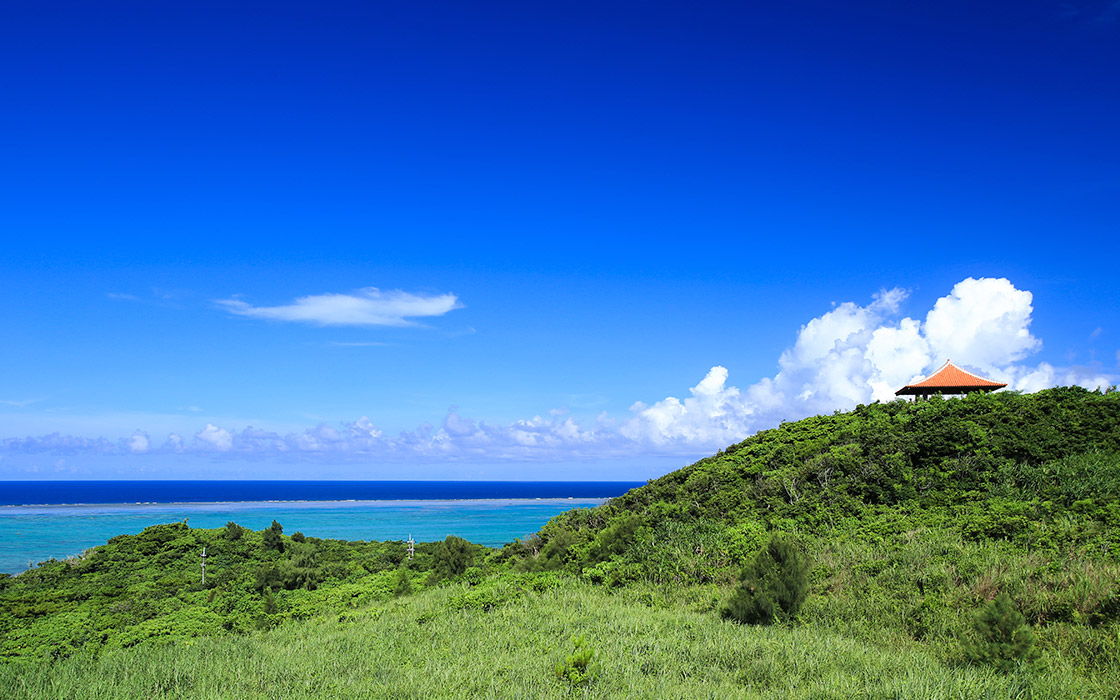
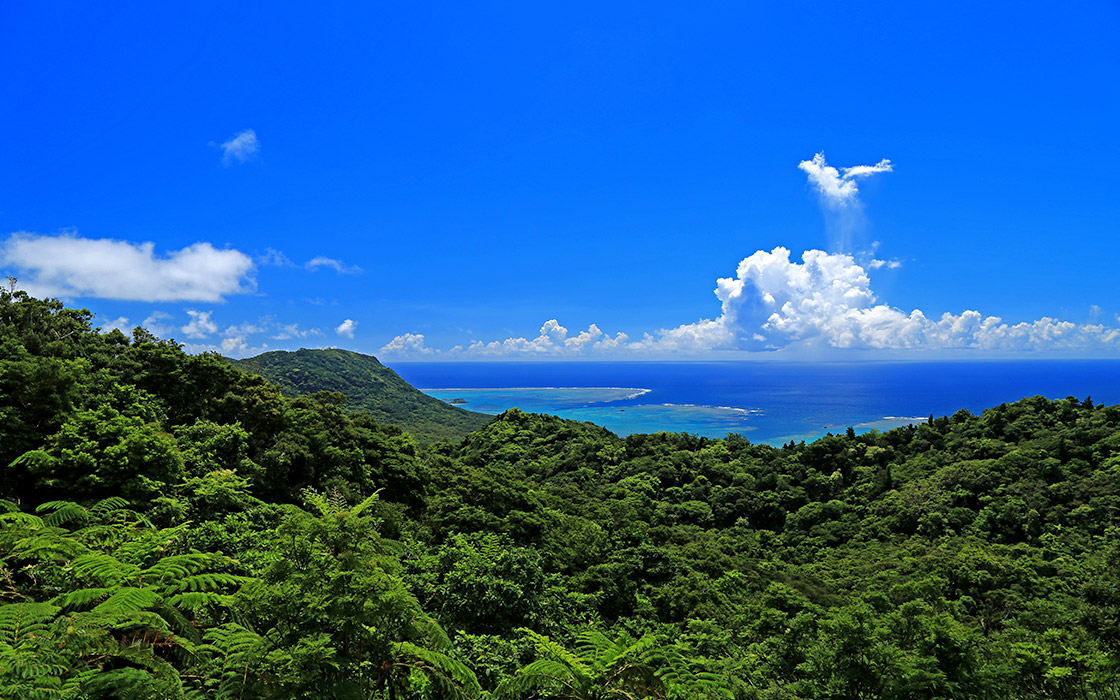
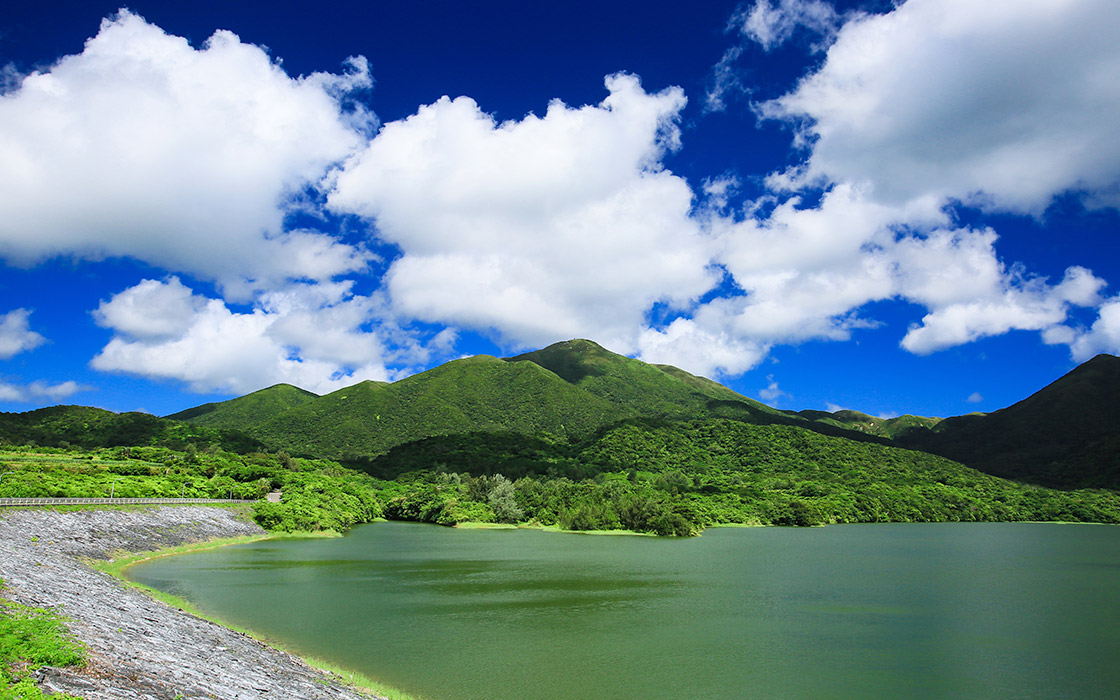
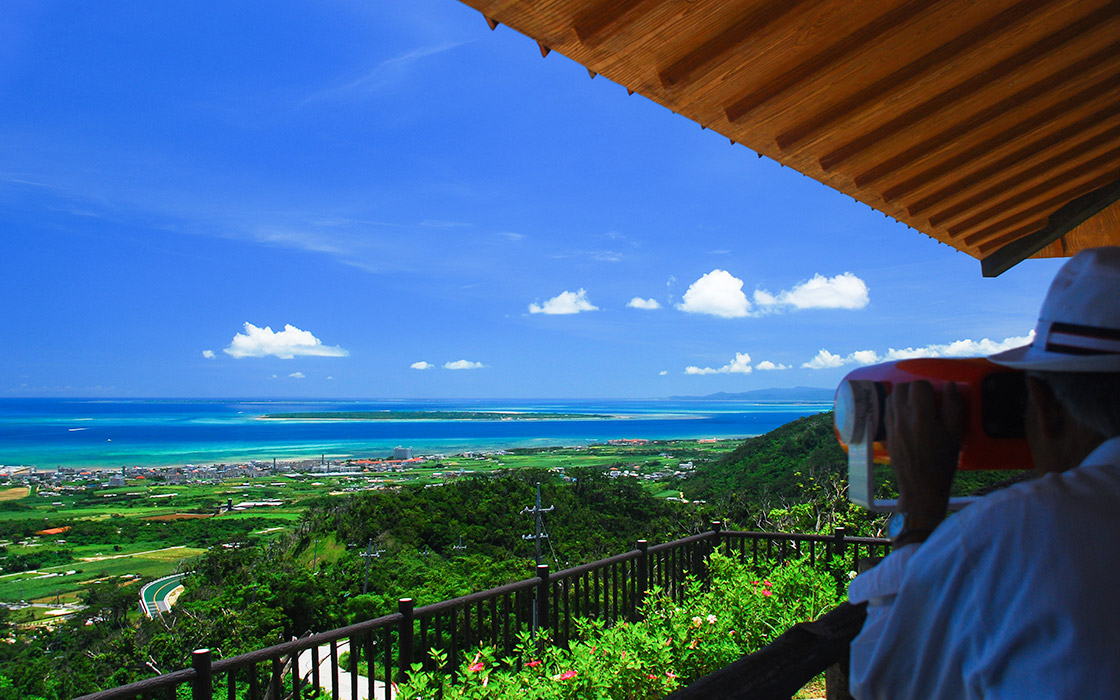
Nosoko Observatory is located in the northern part of the island, along the Nosoko-dake Forest Road.
Nosoko-dake, known as Nosoko-Marpe by the islanders and a popular hiking spot, stands at an elevation of 282 meters. From the Nosoko Observatory, located along the forest road leading up to Nosoko-dake, you can enjoy a beautiful view of the east coast sea. To the left, you can see Oura Dam, one of the five dams on Ishigaki Island. It's a great place to stop and rest on your way back from hiking.
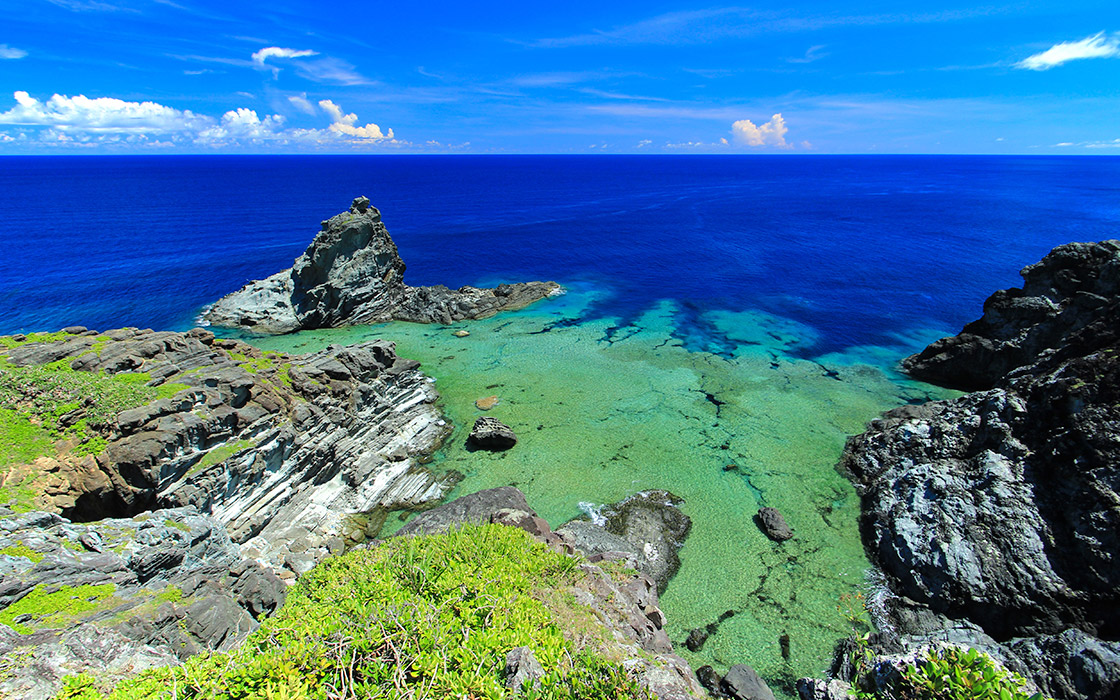
The deep blue of the cliffs at Ogamizaki Lighthouse is beautiful.
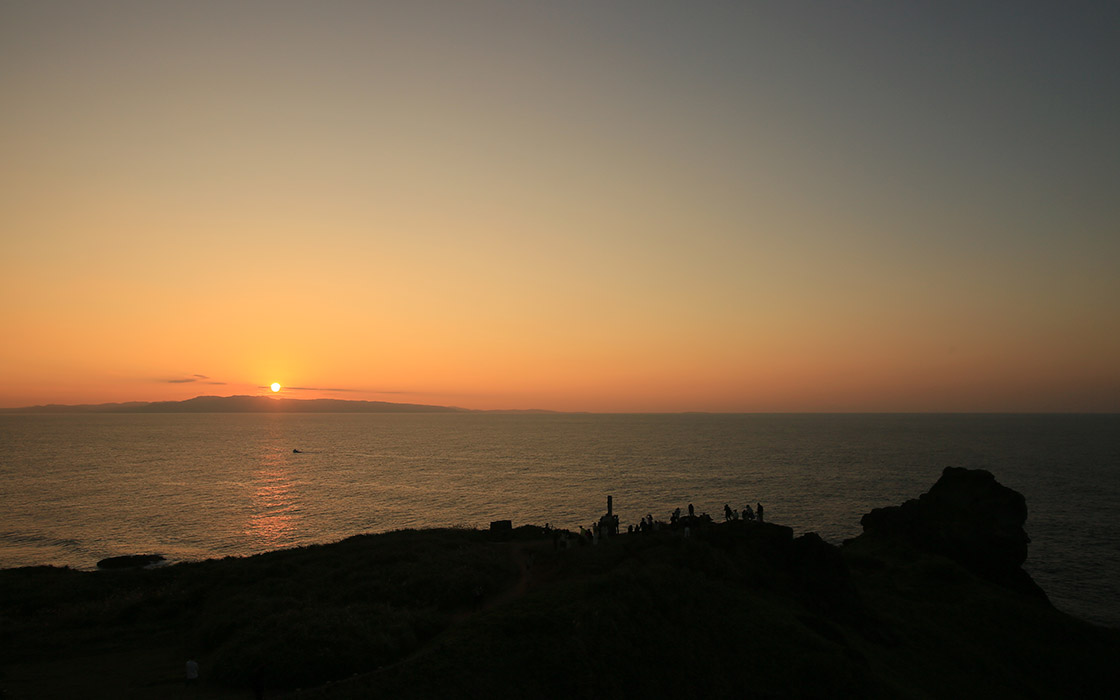
The Oganzaki (or Uganzaki) Lighthouse is located at the tip of the Sakieda Peninsula. Situated on a high cliff, the view of the sea from there is a breathtakingly deep blue. In the distance lies the large island of Iriomote. Located on the western side of the island, it is a popular spot for people to watch the sunset. In spring, many trumpet lilies bloom, and their large, pure white flowers are a beautiful sight.
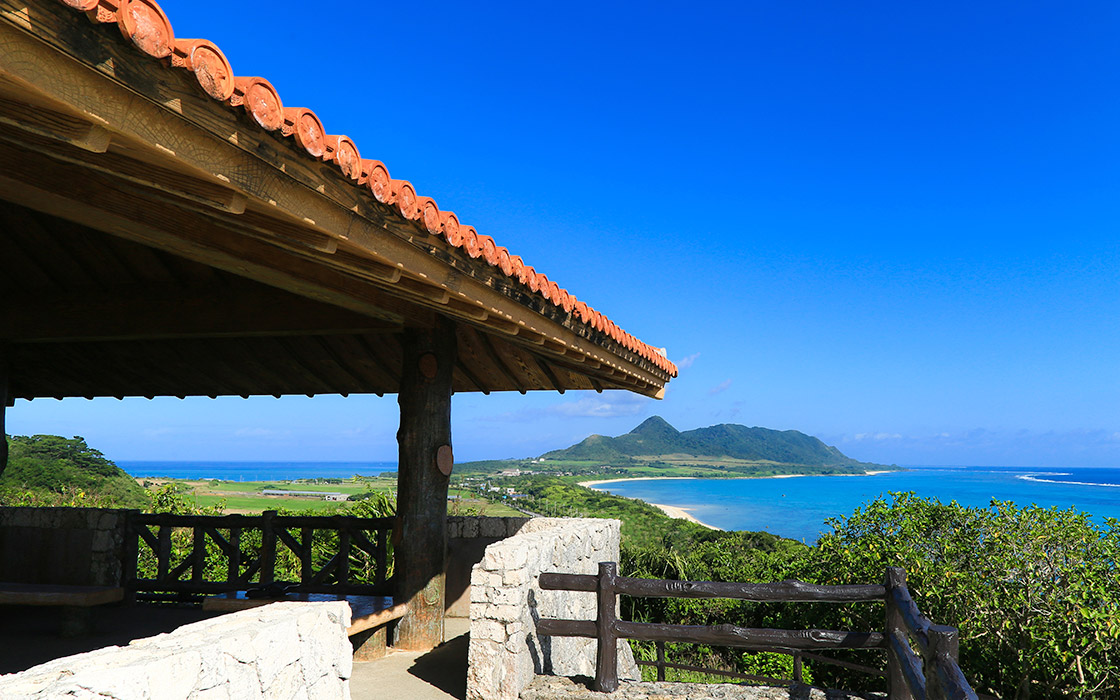
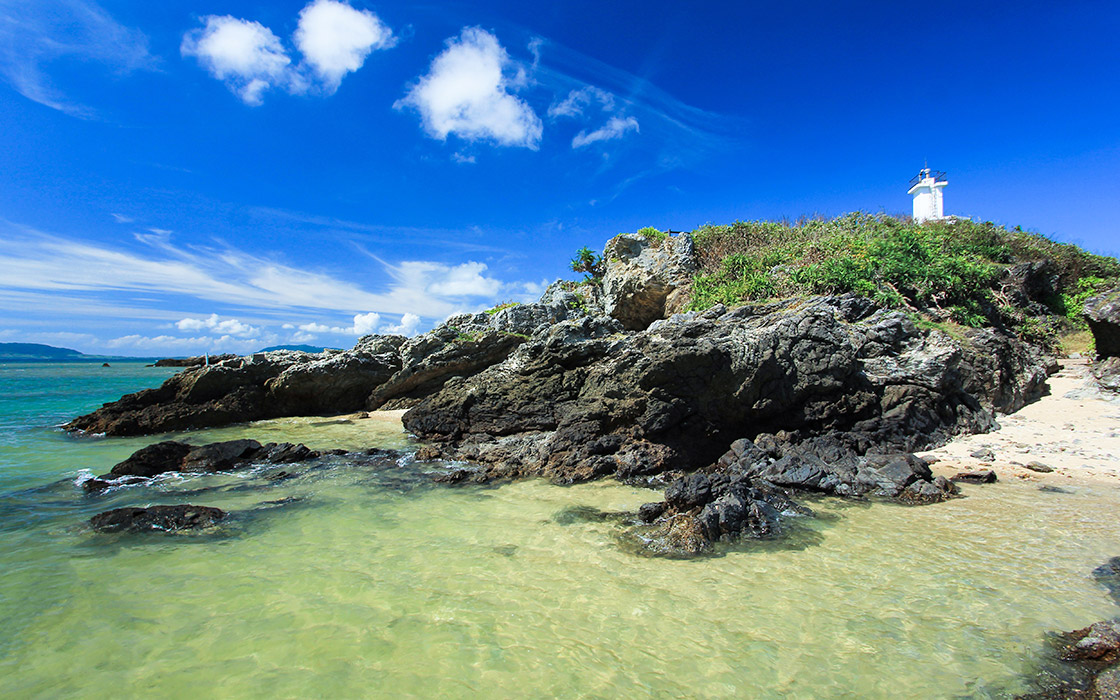
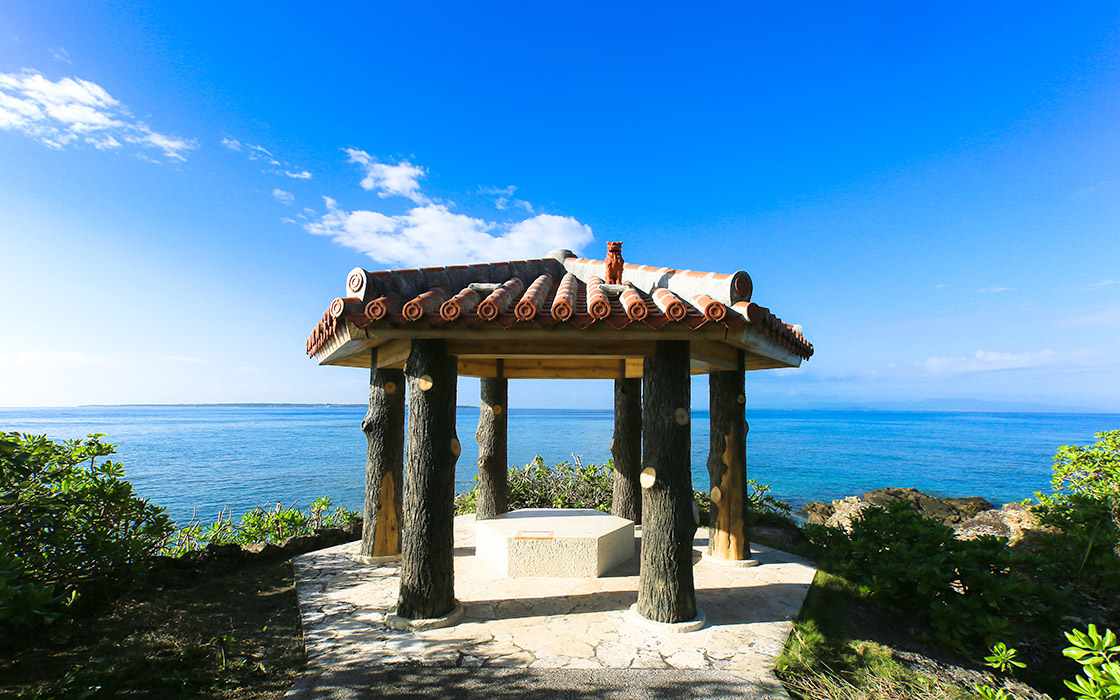
Kannonzaki Lighthouse, where you can enjoy a view of the calm sea near the town.
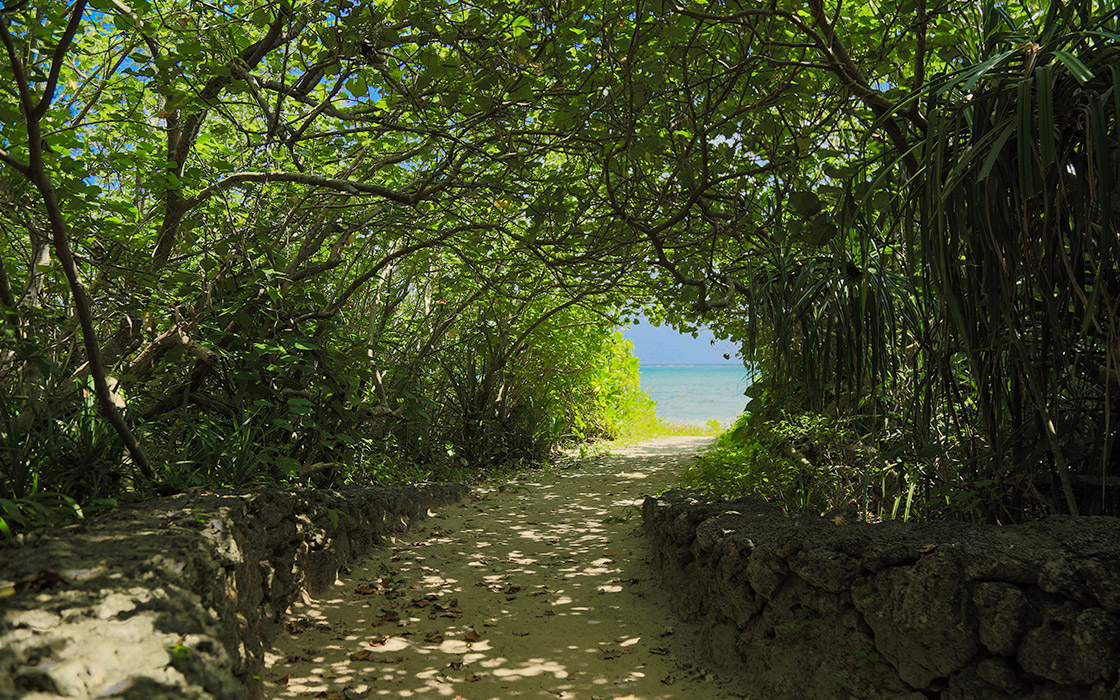
Kannonzaki Lighthouse is located near the city center of Ishigaki Island. It offers stunning views of the beautiful ocean and Taketomi Island. With a gazebo and tables in the plaza, it's a great place to relax. A small path leading down to the sea from below the gazebo forms a natural tunnel. It's also a recommended spot for watching the sunset.
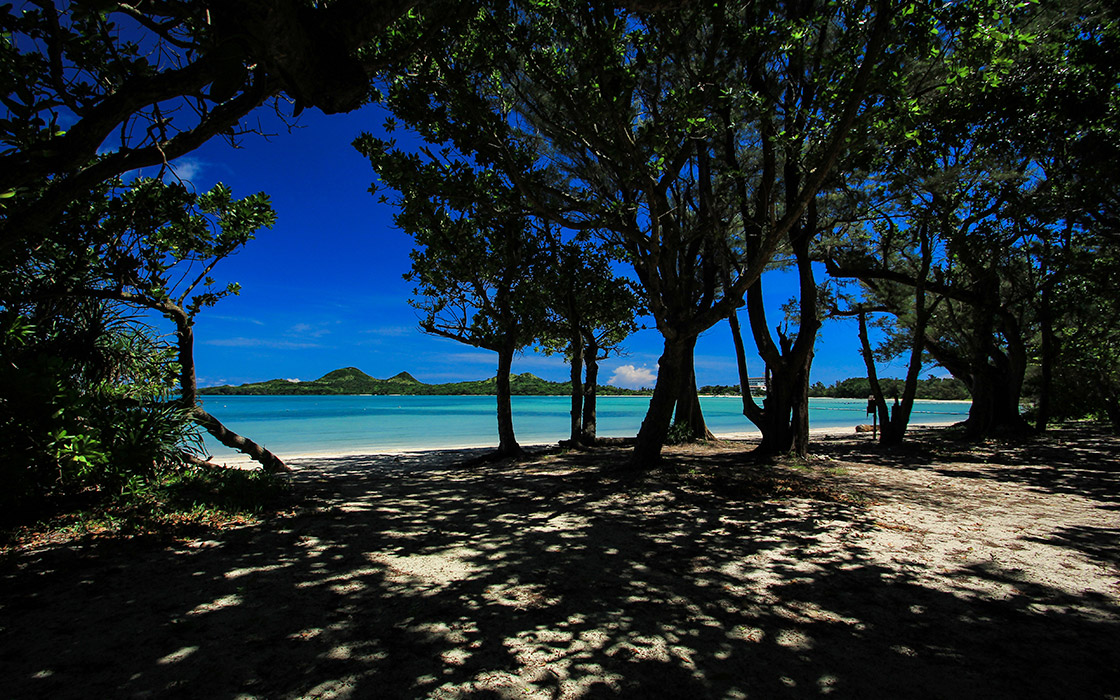
Relax on the shallow beach at Sukochi Beach
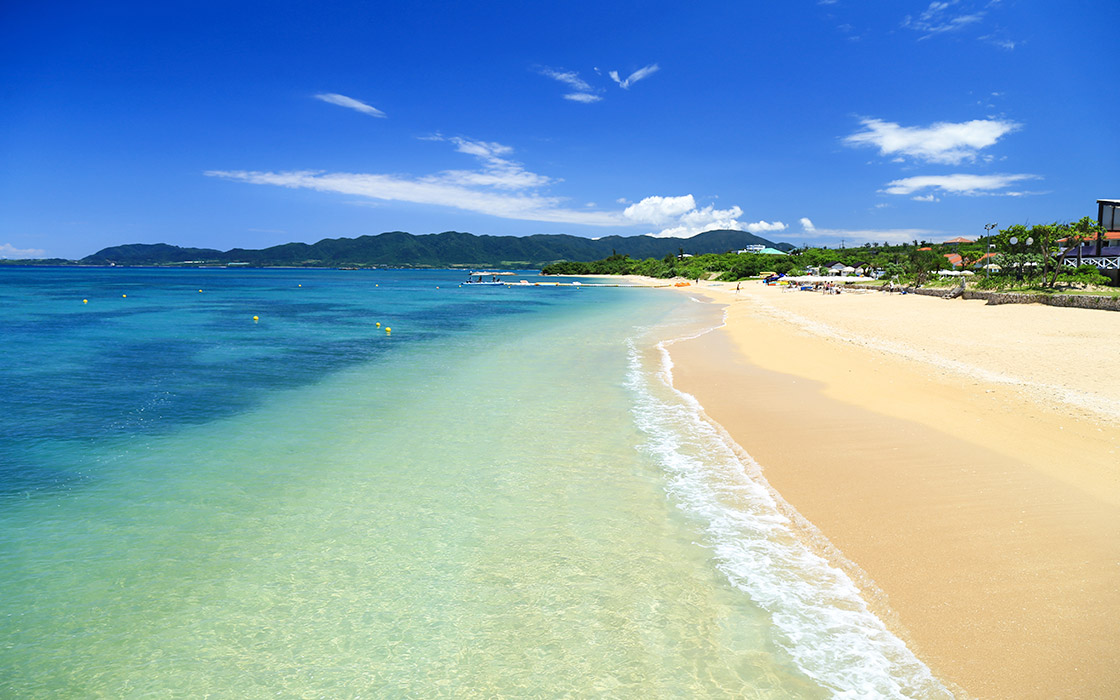
Sukuji Beach in the Kabira area is a popular beach among Ishigaki Island residents. It's shallow and ideal for children, and it has showers and toilets. During the summer, snorkeling sets are available for rent, and there are small shops, ramen stalls, and barbecue facilities. Jellyfish nets and lifeguards ensure a safe environment.
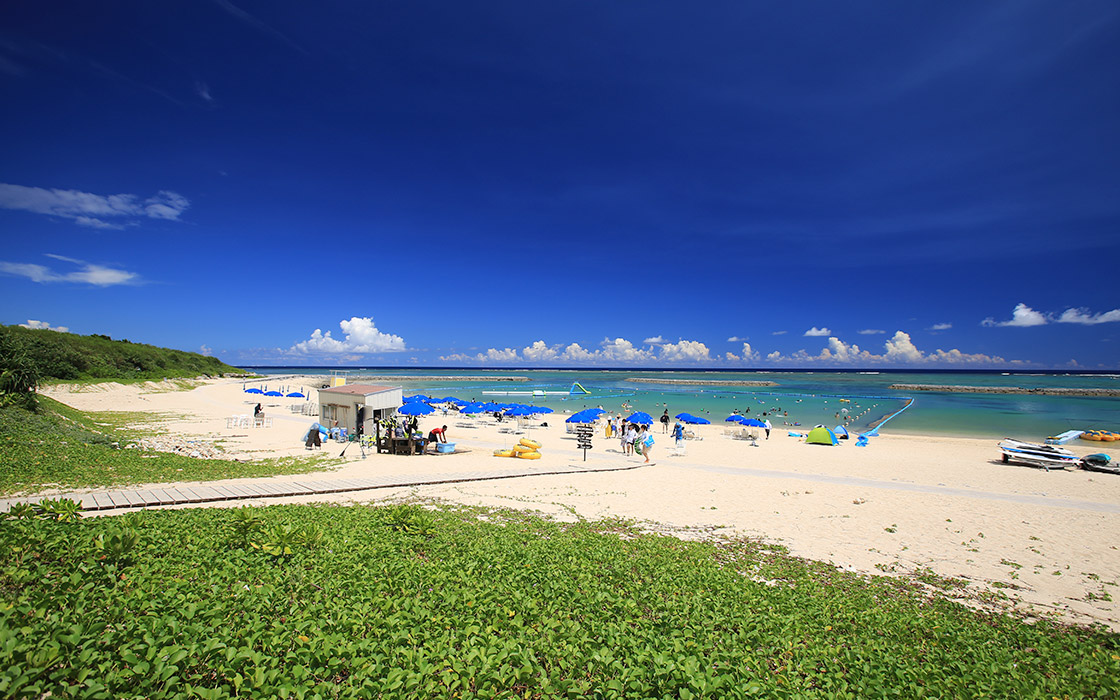
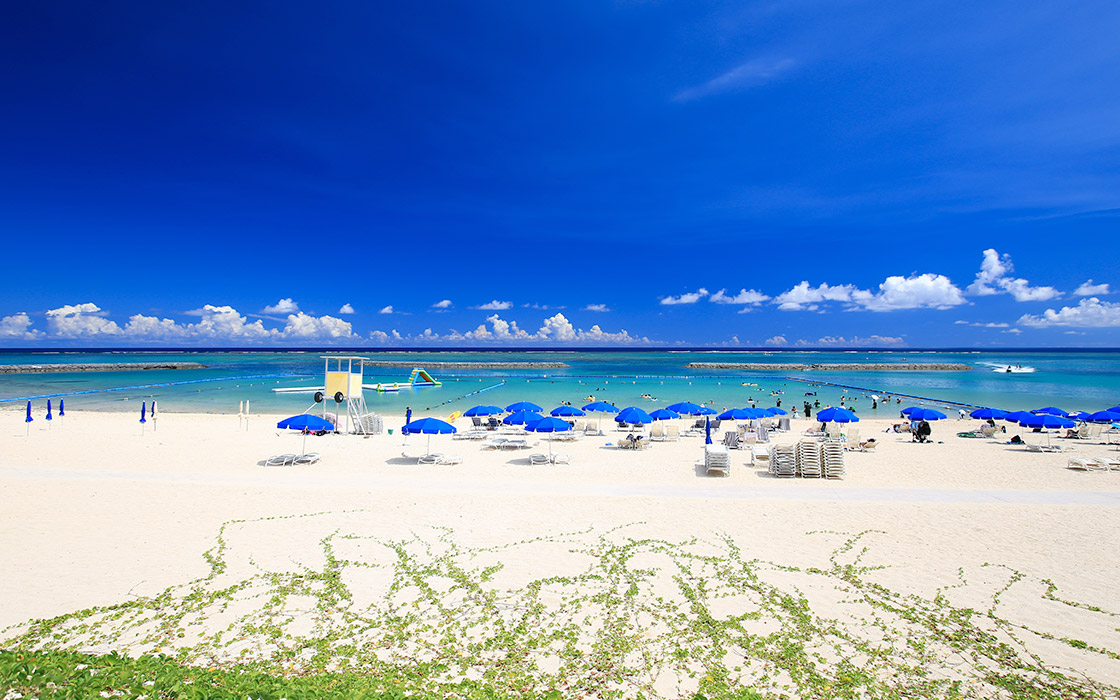
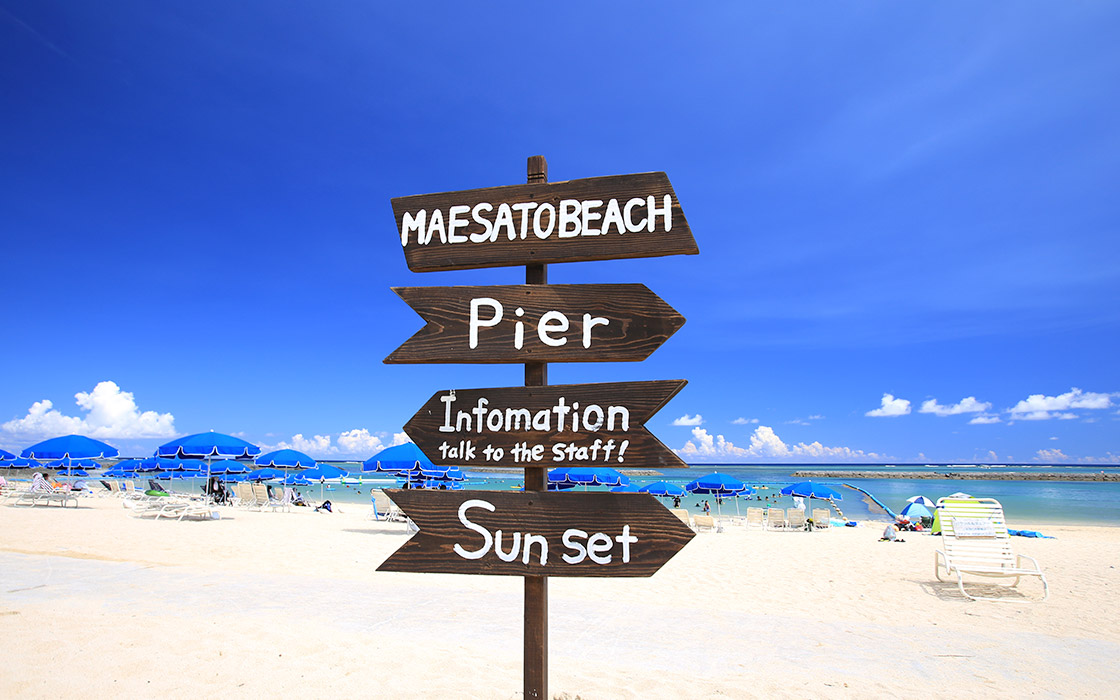
There are also children's playgrounds in the sea at Maesato Beach.
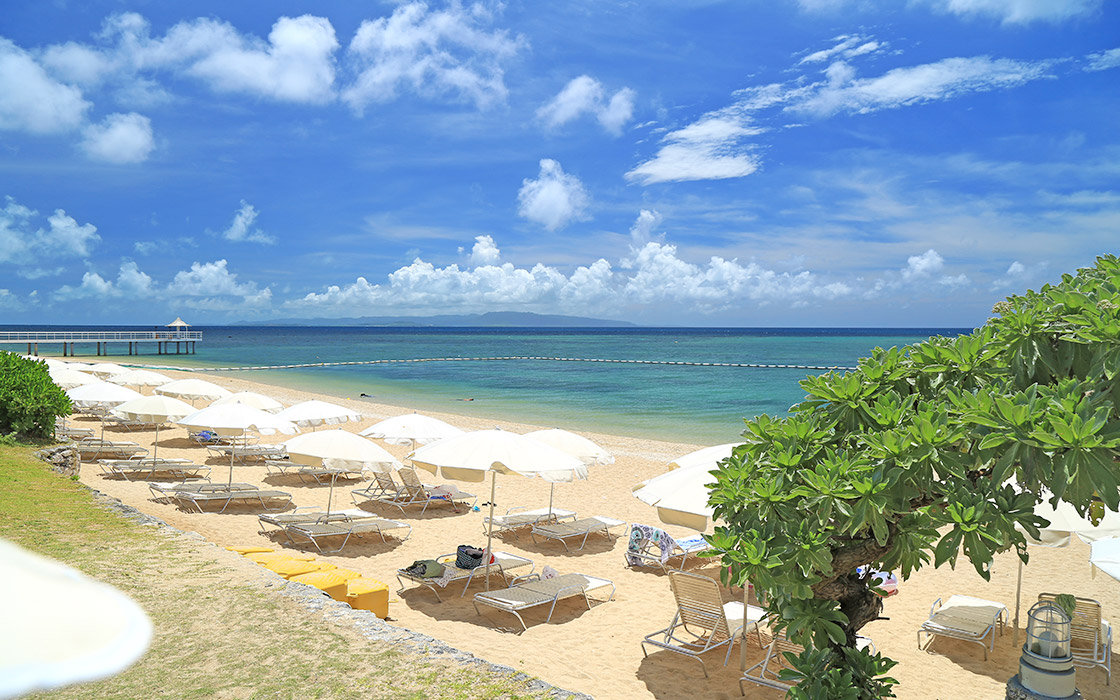
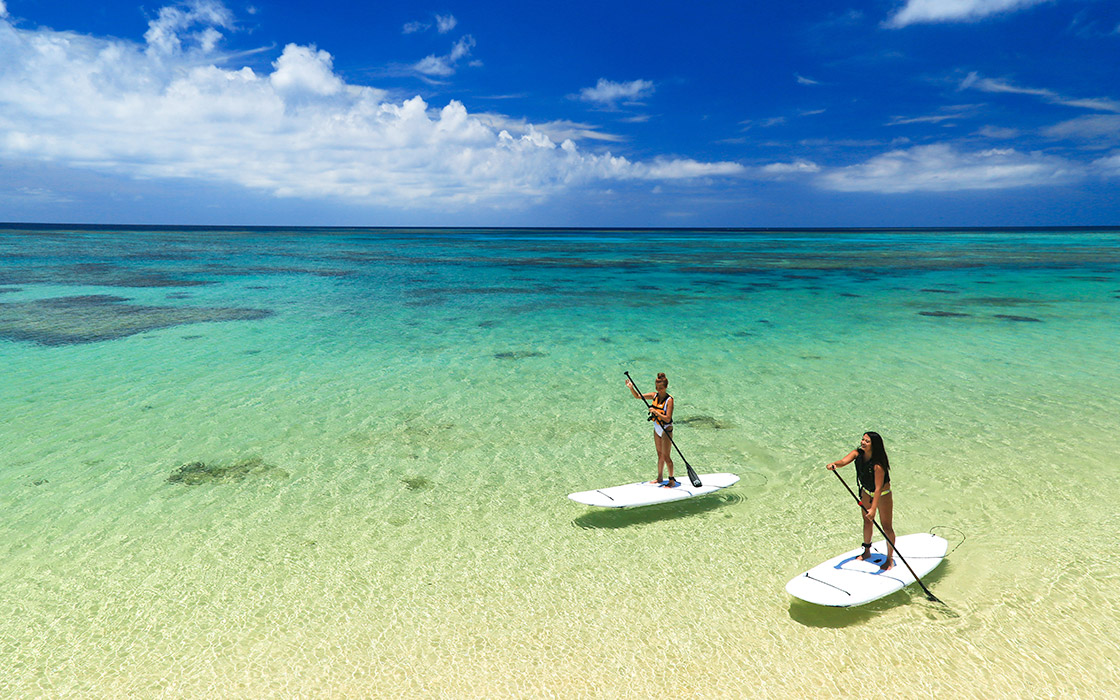
This beach is located within the ANA InterContinental Ishigaki Resort. Lifeguards are always on duty, and jellyfish nets are in place. There are children's playground equipment in the shallow waters, and various activities such as stand-up paddleboarding (SUP) are available. Parasols and deck chairs are provided for a relaxing getaway. Showers are also available.
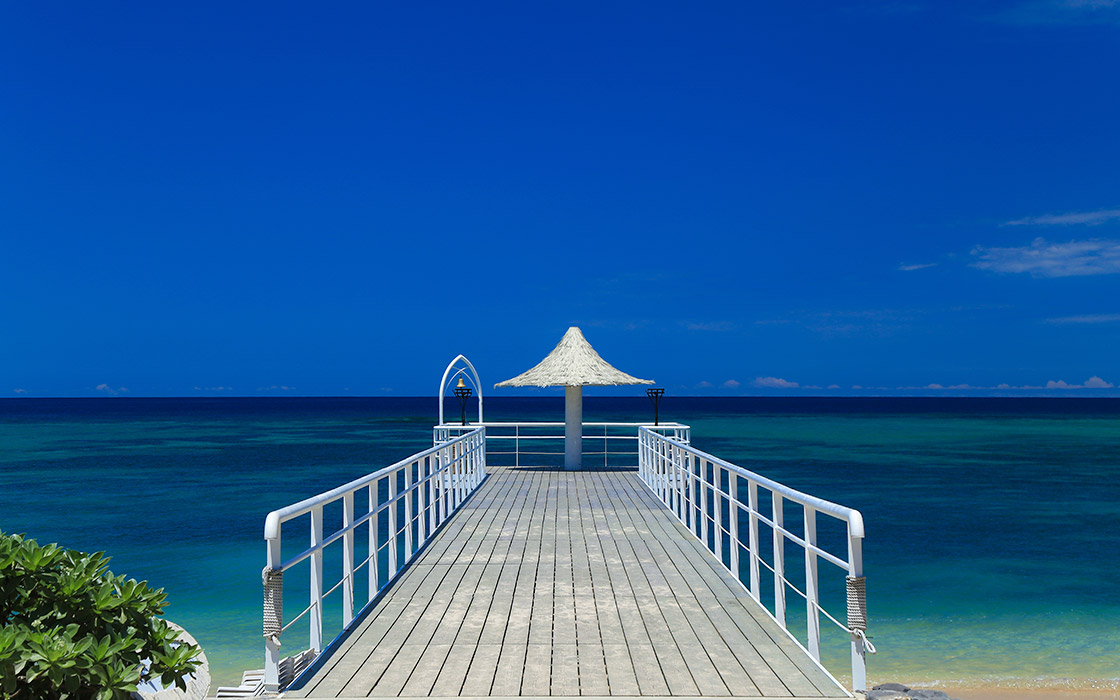
Fusaki Beach, a long beach where you can enjoy various activities.
The beach at Fusaki Beach Resort Hotel & Villas is a popular spot known for its photogenic pier extending into the sea. With its beautiful scenery and pleasant atmosphere, you can relax under a parasol or enjoy various marine activities. Lifeguards are on duty, and jellyfish nets are in place for your safety. The beach stretches for approximately 1km.
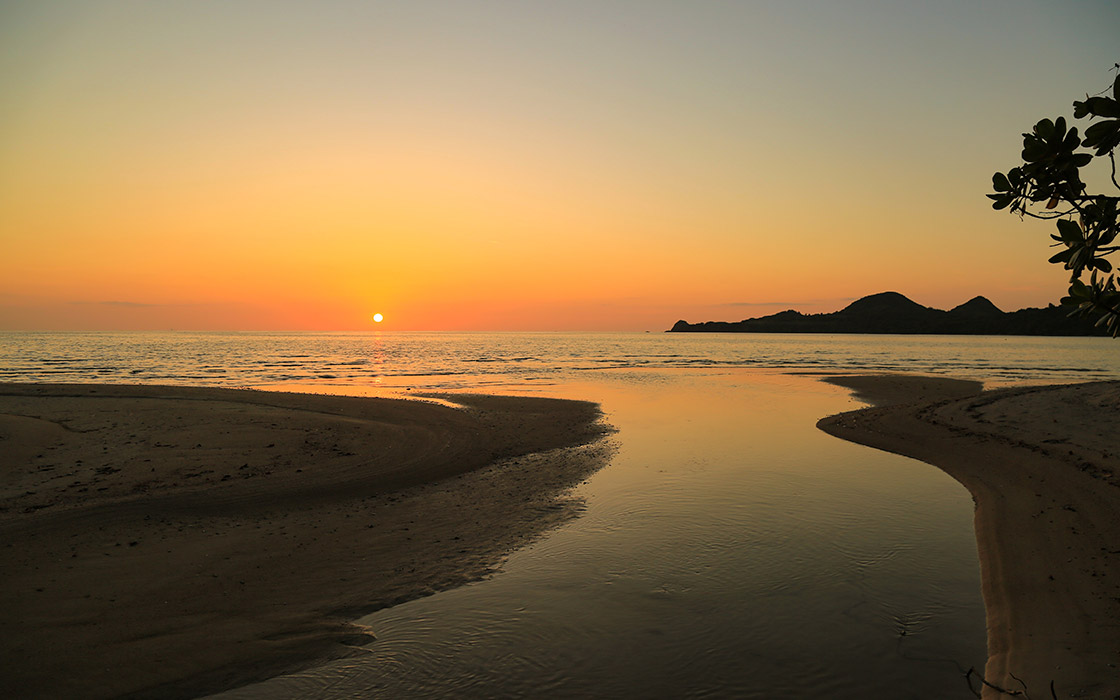
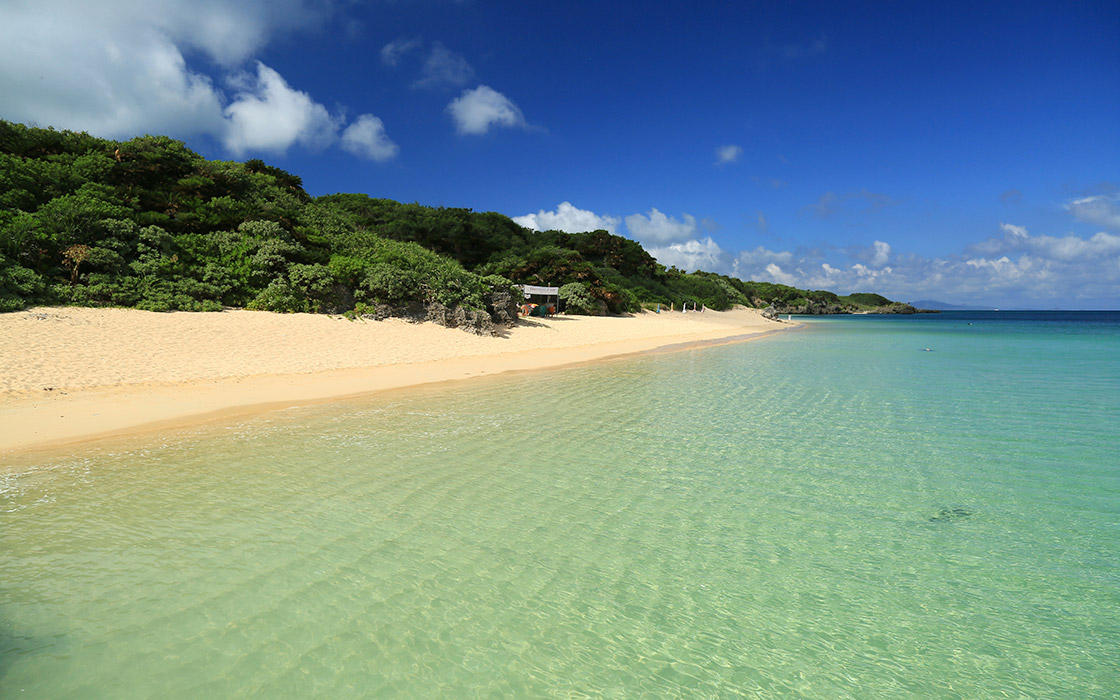
Ishigaki Island Sunset Beach: A beautiful natural beach in northern Ishigaki Island.
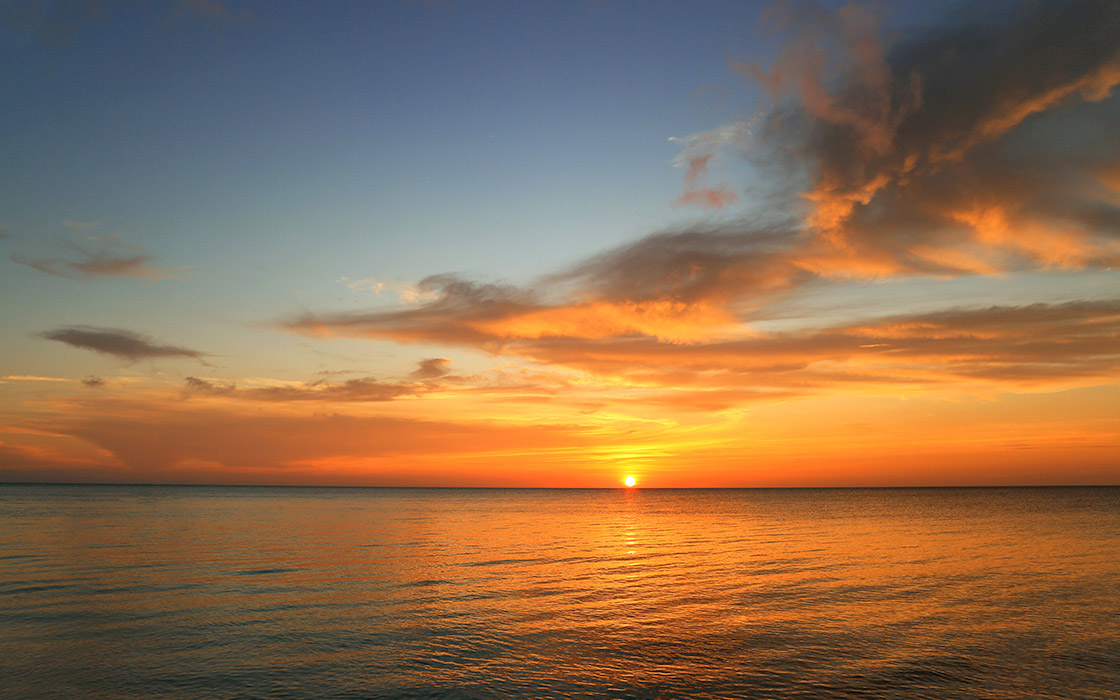
This natural beach in the village of Kuura boasts exceptionally clear waters. You can enjoy various marine sports, including wakeboarding, and snorkeling offers a chance to see numerous coral reefs and tropical fish. At sunset, you can witness a beautiful sunset over the ocean. Paid showers are available. The reception desk for marine sports and other activities is open from early summer to autumn.
Natural formations: Ishigaki Island Limestone Cave
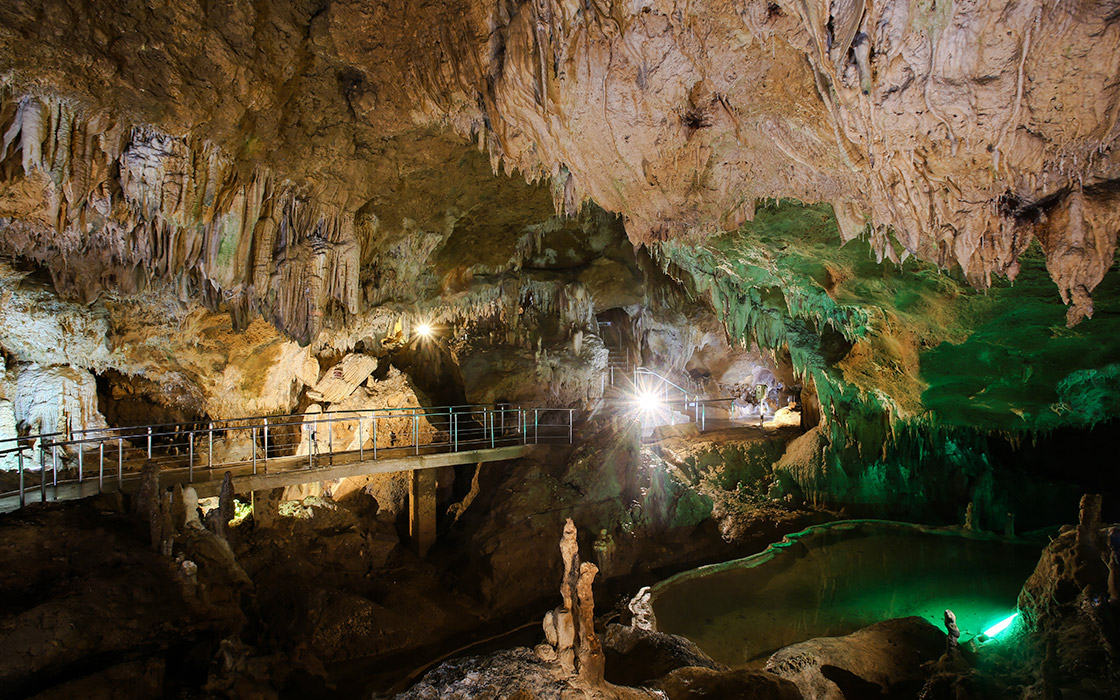
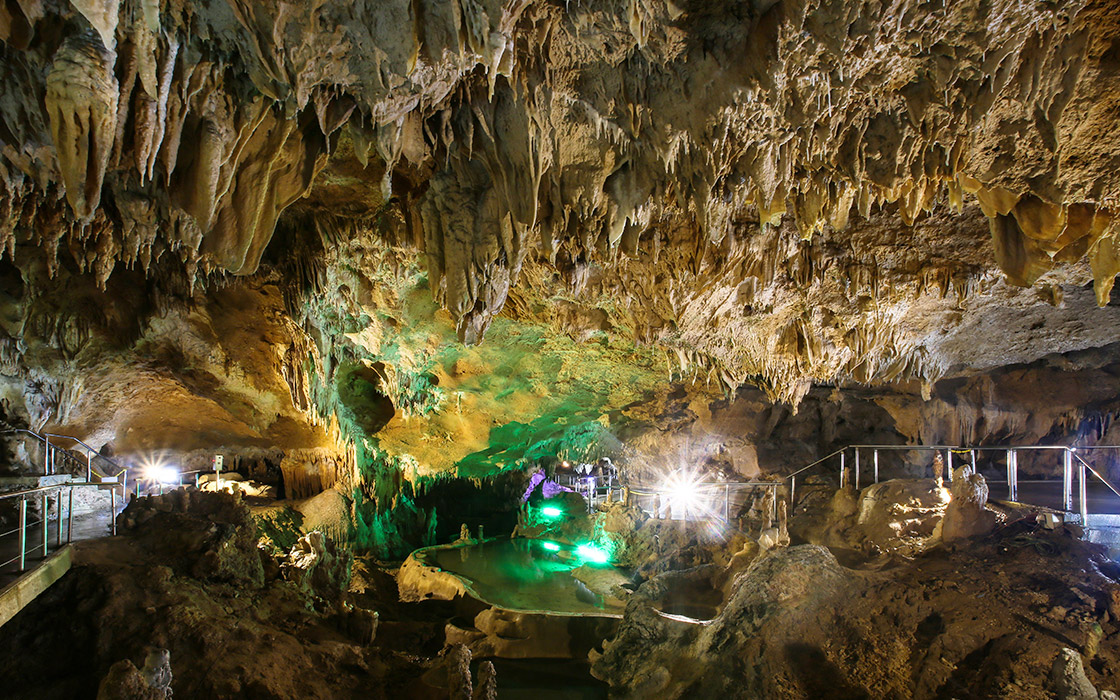
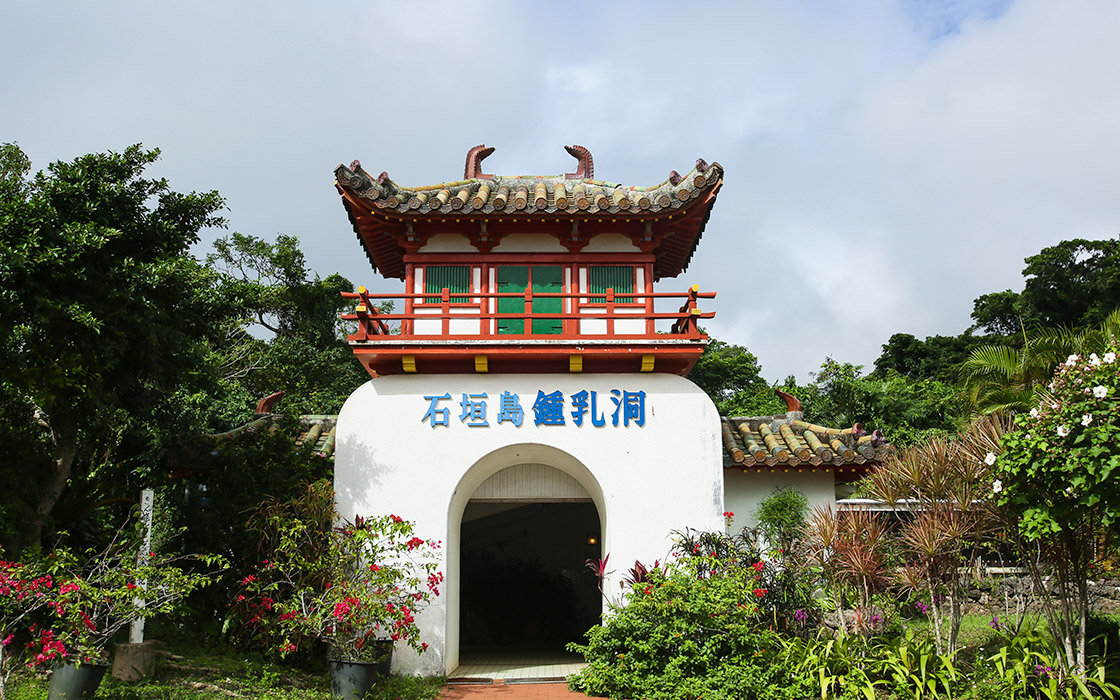
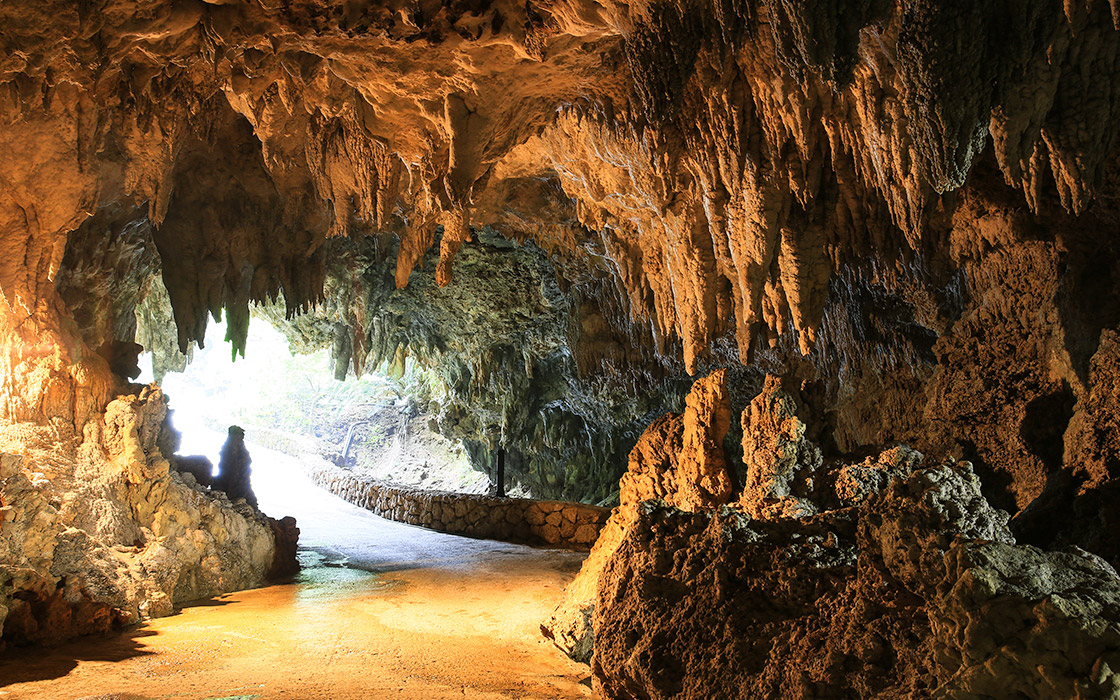
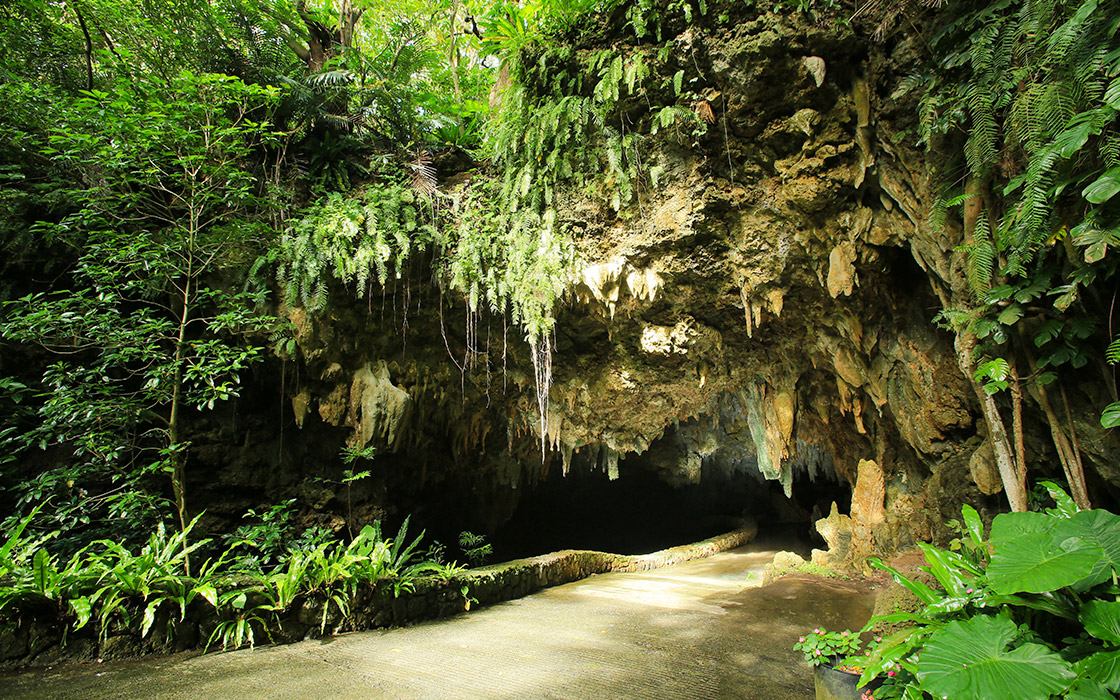
This limestone cave, with a total length of 3.2 km, has 660 m open to the public. A fantastical space unfolds, filled with countless glittering stalactites, said to have been formed over 200,000 years by tectonic shifts and other geological processes. It's a great option for rainy days as it's not affected by the weather. There are also restaurants and souvenir shops, and you can even try painting Shisa (Okinawan guardian lion statues).
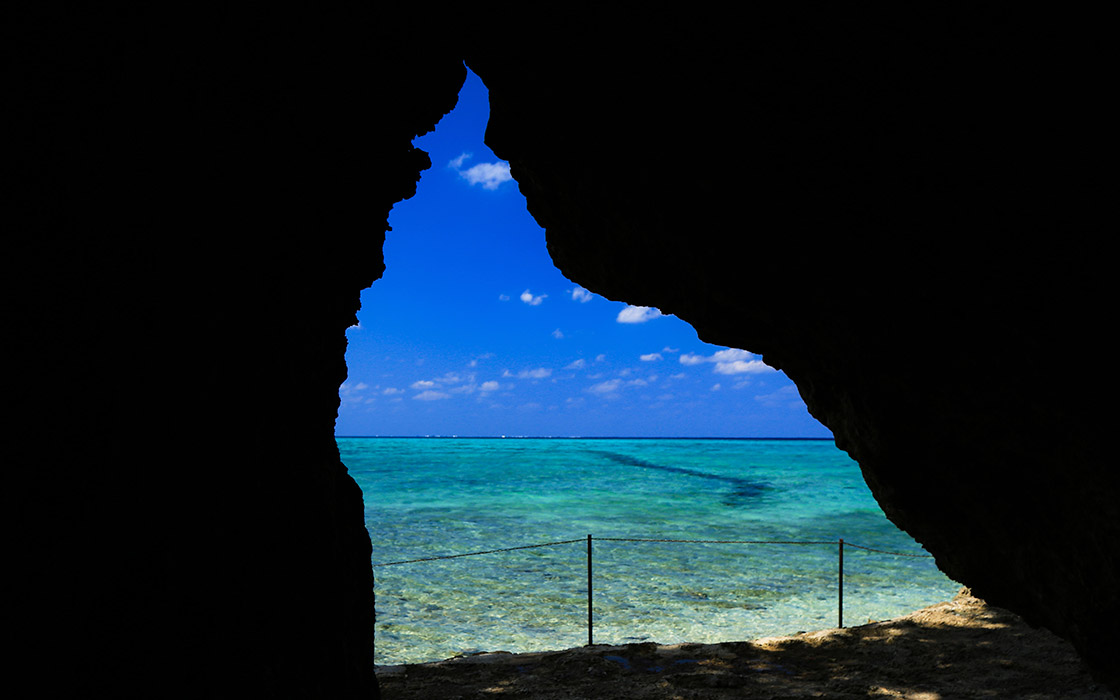
Sabichi Cave: Beyond the limestone cave lies the sea.
Sabichi Cave, located in Iharama in the northern part of Ishigaki Island, is the only limestone cave in Japan where you can exit the cave and go out to sea. It's mystical to see the stalactites formed by nature and how the cave leads to the beautiful sea on the northern side of the island. When the tide is low, you can even take a walk along the beach. There are also rumors that there are giant eels, some up to 2 meters long, in the pond at the entrance of the cave.
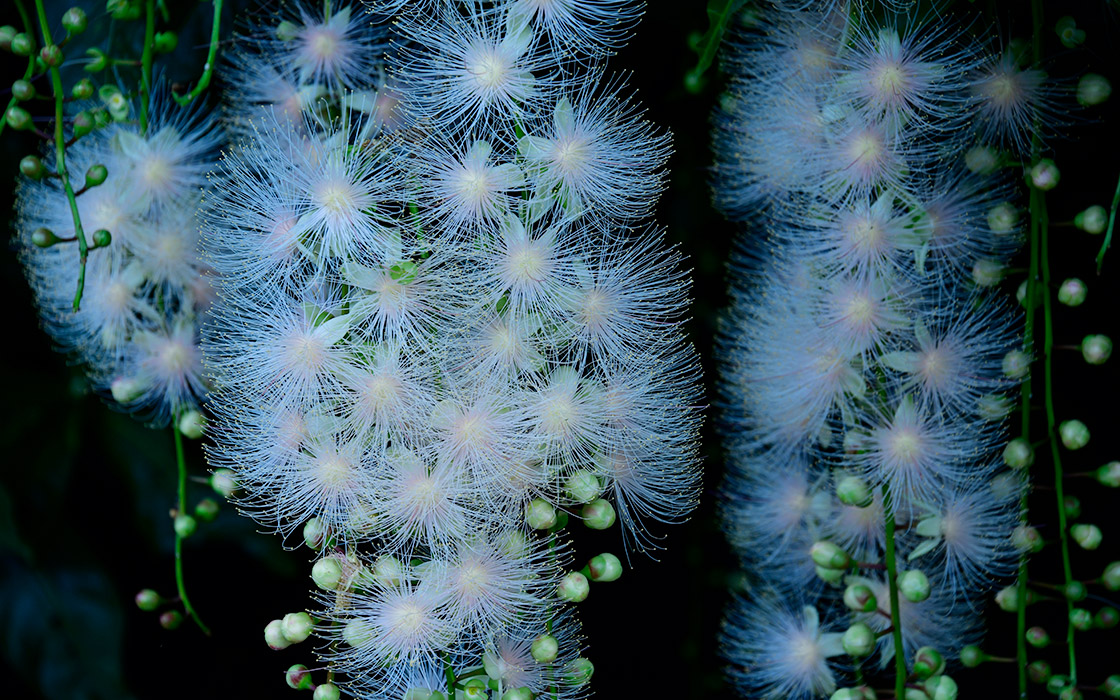
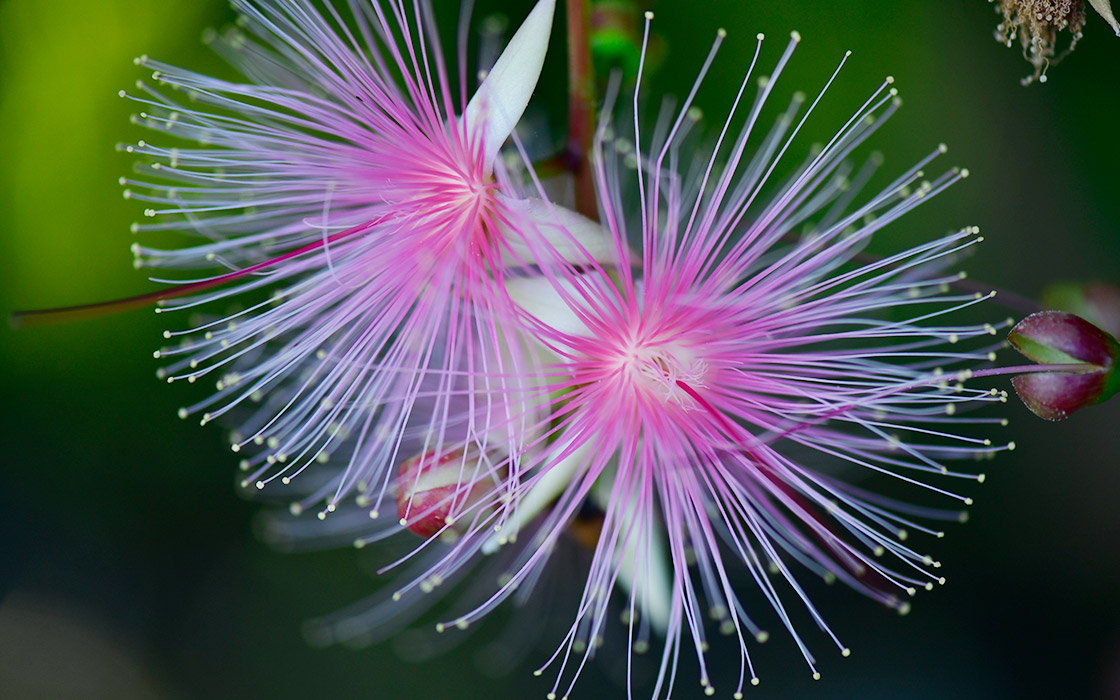
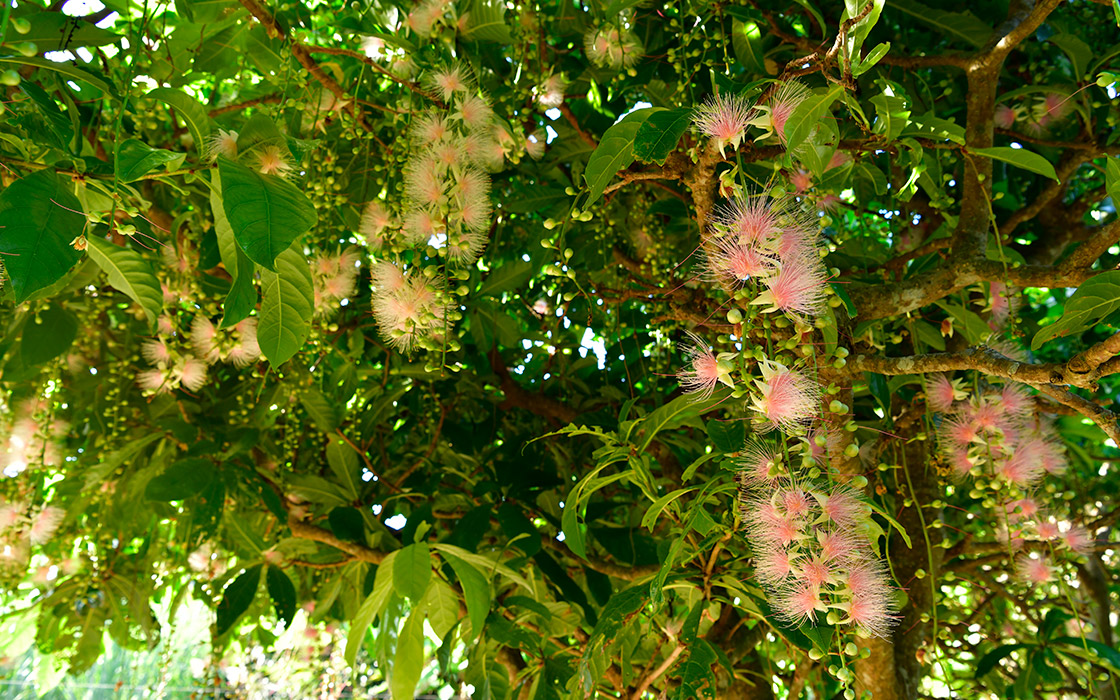
The mysterious flower that blooms for only one night: the Hirakubo Barringtonia racemosa colony.
Barringtonia racemosa, a flower that blooms at night and wilts by dawn, is a flower that lasts only one night. A large colony of these flowers can be found in Hirakubo, in the northern part of Ishigaki Island. In the late nights of early summer, when they bloom, the sight of so many flowers blooming, accompanied by a sweet fragrance, is magical. The flowers begin to open in the evening and are in full bloom around midnight. Many flowers can also be seen around sunrise before they fall. There are paved paths, but sneakers are recommended.
(Barringtonia racemosa Photo by Kiyotaka Kitajima)
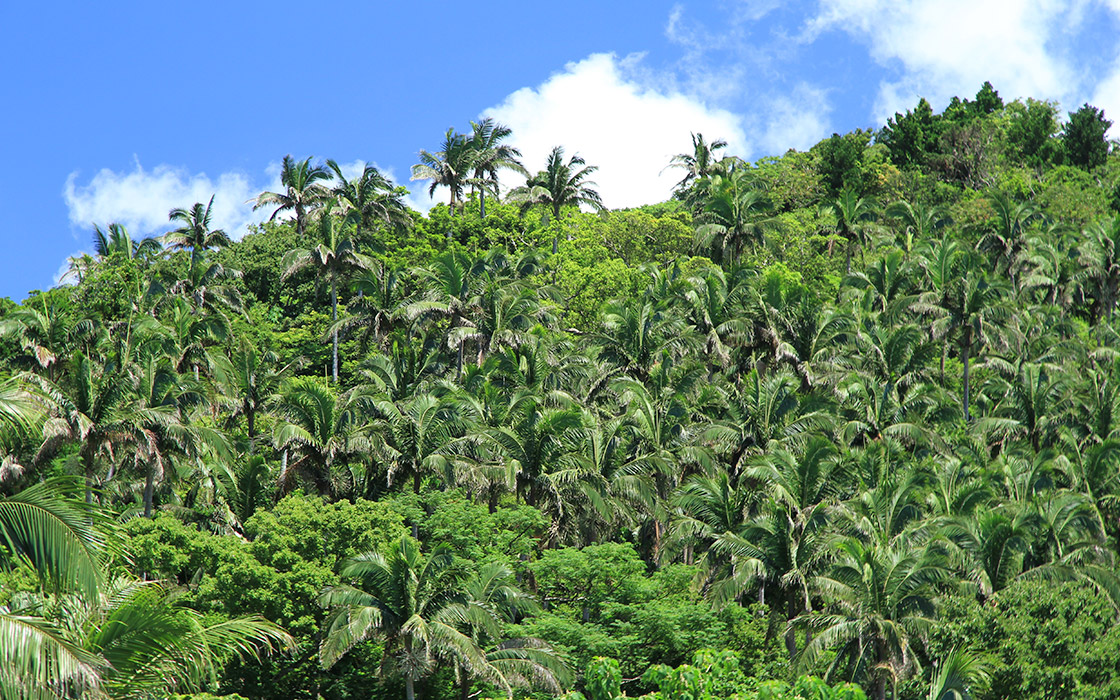
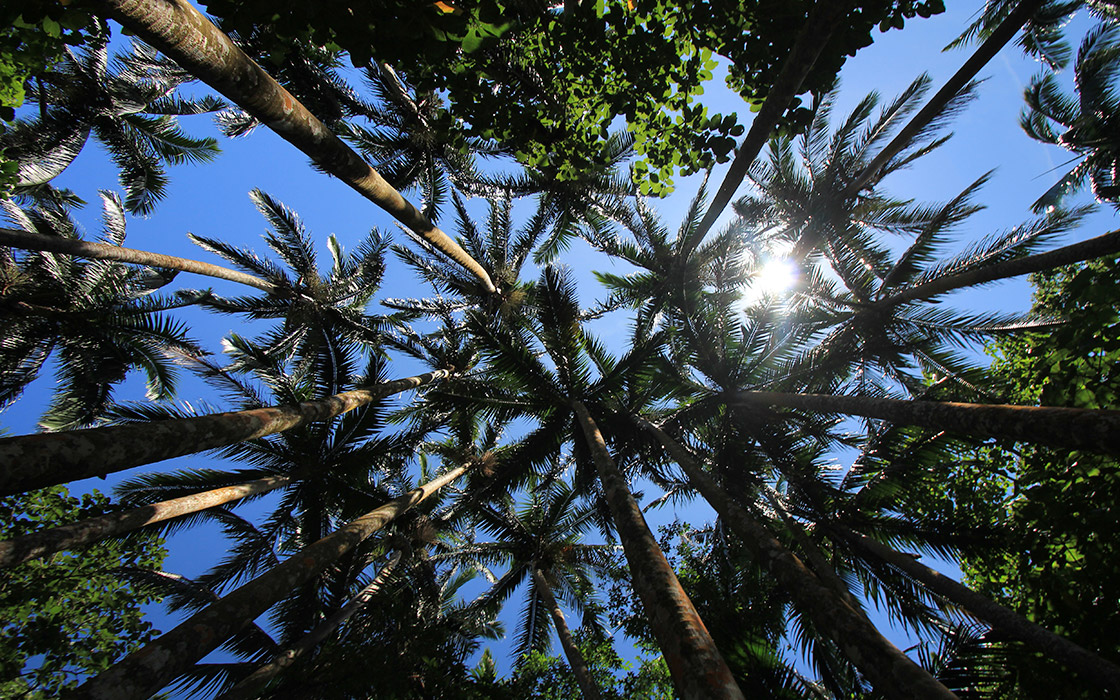
The Yonehara Yaeyama palm grove, found only in the Yaeyama Islands.
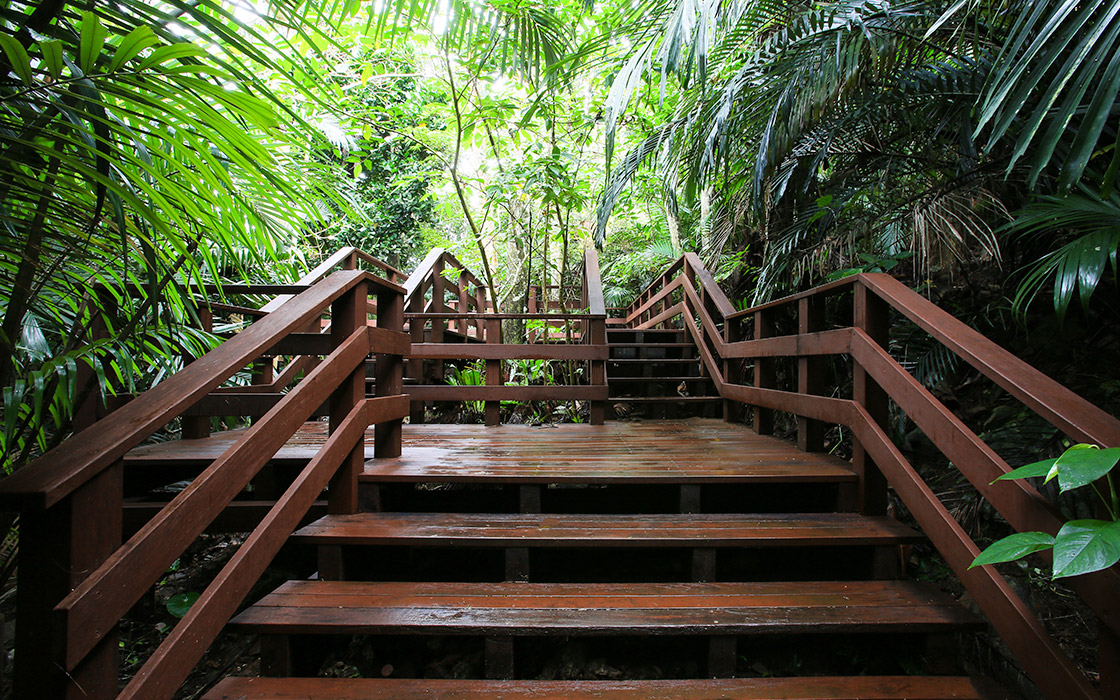
The Yaeyama palm, a species of palm endemic to the Yaeyama Islands, grows only on Ishigaki Island and Iriomote Island. Furthermore, it's a rare palm tree, found in only three locations. Two of these locations are on Iriomote Island, and the third is here at the Yonehara Yaeyama Palm Grove. As you walk along the wood walkway, you can look up at the Yaeyama palms, reaching heights of 10 to 20 meters, among the other trees. You'll also encounter many unique island flora and fauna, such as the Ishigaki lizard with its bright blue tail.
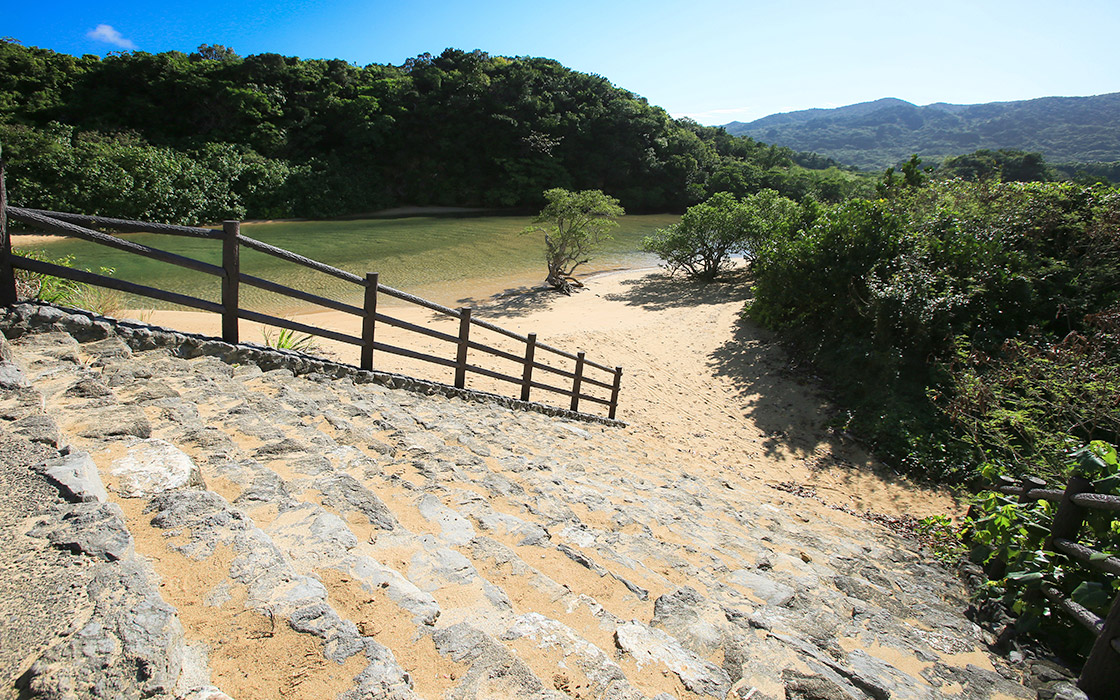
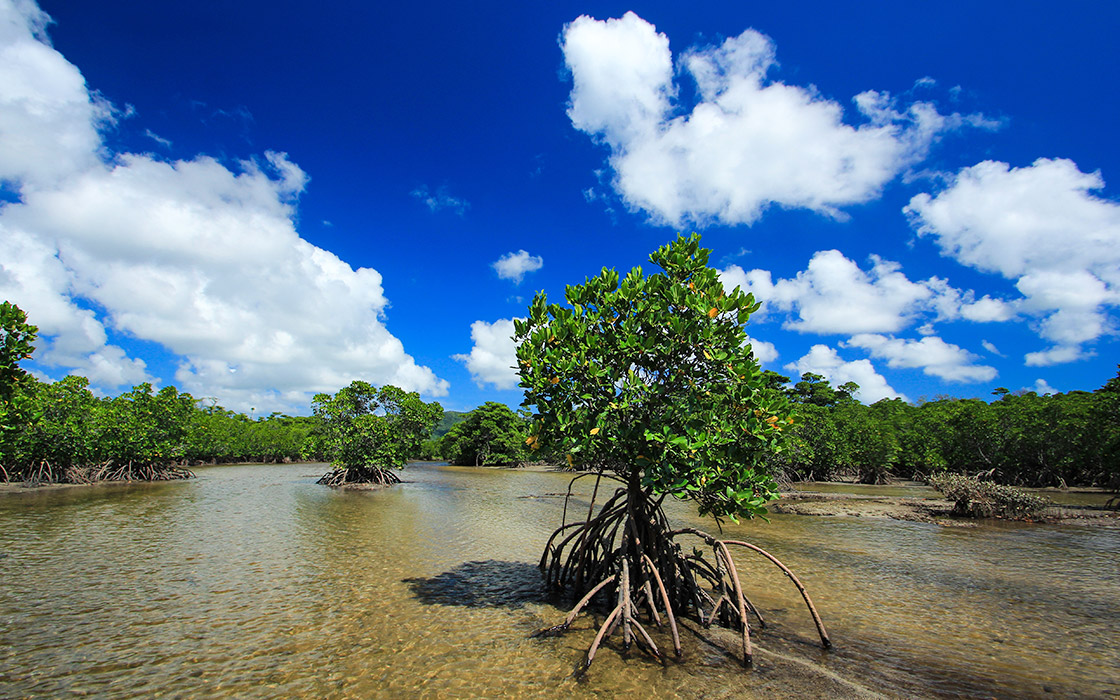
The mangrove forests along the Fukitogawa River are magnificent.
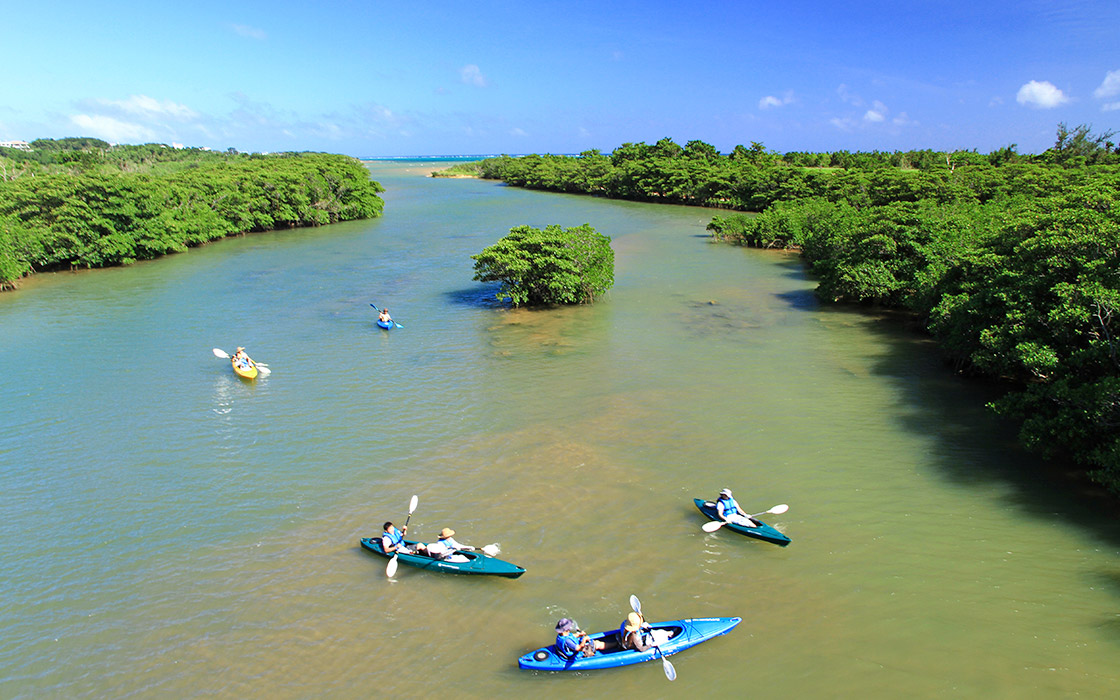
The Fukidogawa River, which flows north of the Itona settlement in the northern part of Ishigaki Island, is home to many mangrove trees, a type of mangrove called Rhizophora stylosa. At low tide, you can park your car in the parking lot next to the Fukidogawa Bridge and go down to the river to observe the mangroves and creatures such as crabs. You can also enjoy activities such as kayaking and explore the river's tributaries, which are densely covered with mangroves.
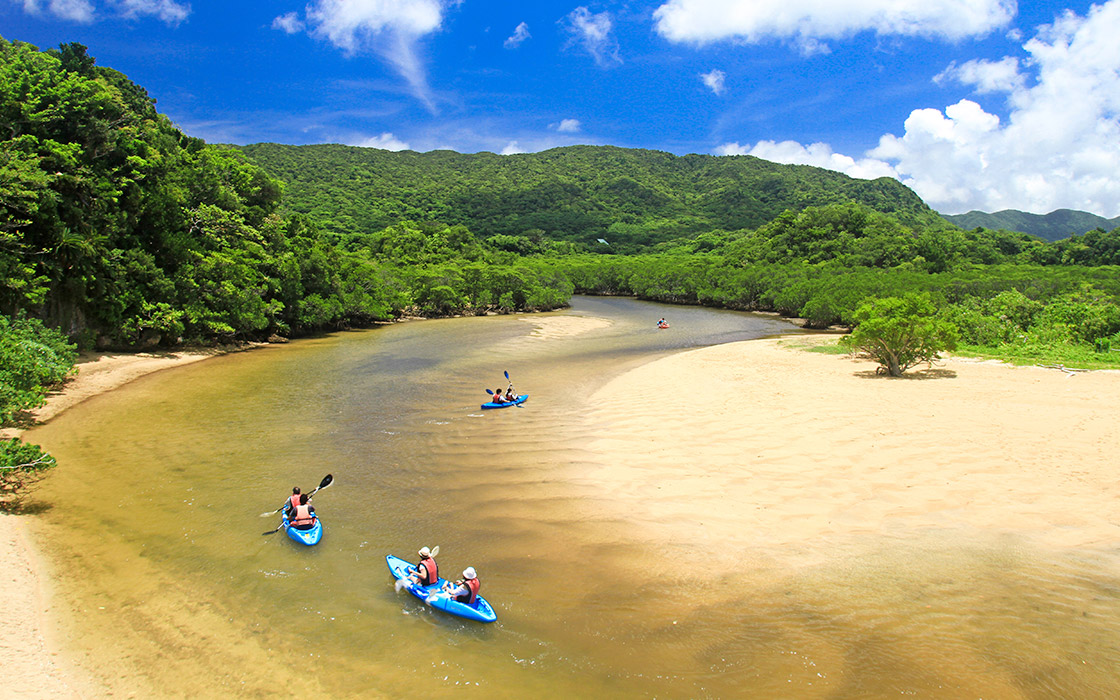
The Miyara River Mangrove Grove: Full of Jungle Atmosphere
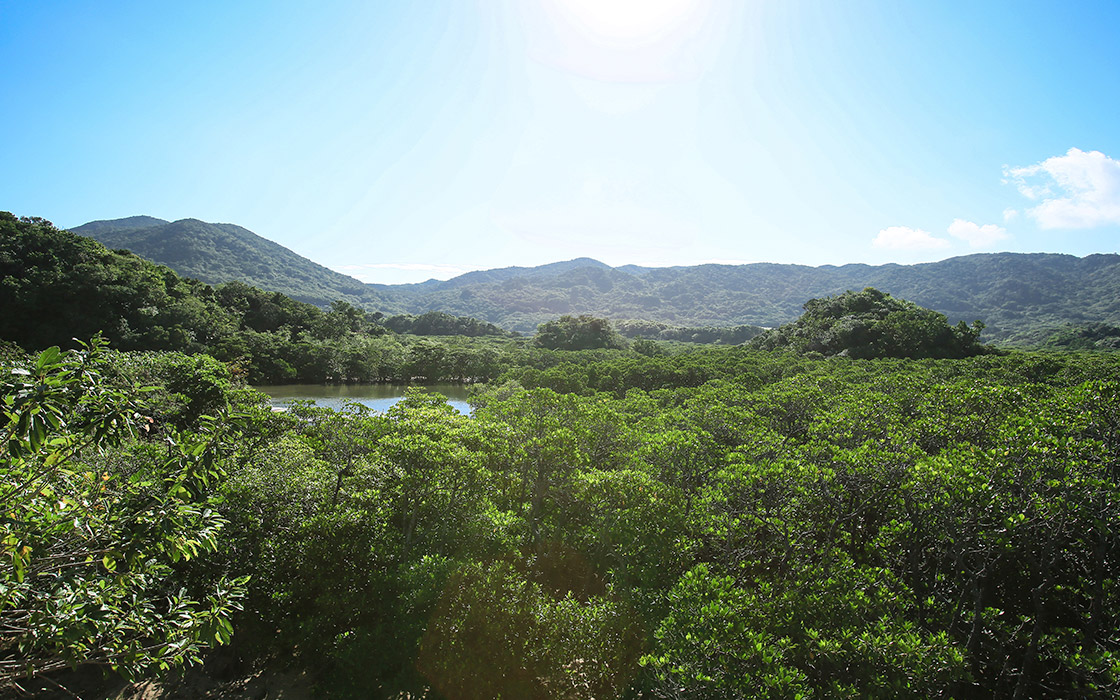
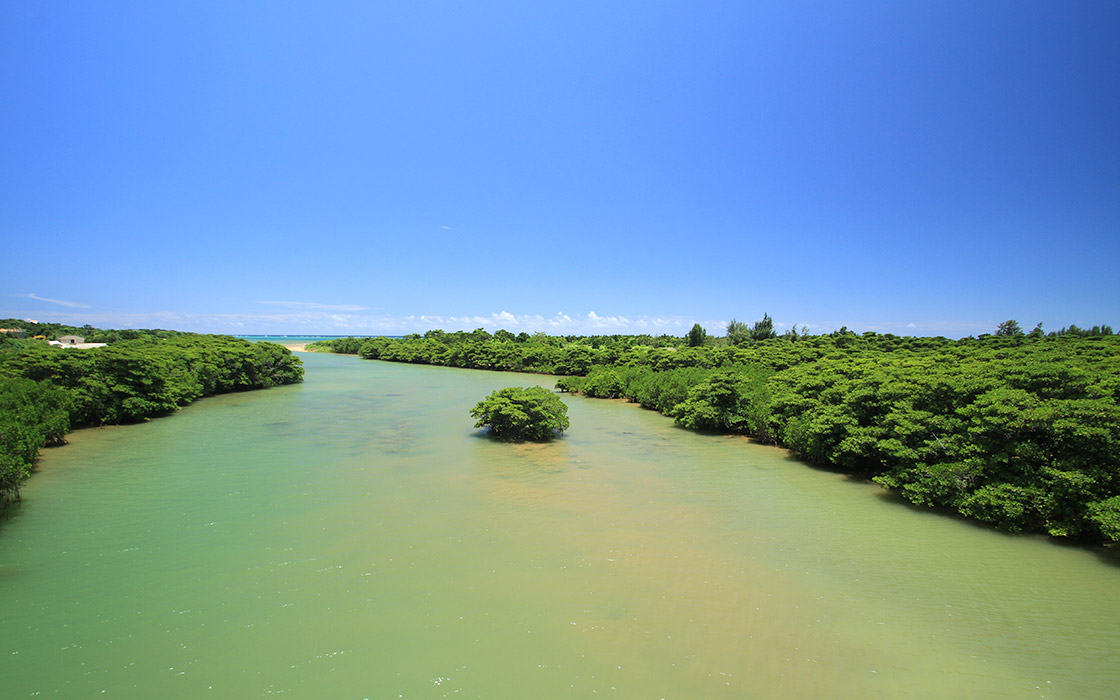
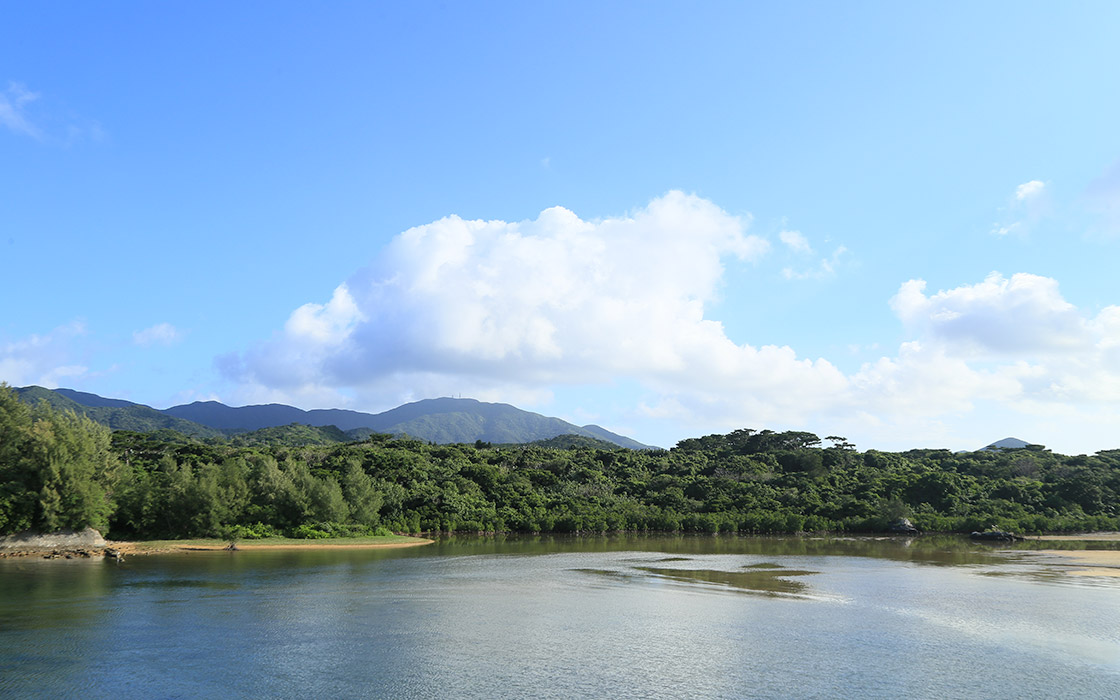
The Miyara River, which flows roughly halfway between the city center and Ishigaki Airport, is the longest river on the island, stretching approximately 12 km. The view of the mangrove forests from Miyara Bridge near the river mouth creates a jungle-like atmosphere. You can also enjoy activities such as kayaking and stand-up paddleboarding, and get up close and personal with the intricate mangrove groves and the creatures that inhabit them, such as crabs, gobies, and birds.
Nagura Anpal, a wetland rich in nature
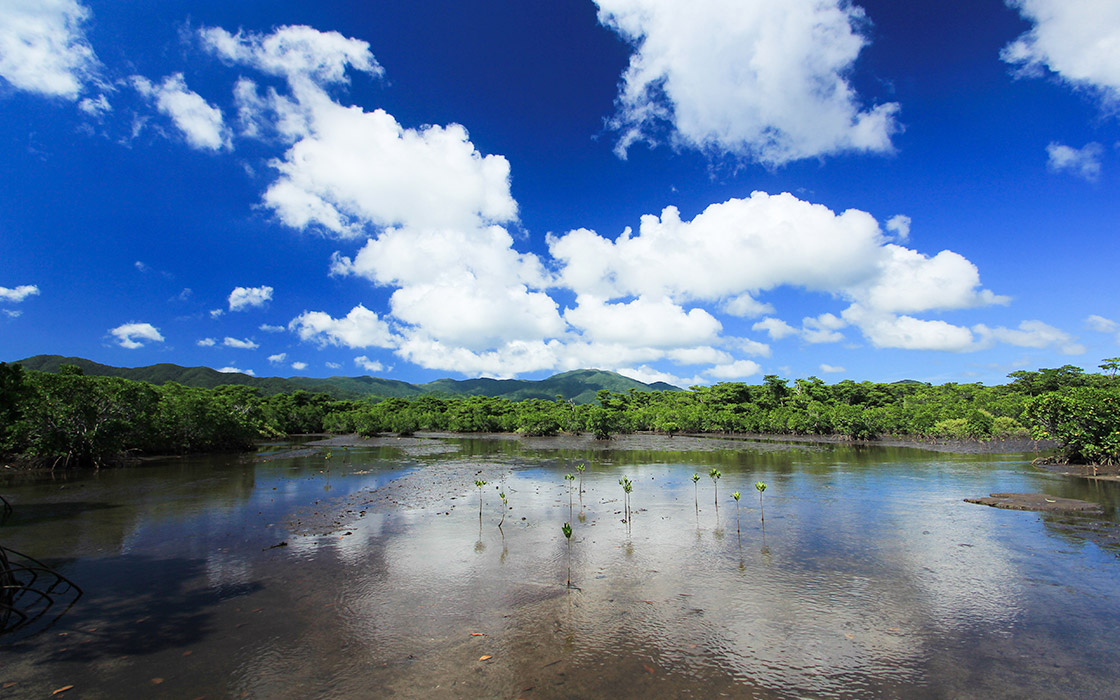
Nagura Ampal is a tidal flat that stretches around the mouth of the Nagura River, surrounded by mangroves and home to a wide variety of creatures. It is a Ramsar Convention-registered wetland and has long been considered a rich tidal flat by the islanders. There is a parking lot on the north side of the Nagura Bridge, and nature observation at the base of the bridge and canoeing experiences are also recommended.
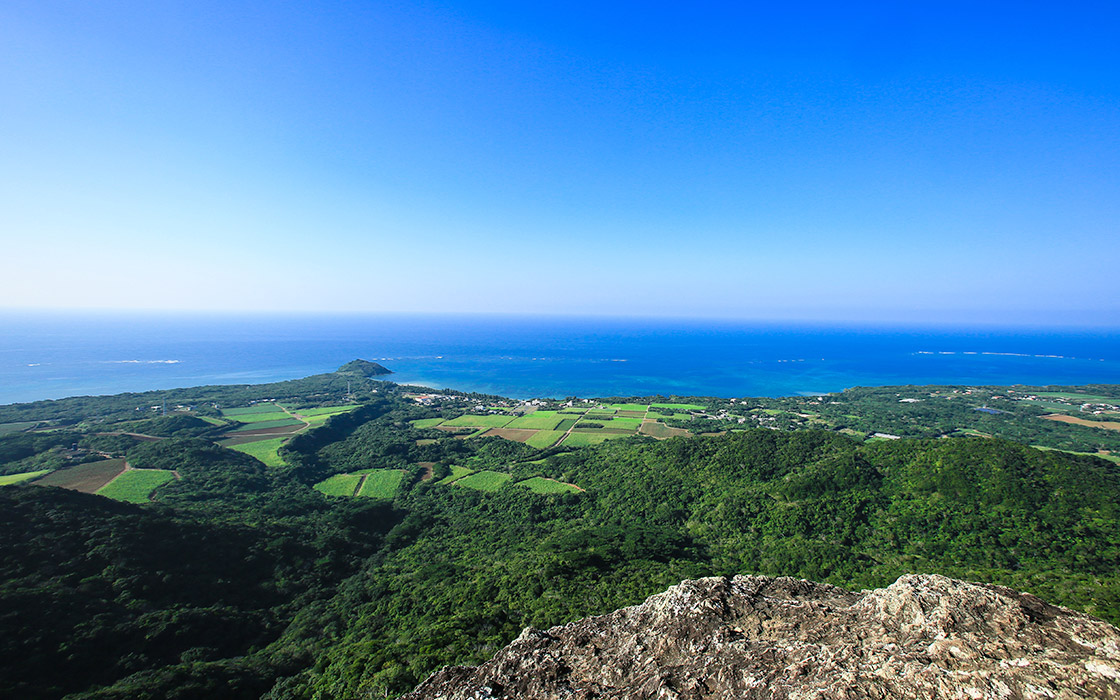
Nosoko Marpe offers spectacular views after a short hike.
Located in the northern part of the island, Nosoko-dake is known as Nosoko-Marpe, after a local folktale. Although it's not a very high mountain at 282m, it offers spectacular views of the sea and mountains and is a popular mountain that islanders can easily climb. The climb from the base takes about an hour each way, but there is a shorter course where you can drive part of the way up and reach the summit in about 15 minutes.
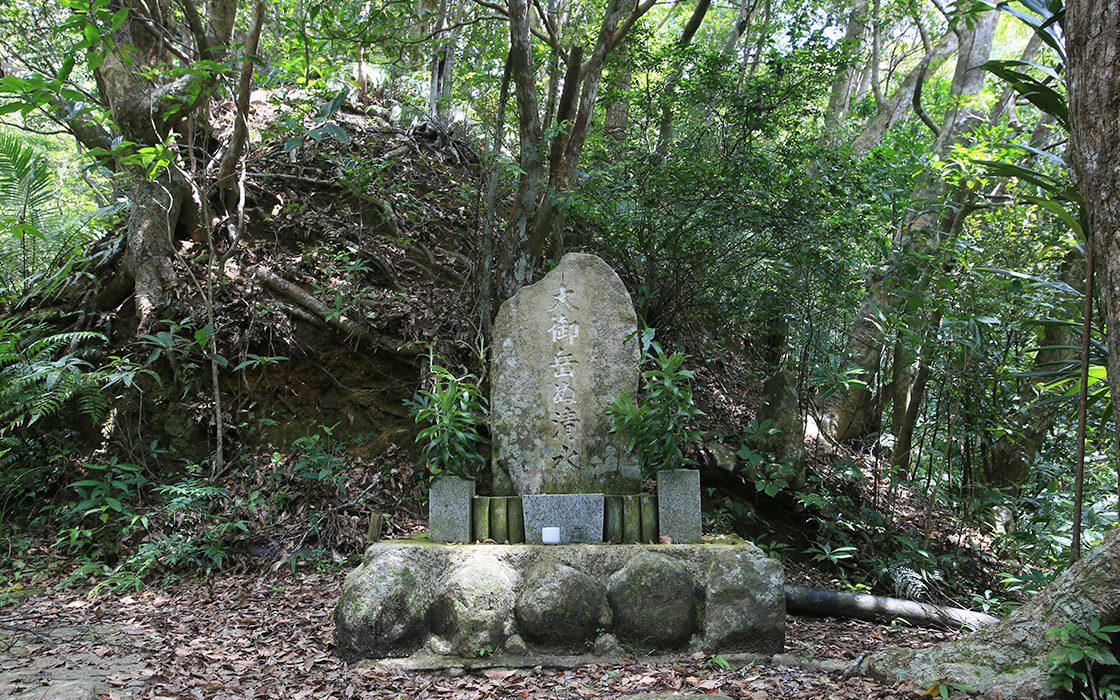
Mount Omoto, the highest peak in Okinawa Prefecture
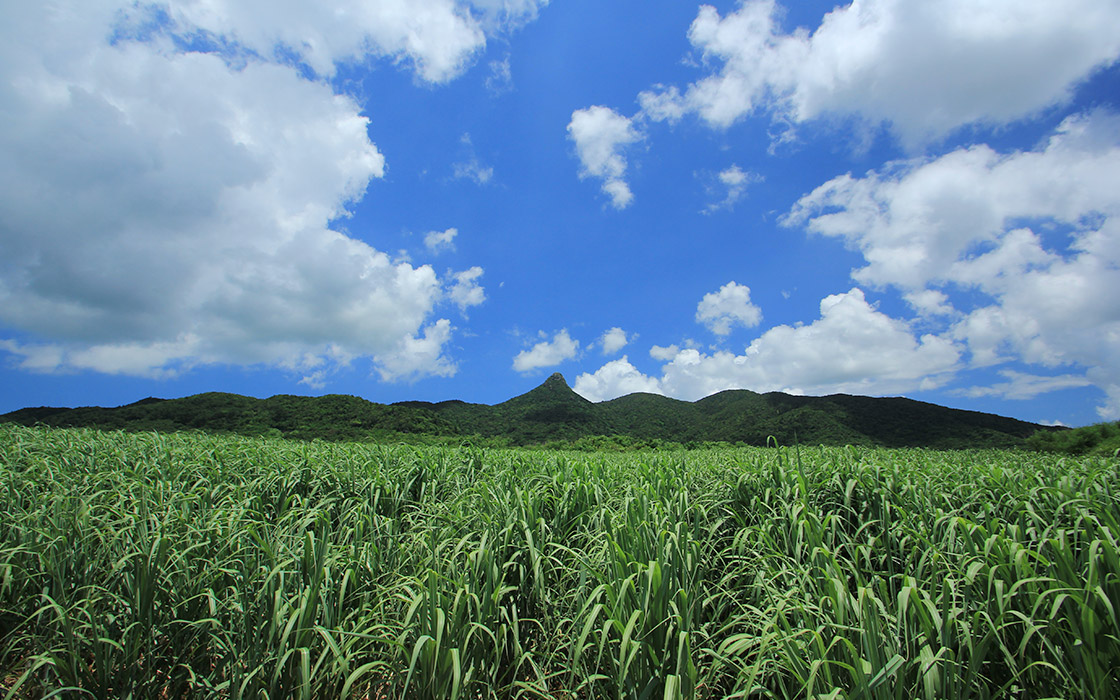
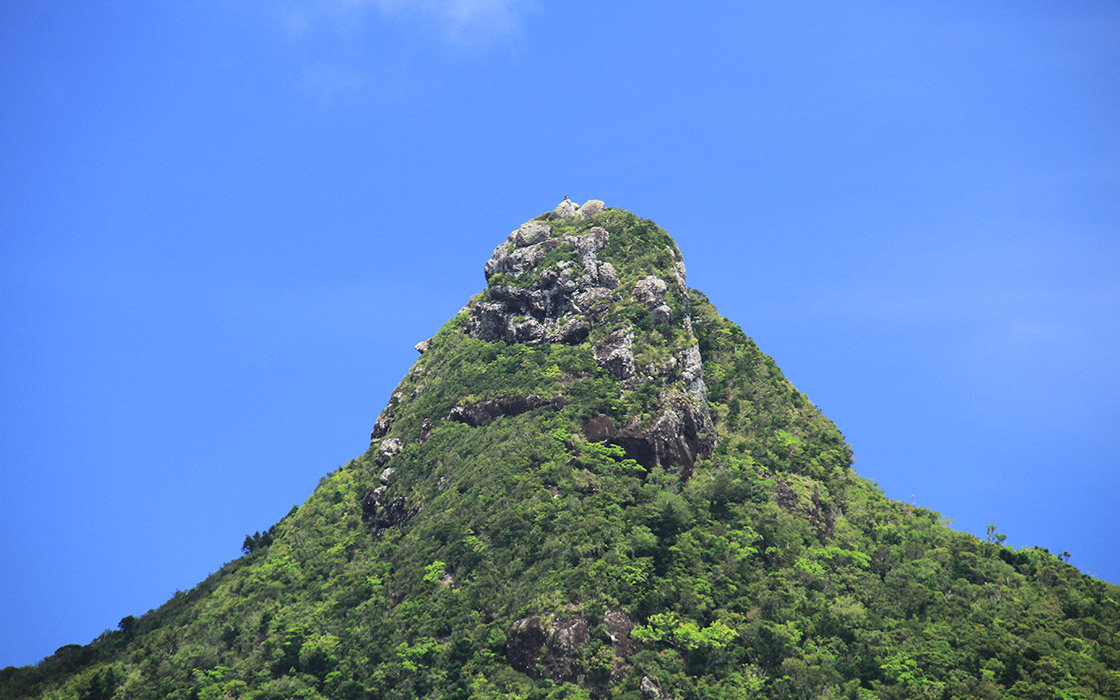
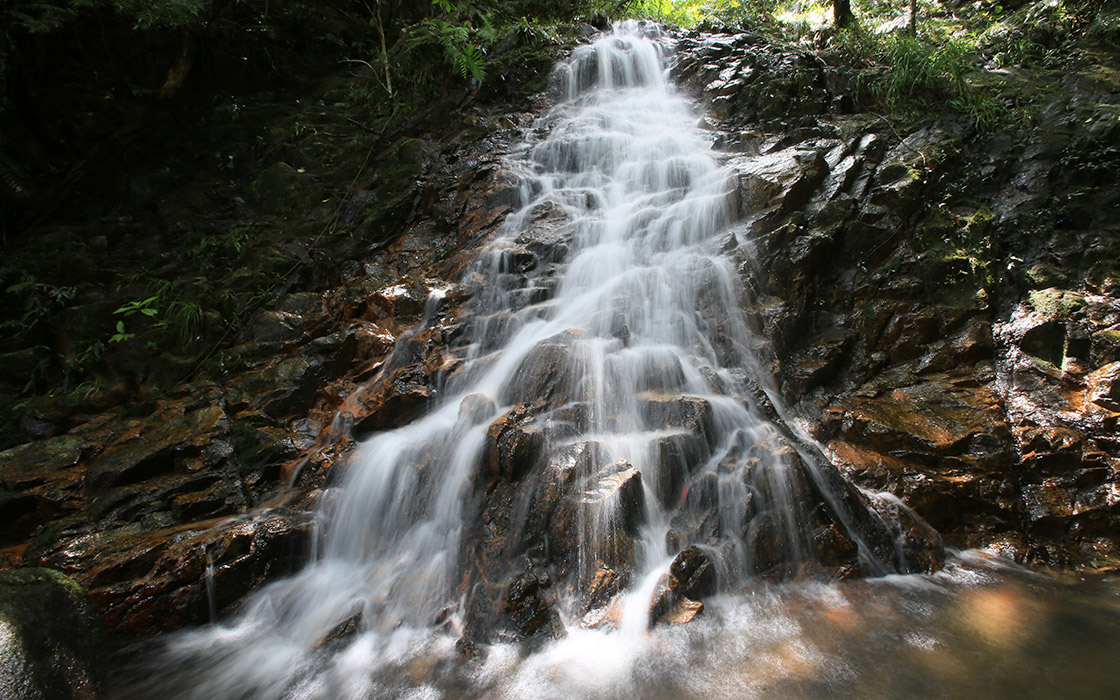
Mount Omoto, at 526 meters above sea level, is the highest mountain in Okinawa Prefecture. A hiking trail leads through a pleasant forest with frequent waterfalls, and the summit can be reached in about an hour and a half. There's a high chance of encountering the Crested Serpent Eagle, the official bird of Ishigaki City and a national special natural monument. The trailhead is easily accessible from the Omoto settlement.
Mount Banna, a mountain frequented by Ishigaki Island residents.
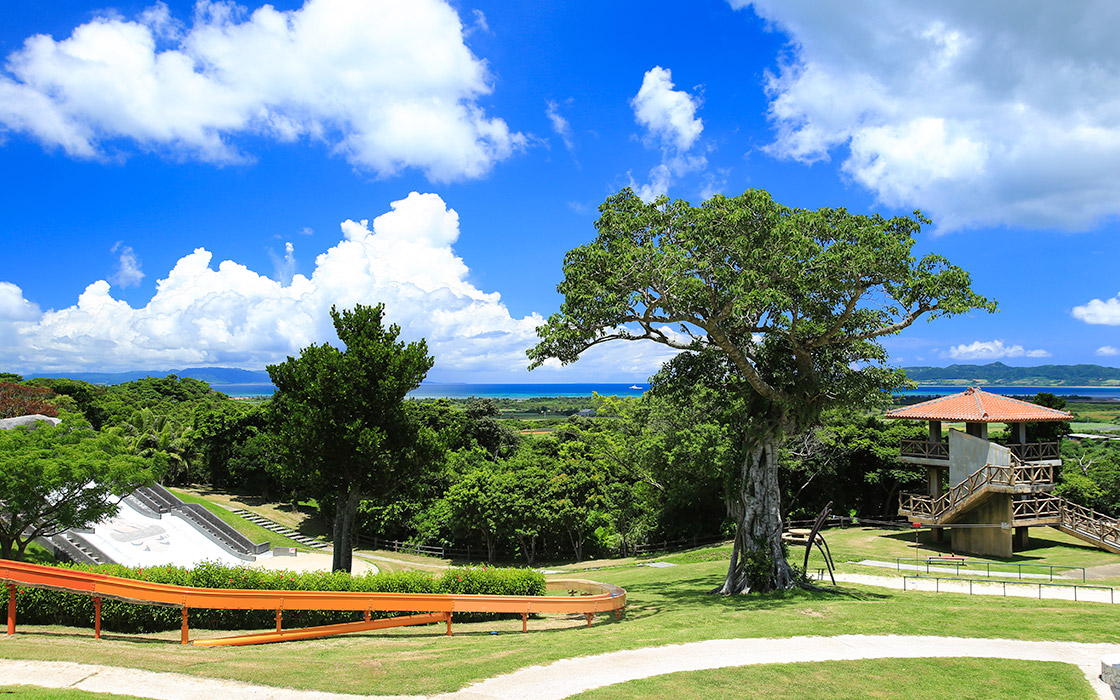
Mount Banna, located near the city center, is entirely a park called Banna Park. From the "Emerald Sea Viewpoint," you can enjoy panoramic views of the city and surrounding islands, and on clear days, you can even see Hateruma Island, 55km away. With its abundance of tropical plants, it's a great place for those who love greenery. There's also a suspension bridge over a dam, a firefly-lined street where you can see fireflies in early summer, and a children's playground.
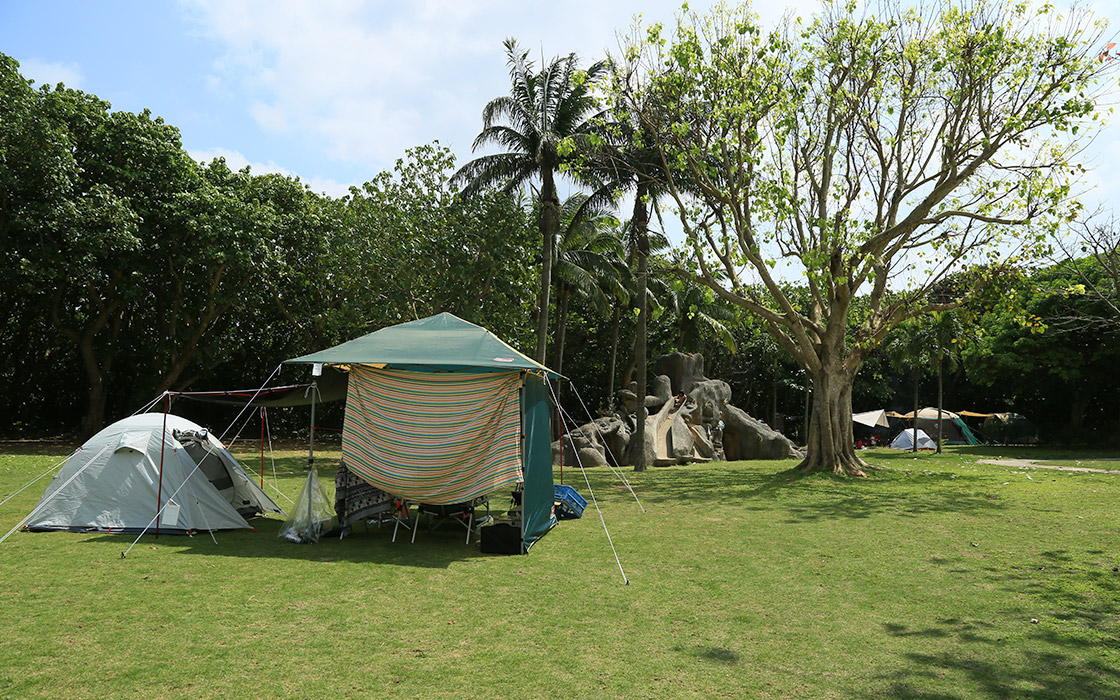
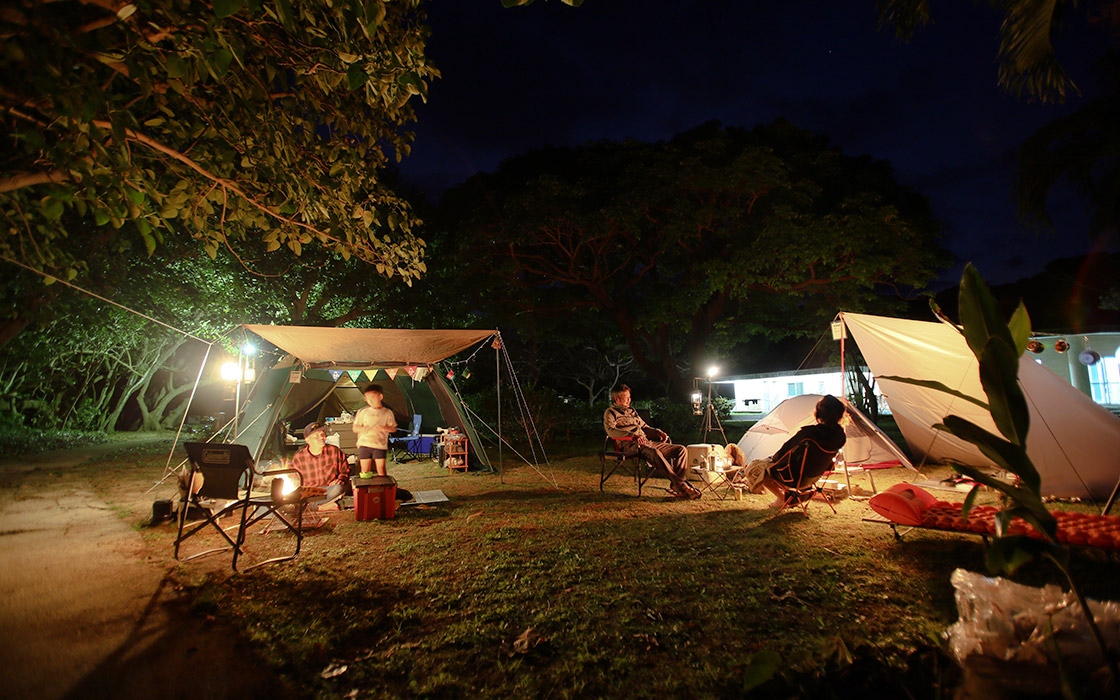
Inoda Auto Campground is the only place on the island where you can camp by car.
This spacious campsite is located right by the sea and surrounded by abundant nature, making it a popular spot for islanders to camp. There are playgrounds for children, and the sea is just a short walk from the tent sites, offering stunning starry nights. The large grounds also include cooking facilities, showers, and toilets.
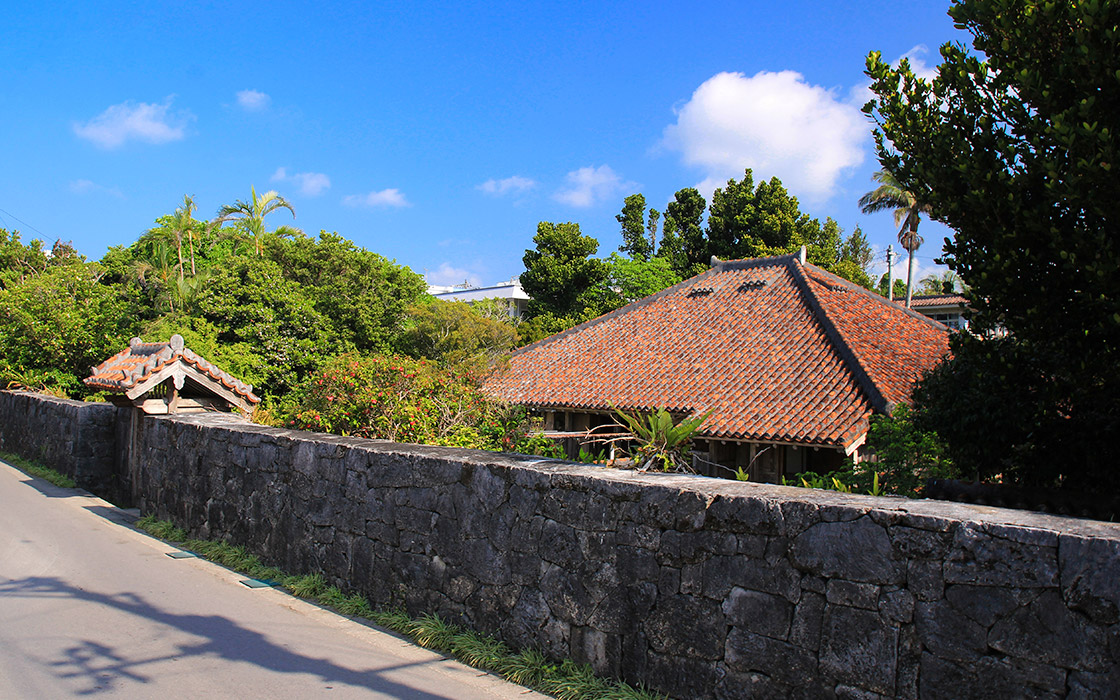
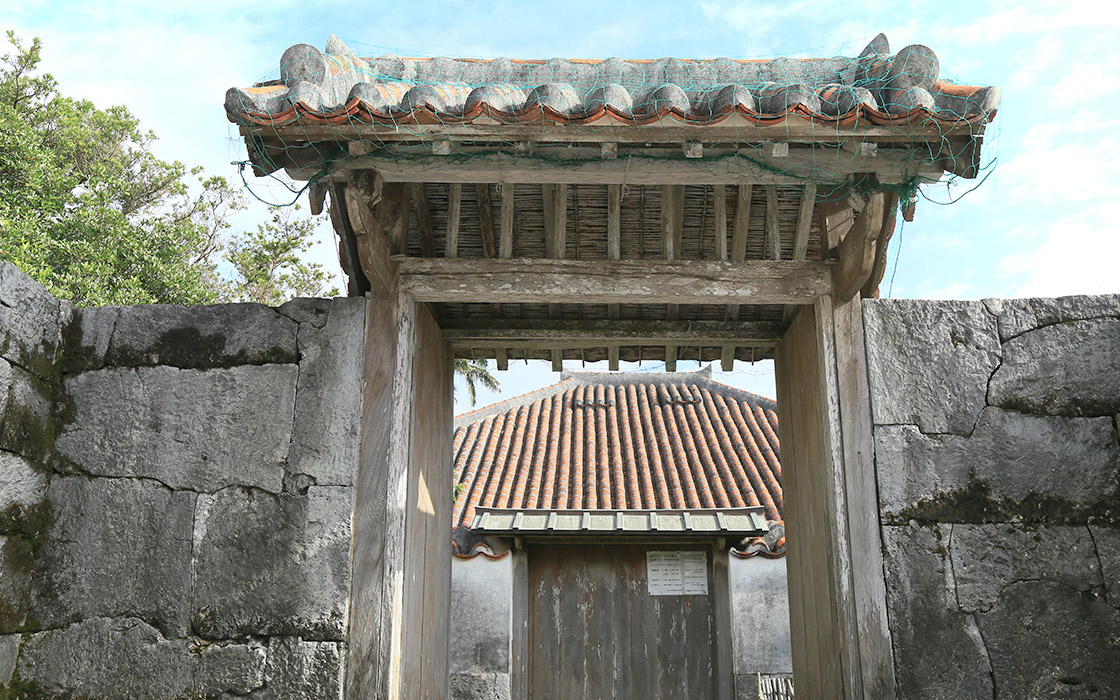
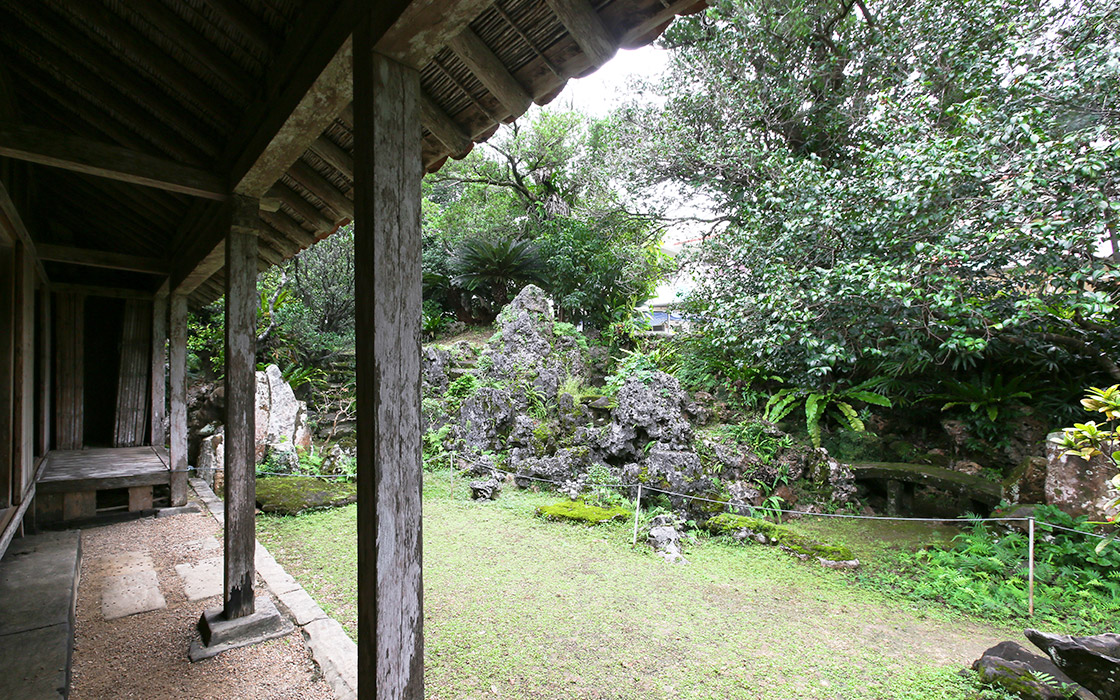
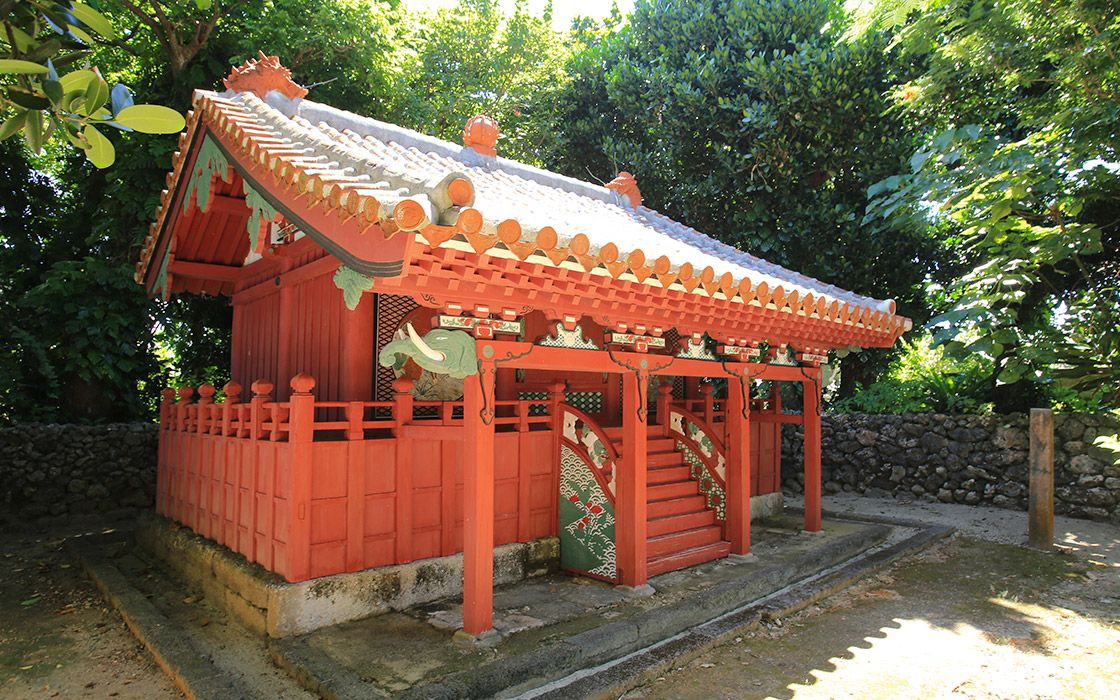
Miyara-denchi, a residence built during the Ryukyu Kingdom era.
Miyara Dunchi, located in a residential area near the bustling downtown of Ishigaki Island, is the site of a residence built in 1819 during the late Edo period. It is believed to have been built to commemorate the appointment of Matsushige 8th generation Toen as the head of Miyara Magiri (district). As the only building in the prefecture that preserves the layout of a samurai-class residence from the Ryukyu Kingdom era, it has been designated a National Important Cultural Property, and its garden is registered as a National Place of Scenic Beauty. Visiting hours are from 9:00 to 17:00, closed on Tuesdays, 200 yen for adults, 100 yen for elementary, junior high, and high school students.
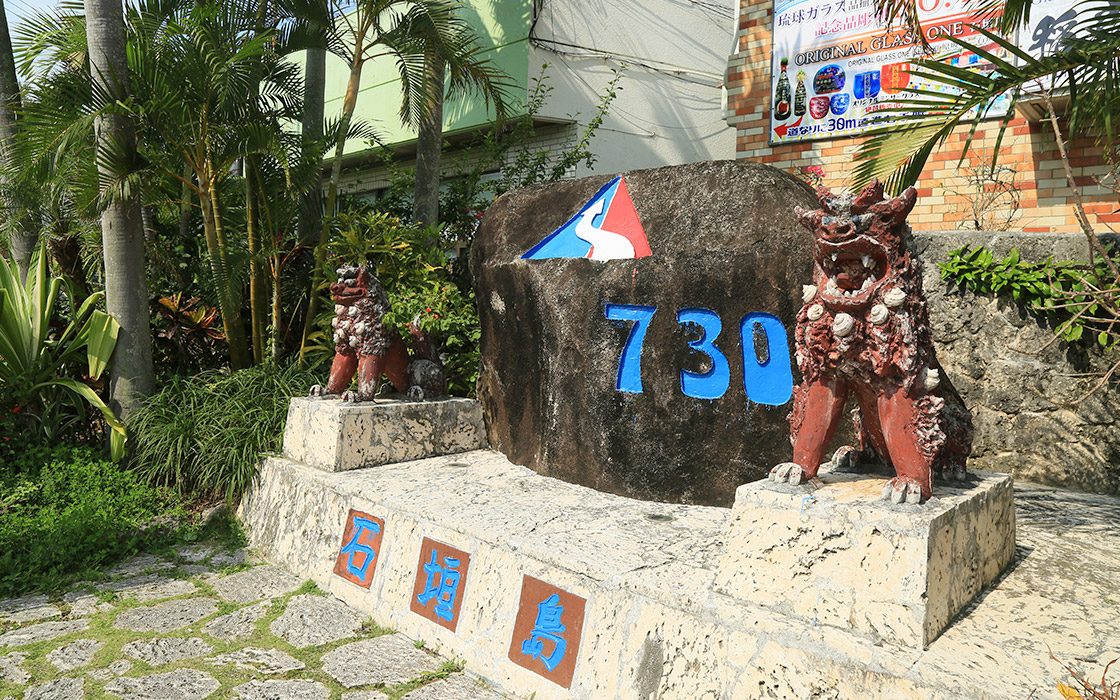
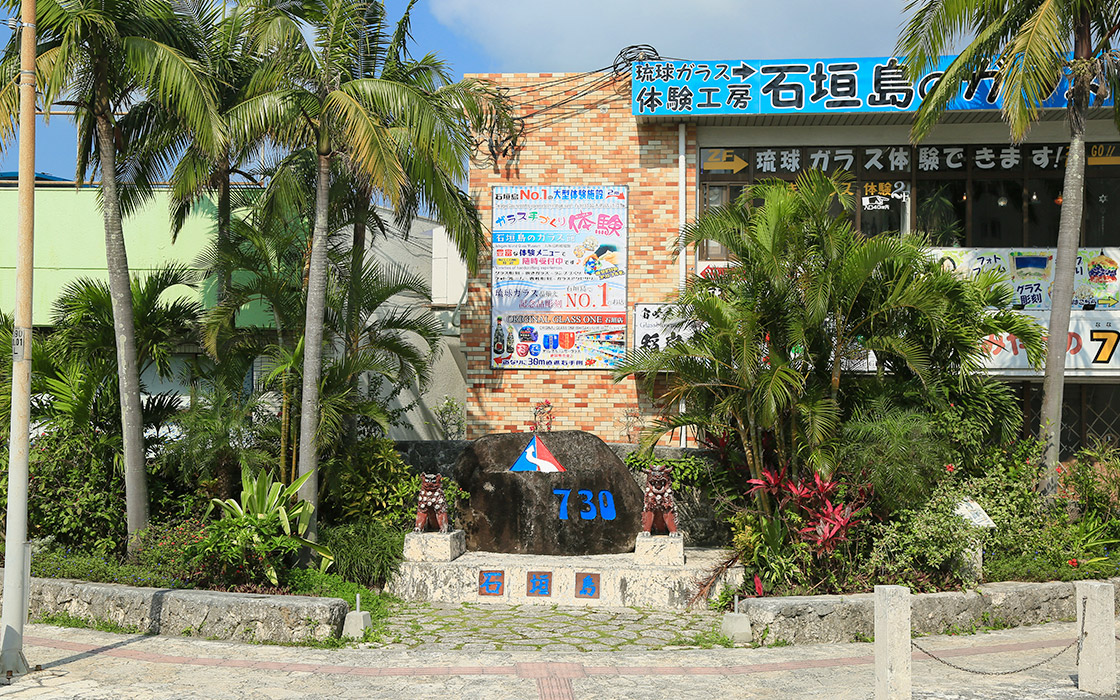
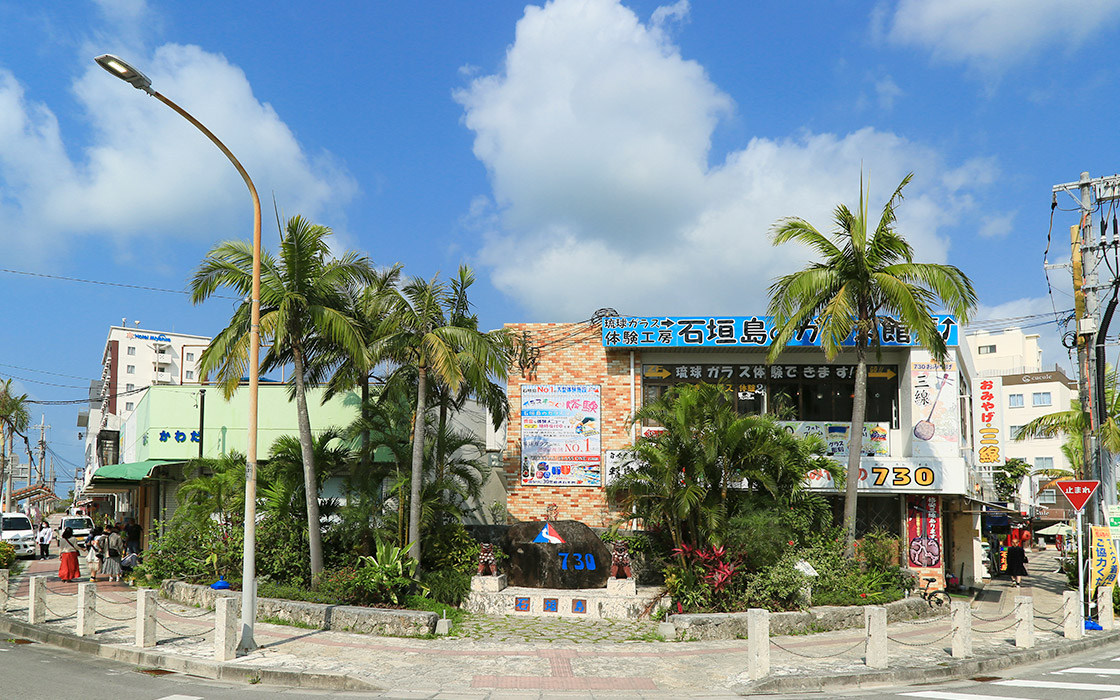
The 730 Memorial is located in the heart of the downtown area.
The monument at the 730 (nanasanmaru) intersection near the remote island terminal commemorates the change in traffic direction from right-hand to left-hand traffic on July 30, 1978. Even after Okinawa's return to Japan in 1972, the change could not be made due to the US military occupation, and it took six years to make the transition on this day. Apparently, the transition was completed without any major disruption or accidents.
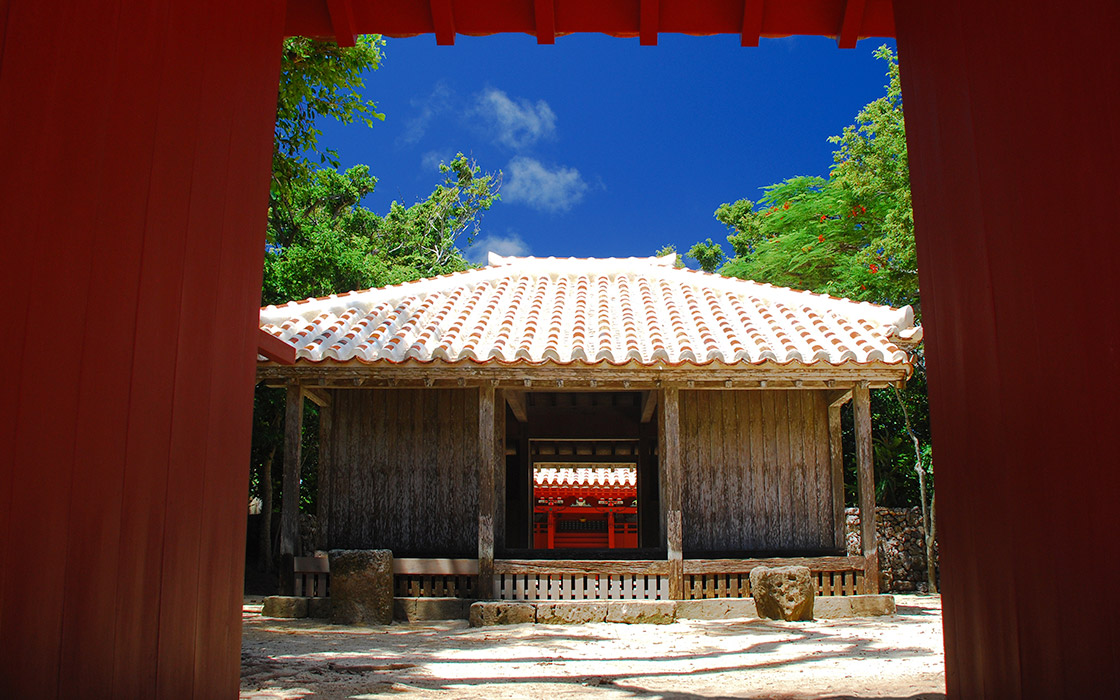
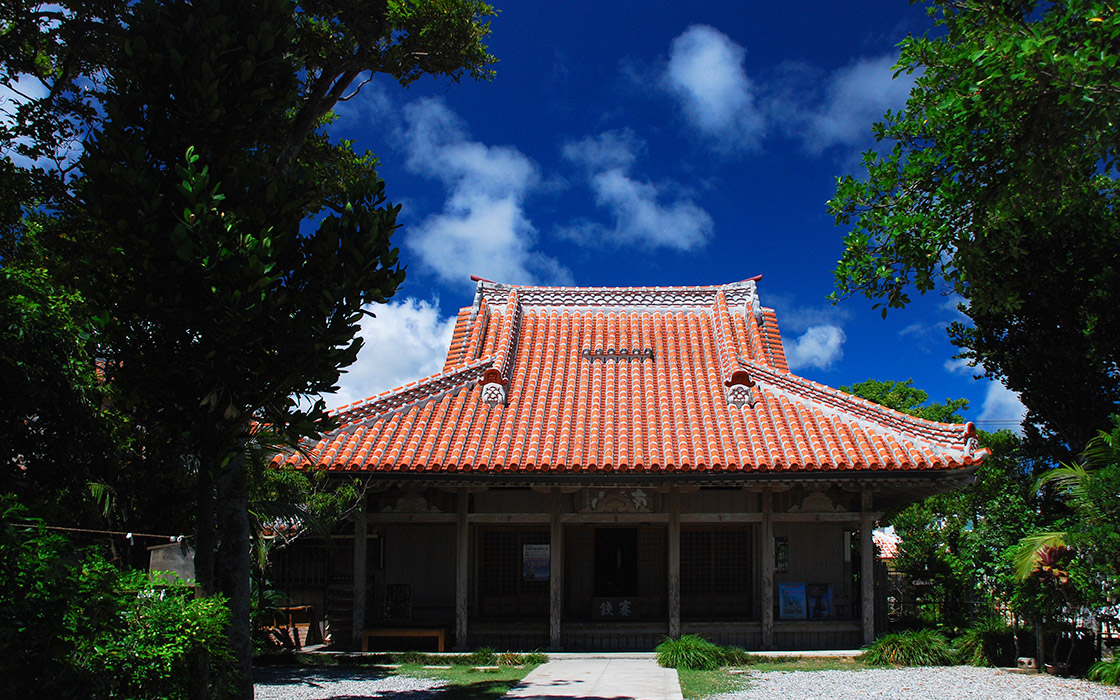
The atmosphere of Okinawa is palpable at Torinji Temple and Gongendo Hall.
Torinji Temple and Gongendo Hall are the oldest temples in the Yaeyama Islands, established in 1614. They were destroyed by the Meiwa tsunami caused by the Yaeyama earthquake in 1771, and the current halls are reconstructions. The Nio statues enshrined in the temple's charming gate are the oldest existing wooden sculptures in Okinawa Prefecture. Gongendo Hall is designated as a National Important Cultural Property.
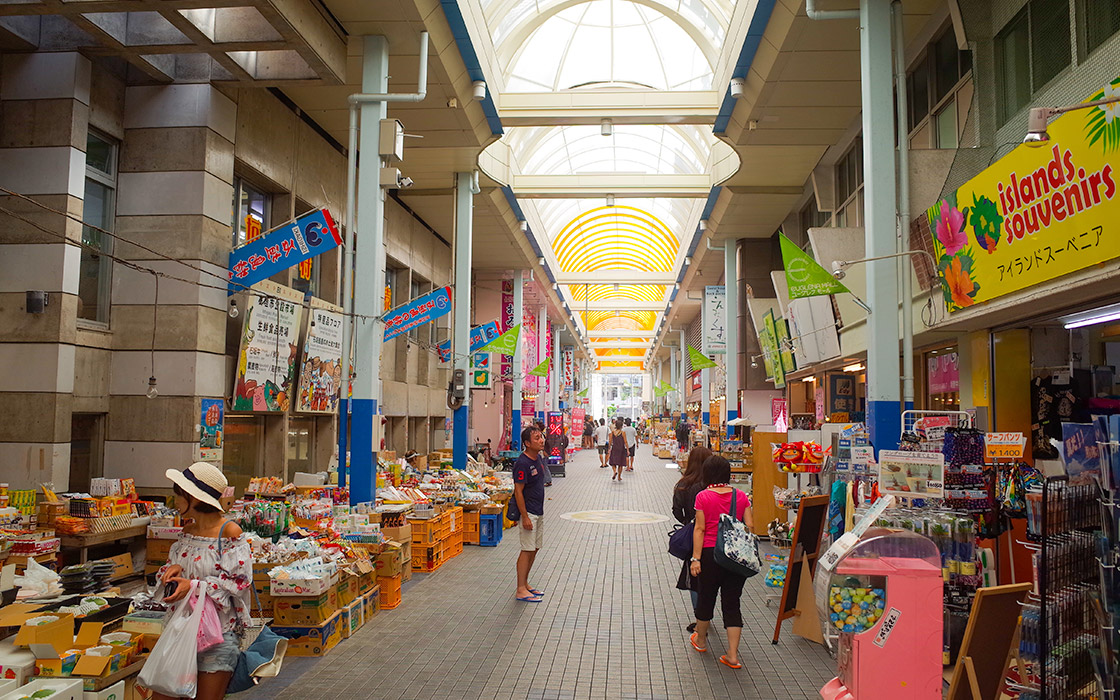
Euglena Mall, where Ishigaki City Public Market and many souvenir shops are located.
Euglena Mall, the island's only covered shopping arcade, is lined with numerous souvenir shops and restaurants. The Ishigaki City Public Market is located near the center of the mall. The shopping street originated as a fish market in the Meiji era, which later became the public market. The public market is currently undergoing renovations and is scheduled to reopen in the spring of 2021.
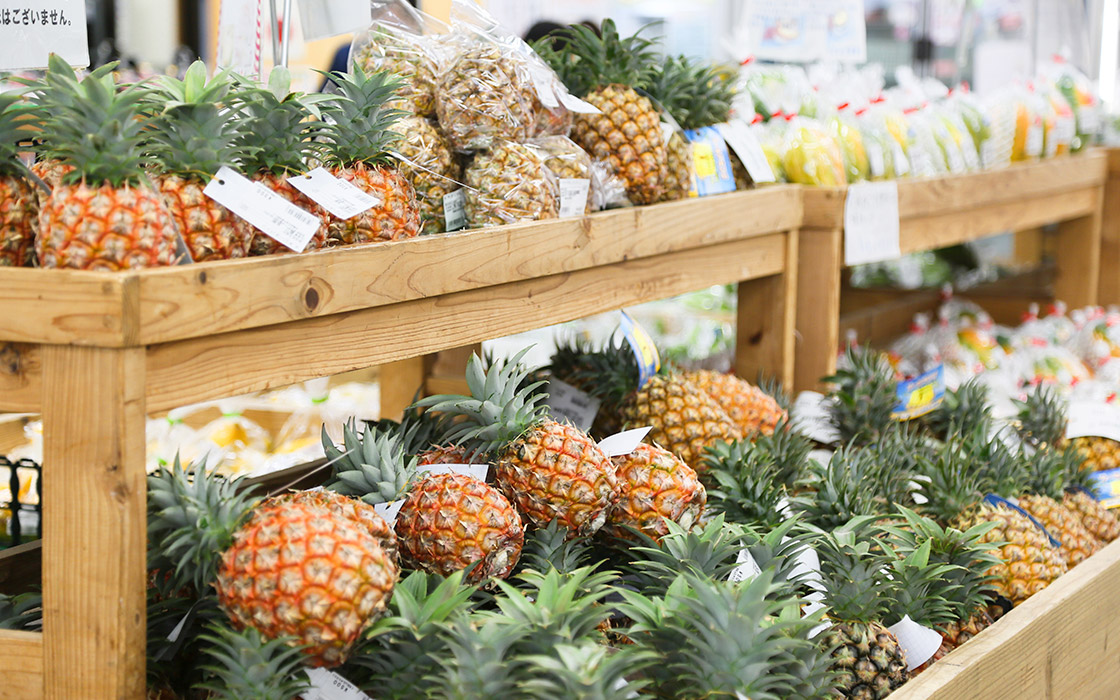
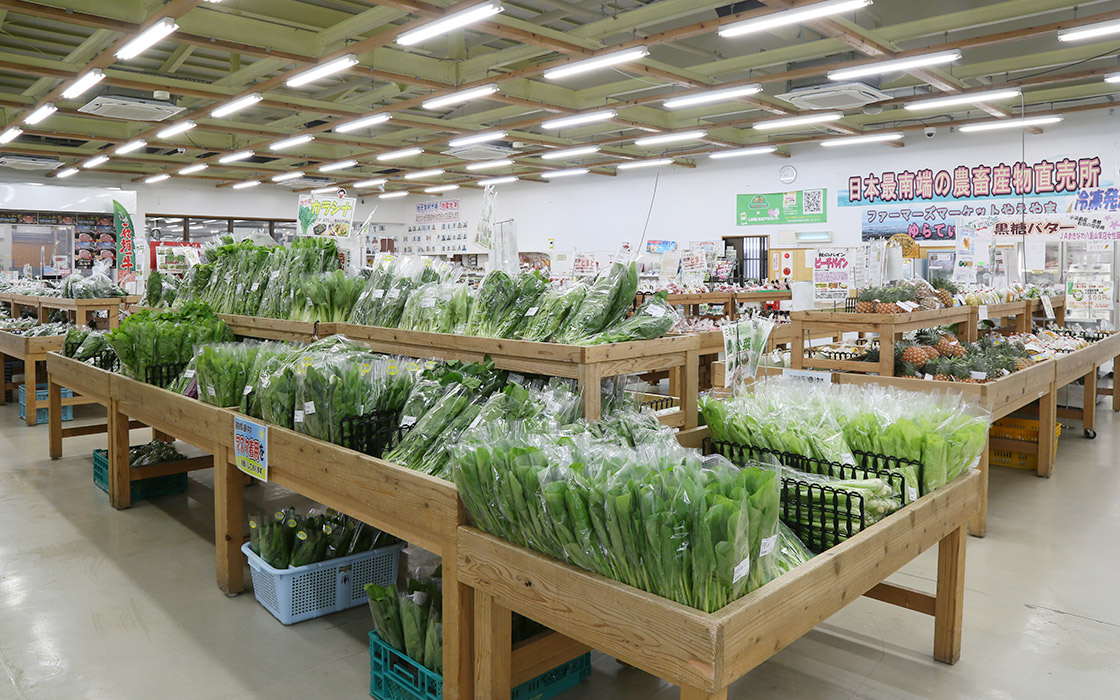
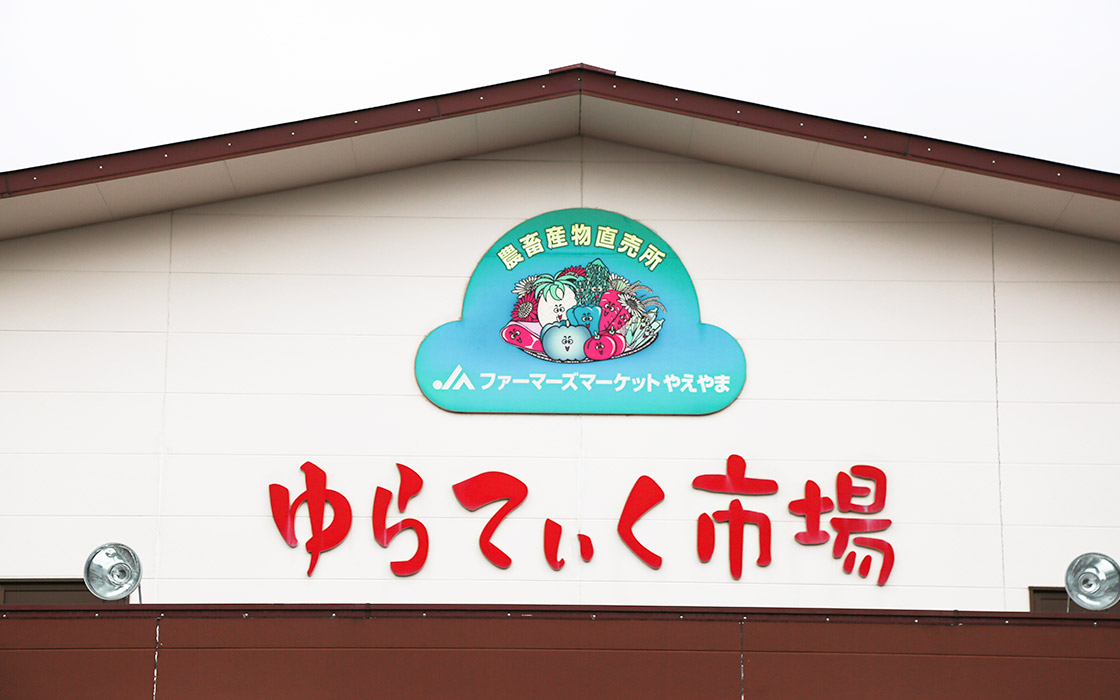
Lots of fresh ingredients from the island! JA Farmers Market Yaeyama Yuratik Market
This farmers market, run by the agricultural cooperative (JA), offers fresh vegetables and fruits harvested daily. "Yuratik" means "come on over" in the local dialect. You'll find a wide variety of delicious island produce, including vegetables carefully grown by numerous producers, as well as meat, fish, rice, flowers, processed foods, and prepared dishes. There are also many unusual ingredients unique to southern islands, making it interesting just to browse.