
Oritoori - Ishigaki City Official Tourism Information Website
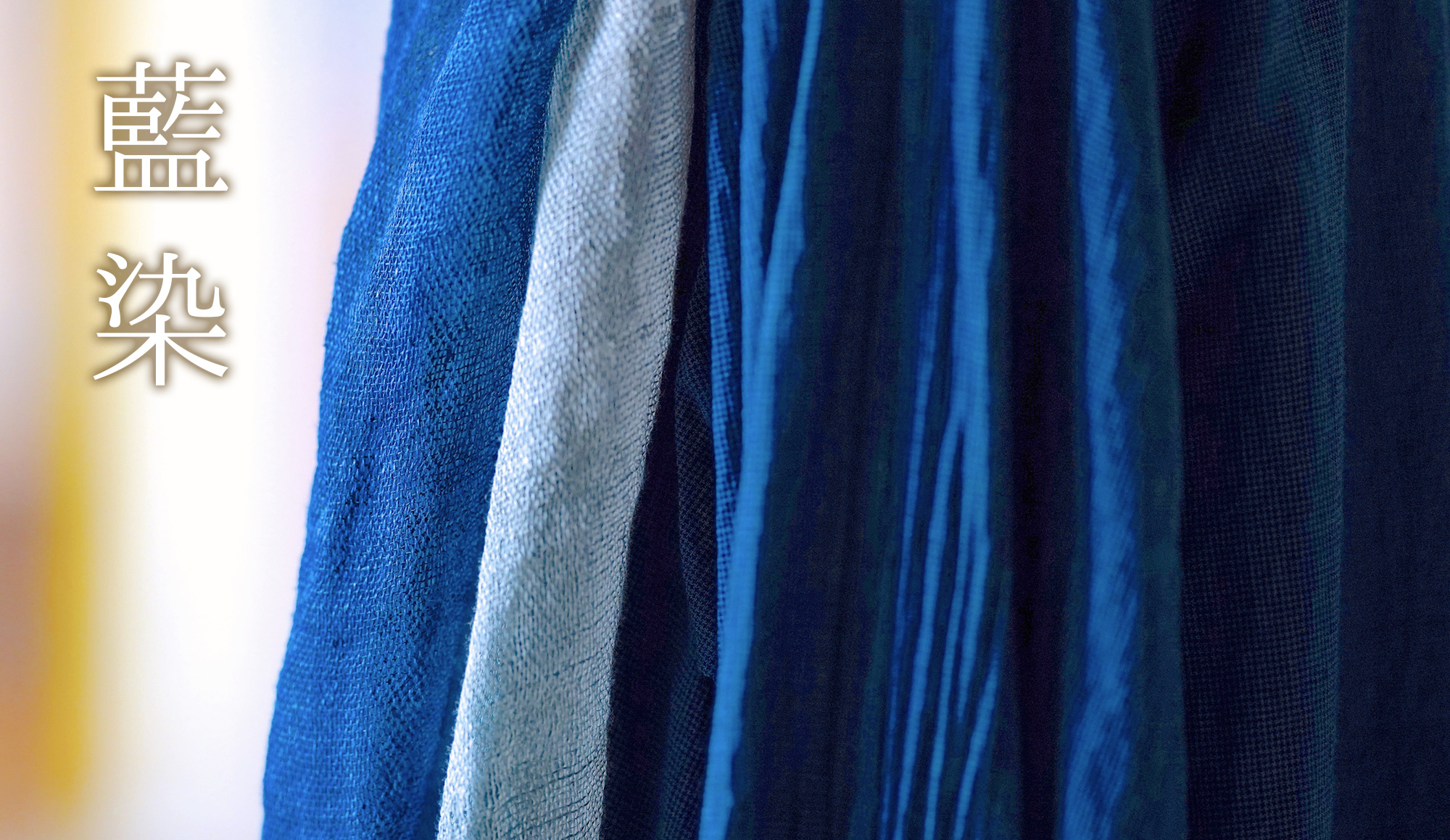
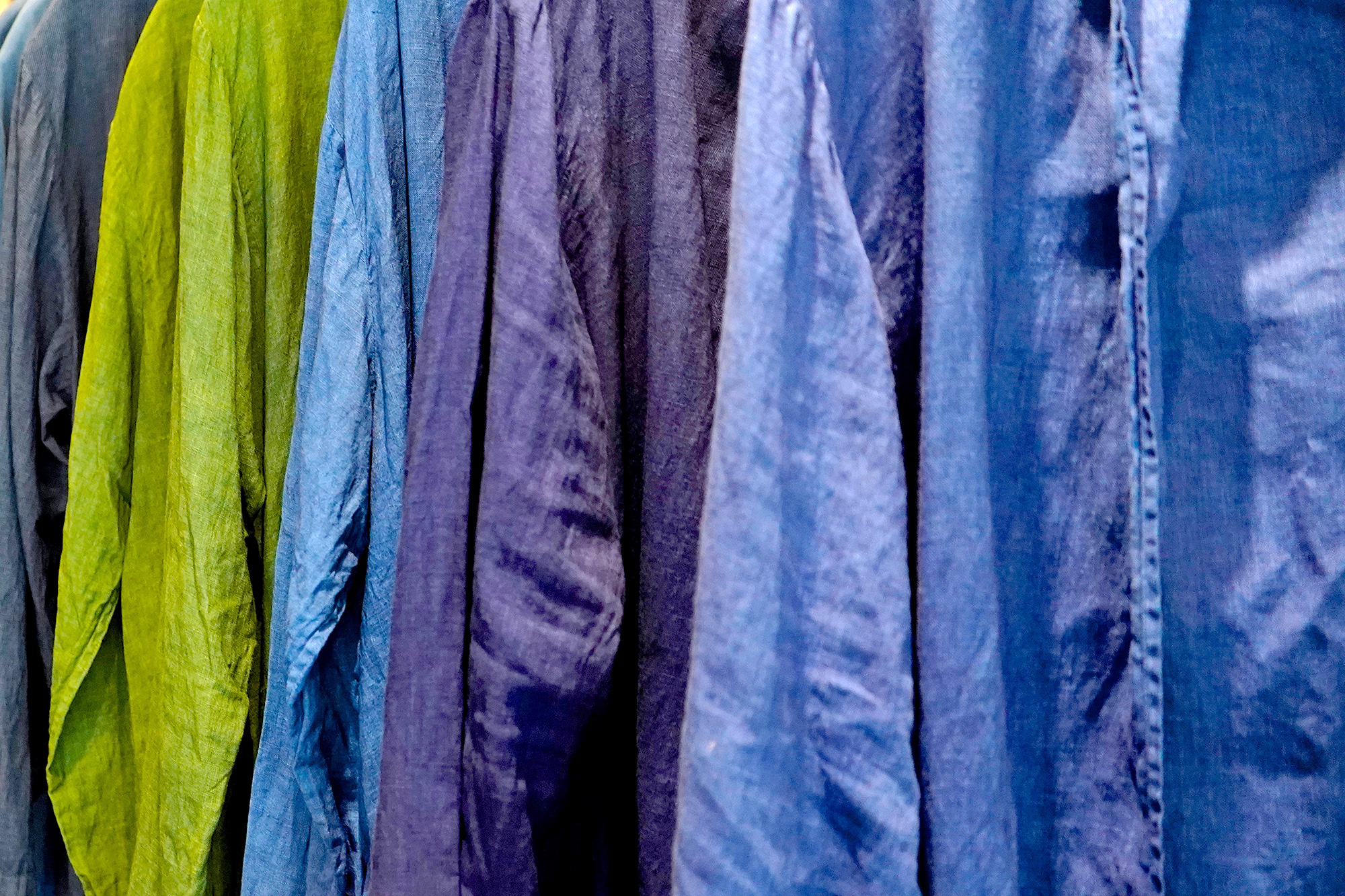
In the Yaeyama Islands, two types of indigo plants belonging to the legume family are cultivated, and indigo dye is produced using these plants. This dye has been passed down through generations, primarily used to color textile threads. Currently, the indigo produced in this region is called "Yaeyama Indigo," and its color, reminiscent of the night sea and sky of the southern islands, evokes a quiet and mystical beauty.
Shima Ai Farm, an indigo dyeing workshop, cultivates and harvests the legume indigo plant "Indigofera tinctoria" in the natural environment of Ishigaki Island, processes the raw materials, and produces precipitated indigo. They use the precipitated indigo they have produced to carry out dyeing work throughout the year.
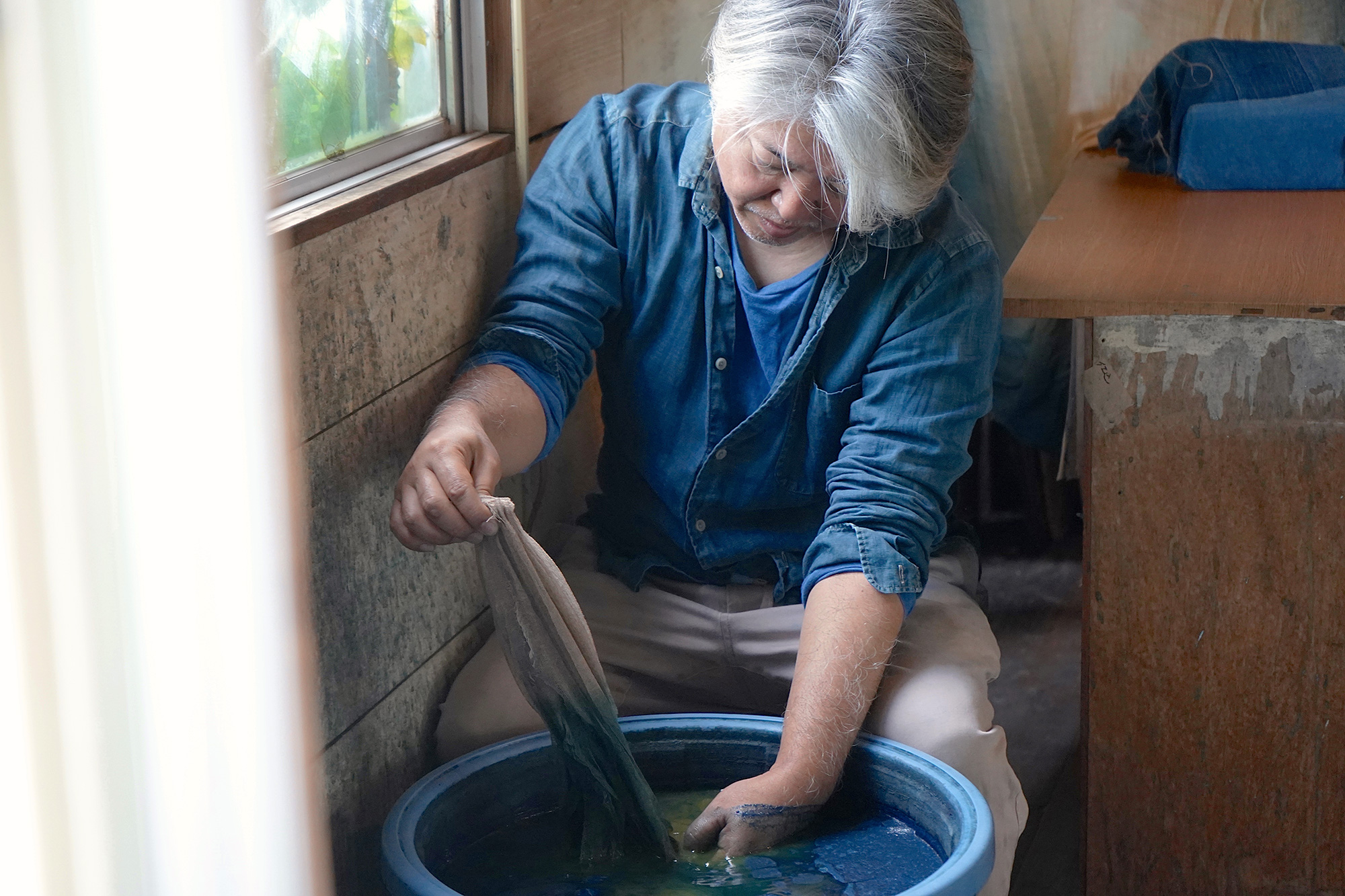
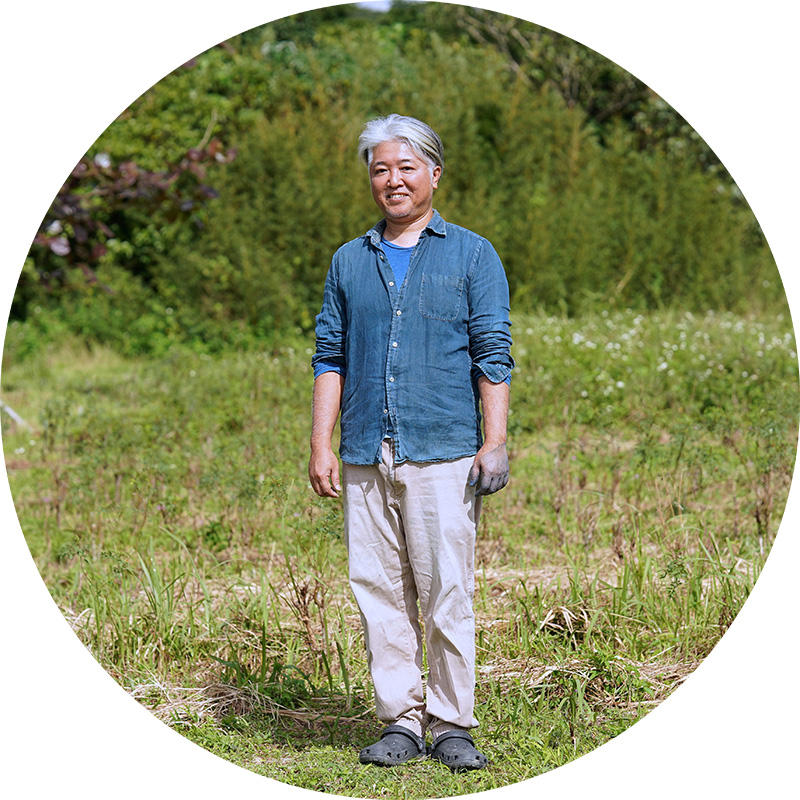
Tsuyoshi Ohama, the representative of Shima Ai Farm, grew up surrounded by the "Minsa weaving" that his grandmother and mother were involved in. After graduating from elementary school, he left Ishigaki Island and went to Nagasaki and Tokyo to graduate from junior high and high school. He then studied dyeing and weaving at a junior college in Kyoto and returned to Ishigaki Island at the age of 26.
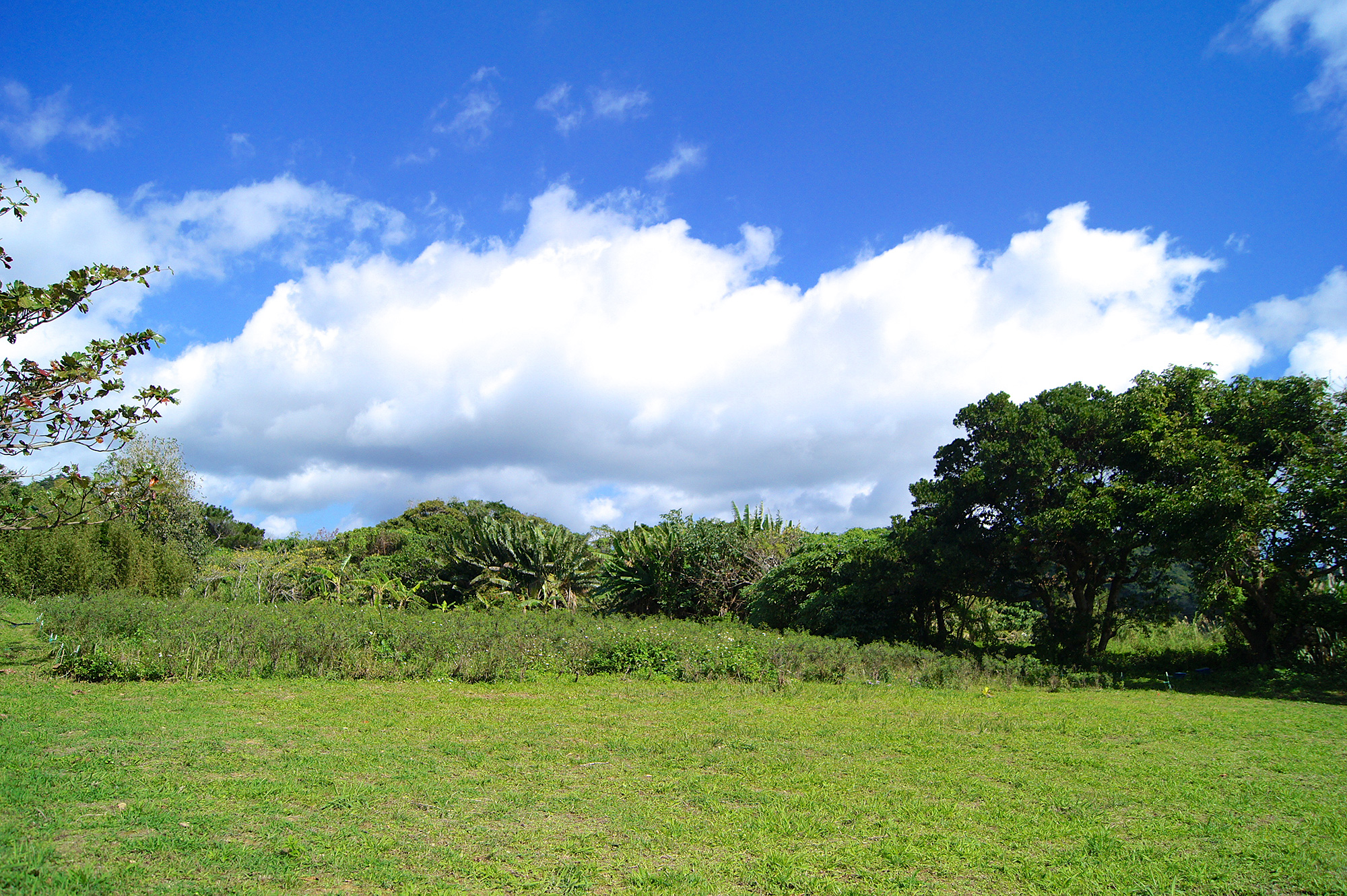
Aibatake
While exploring "craftsmanship that can only be done here," Ms. Ohama encountered various natural fibers and dyes from the island. This led her to decide to revitalize the island's indigo dyeing tradition, which was on the verge of extinction. In 2002, she acquired a field and opened "Shima Ai Nouen" (Island Indigo Farm), a small indigo dyeing workshop where she handles everything from cultivation to dyeing.
"Everything went smoothly from my first encounter with the field to opening the farm. It was as if I was being guided by something, as if I was being encouraged to do what I needed to do. Looking back now, it's very strange," said Ms. Ohama with a smile, her hands stained indigo.
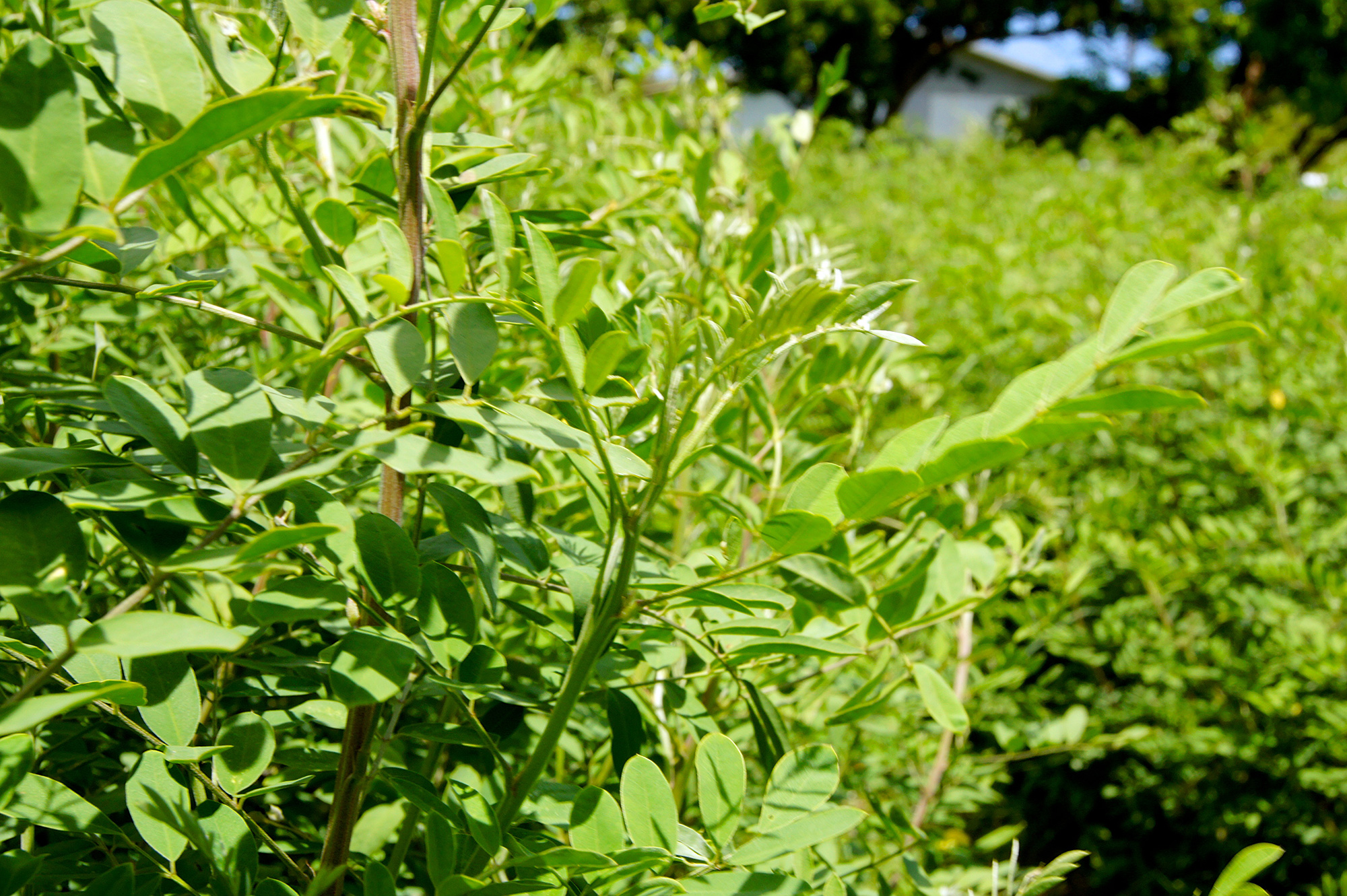
The work at Shimaai Farm begins with cultivating indigo plants in the island's abundant natural environment without using chemical fertilizers or pesticides.
Leaves of Indigofera tinctoria
We mainly harvest Indigofera tinctoria during the summer months from May to October to make precipitated indigo. This period also coincides with the time when many typhoons strike the Yaeyama Islands, a subtropical region, and in some years the harvest is reduced as a result. We dye and create our products every day, experiencing both joy and sorrow in harmony with nature.
"Living with the colors of nature may require a little extra effort at times, but it will surely lead to an improvement in your quality of life. We hope to help everyone maintain a healthy mind and body through the colors of nature."
The harvested branches and leaves are soaked in water. After soaking for a certain period of time, lime is added to the liquid in which the indigo pigment has dissolved and stirred. After letting it stand for a while, an indigo-colored precipitate will form at the bottom. When the supernatant is removed, an indigo-colored paste-like precipitate of indigo is obtained.
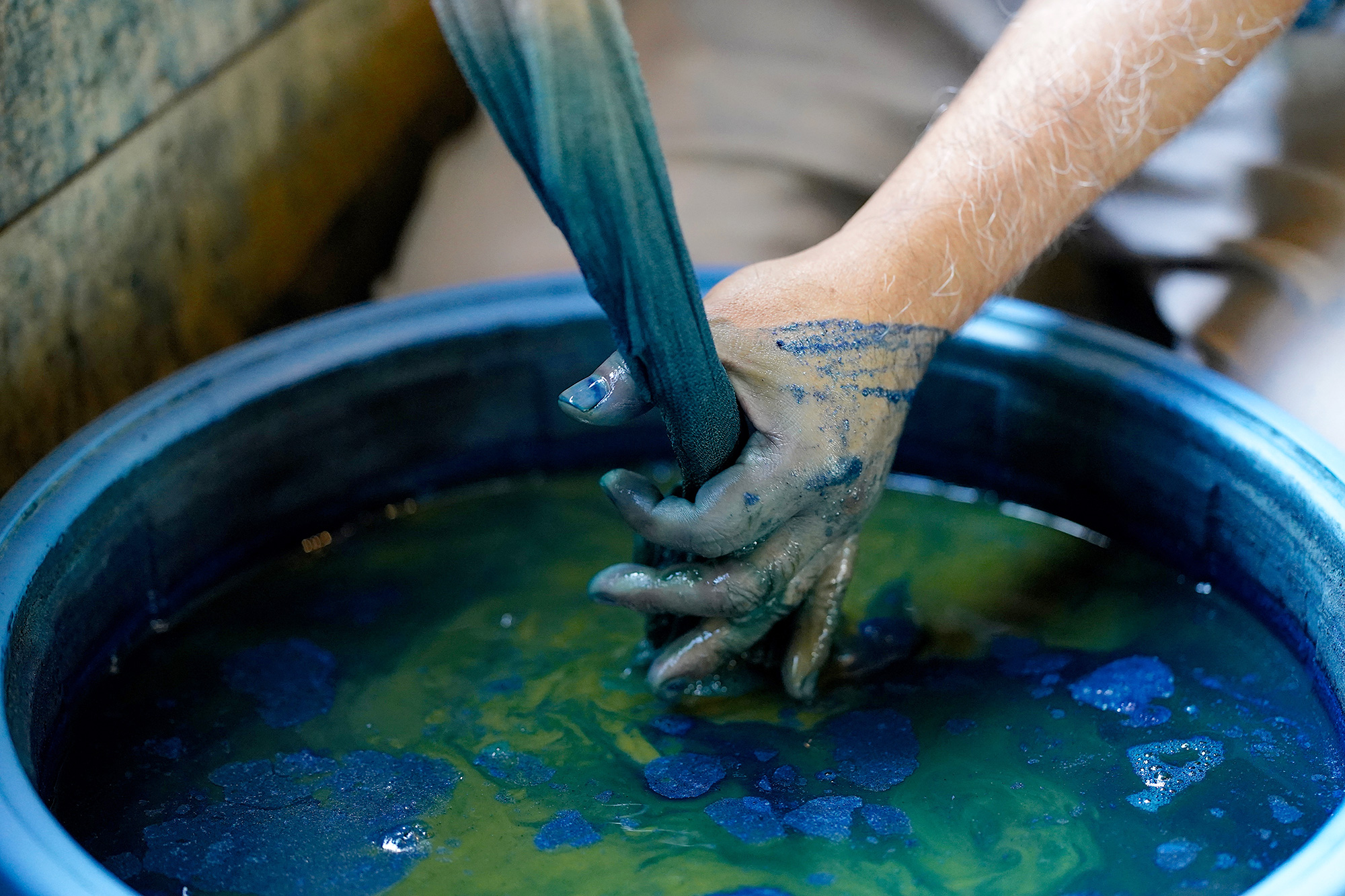
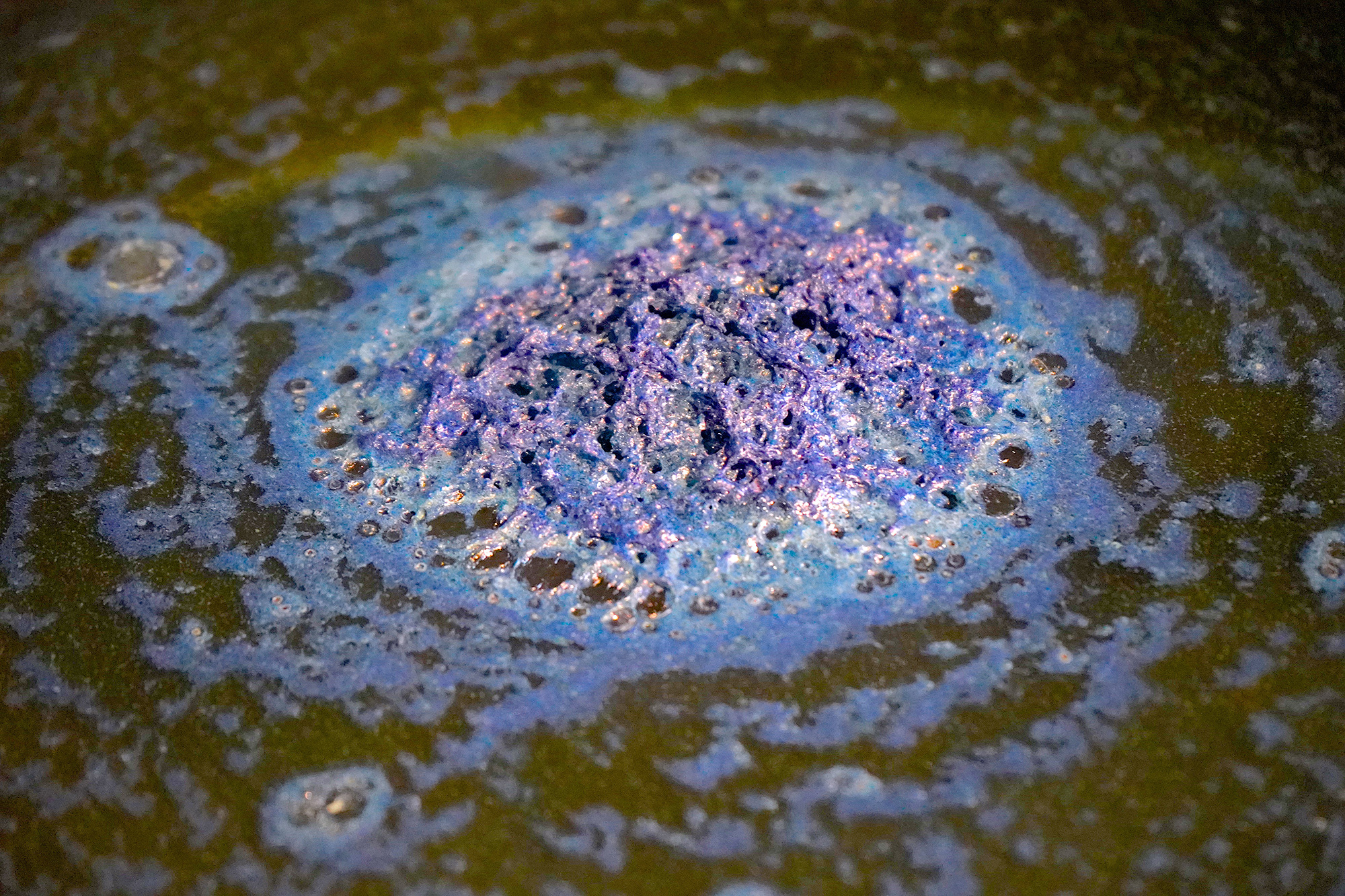
These bubbles are called "indigo blossoms" and serve as a barometer to assess the health of the dye.
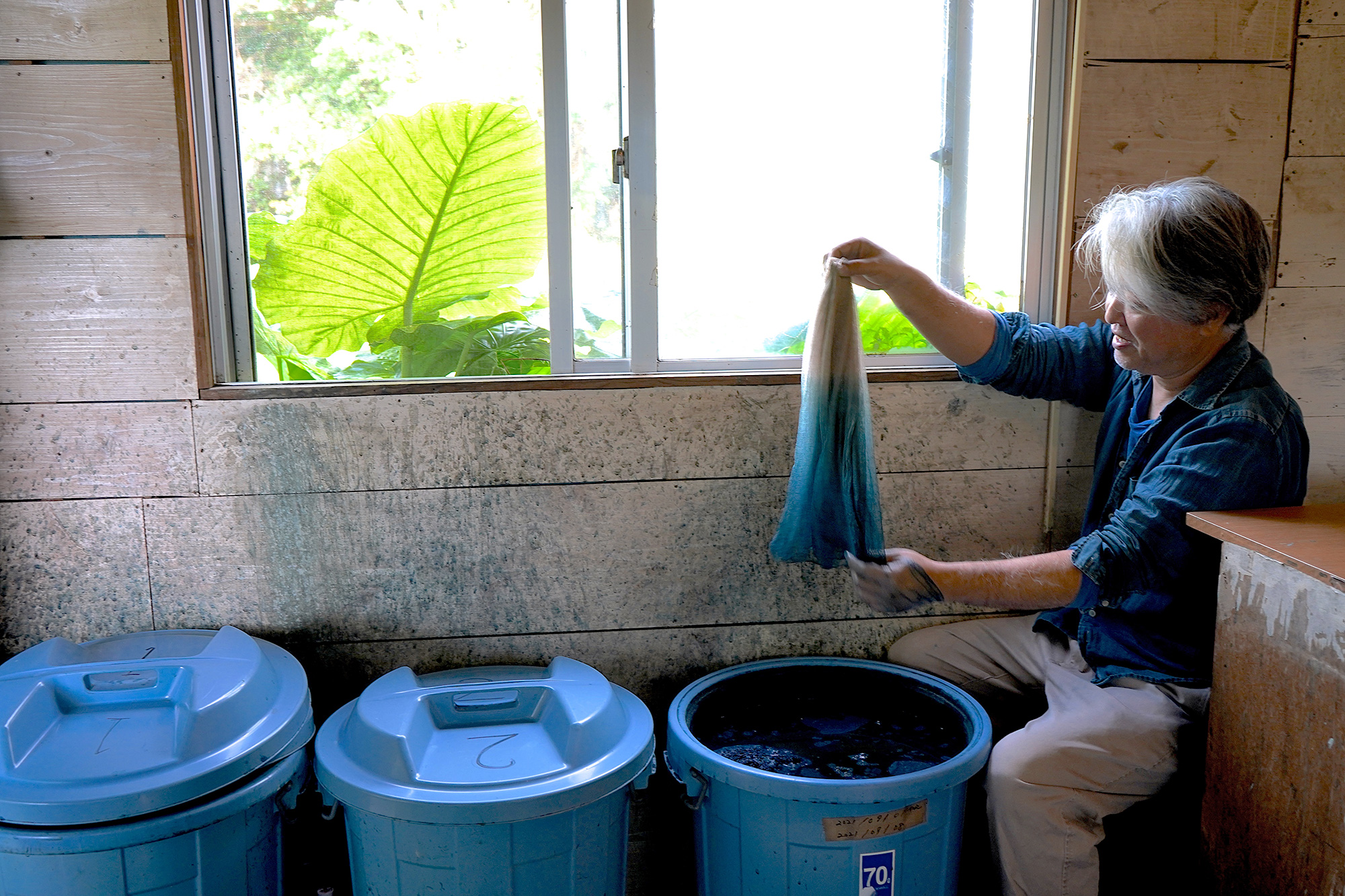
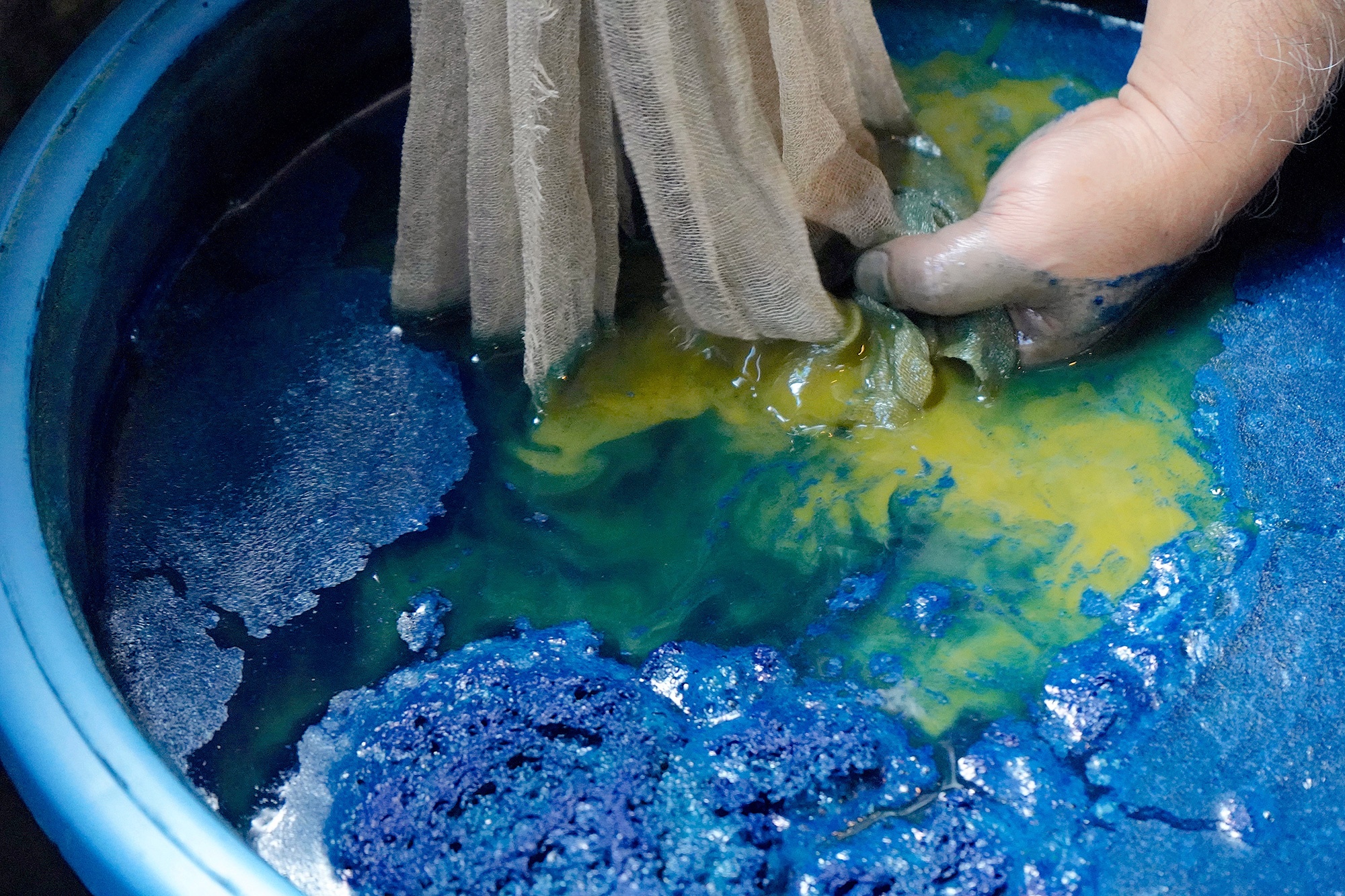
Using shell ash and wood ash as alkaline agents, we build the indigo dye reservoir through natural fermentation, and we carry out the dyeing process while observing the condition of the indigo dye daily. At Shima Indigo Farm, we are committed to using methods that do not involve the use of chemicals in order to preserve and coexist with the natural environment and to continue our work in a sustainable manner.
At some point, Yaeyama indigo began to be called "Indian indigo" (which is the name of an indigo dye imported from India <br /> and a trade name), and before long, it became confused with the name of the plant and was even introduced in botanical guides.
Concerned that "if we don't correct this mistake, people will mistakenly believe that we are using imported dyes, which will diminish the value of the indigo dyeing tradition that has been passed down on this island for generations," we held numerous discussions with local dyers and decided to name it "Yaeyama Indigo" to ensure that it would be properly promoted as a regional name going forward.
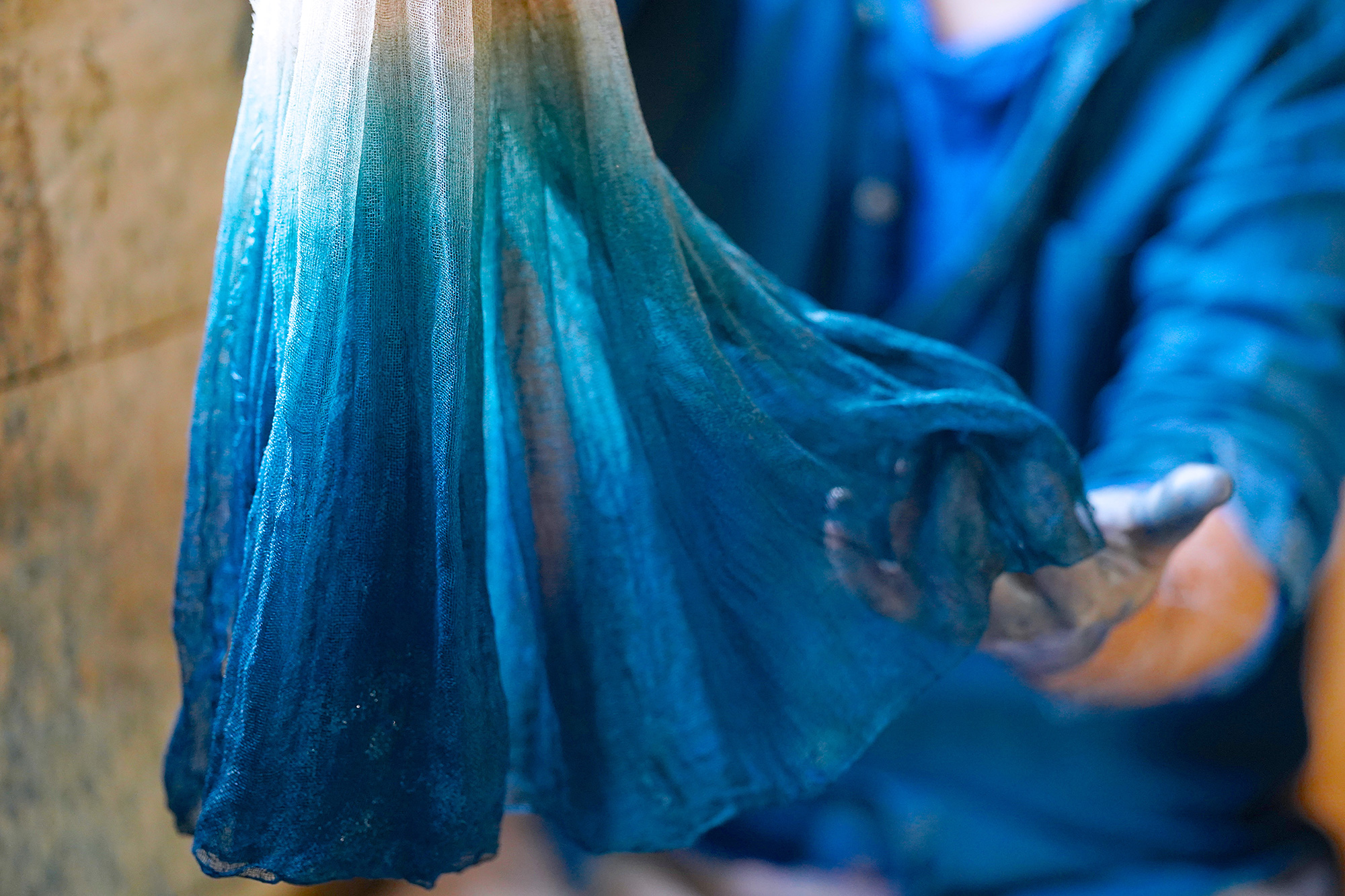
At Shima Ai Farm, they offer a service called "Konya Service" (UPCYCLE from White to Navy) where they re-dye used clothing with Yaeyama indigo, allowing it to be reused. This service makes it easy to incorporate indigo dyeing into your daily life and contributes to a sustainable lifestyle by upcycling used clothing, making it a service suited to modern times.
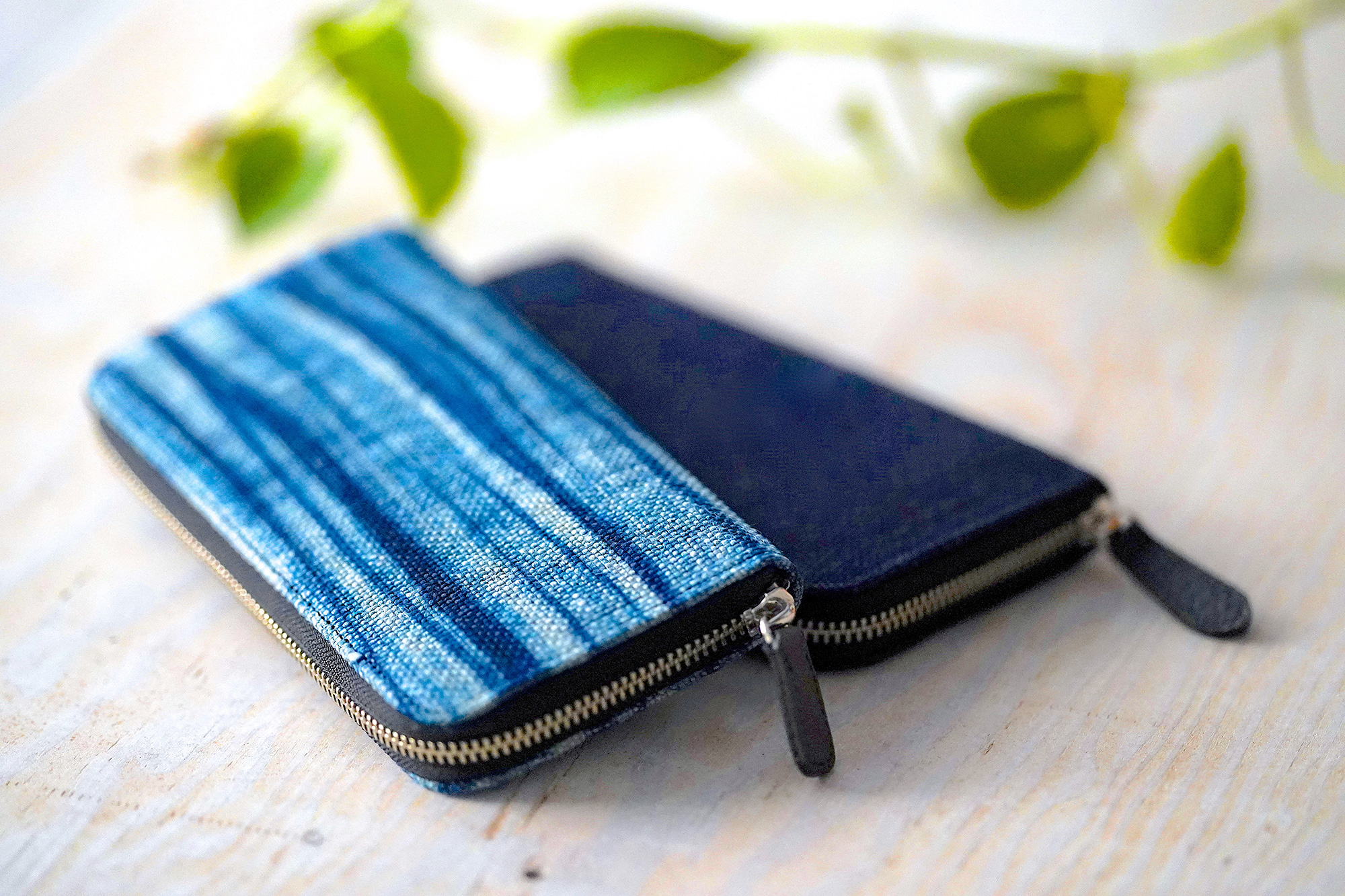
At Shima Ai Farm, in addition to clothing and scarves, you'll find a variety of indigo-dyed items that blend seamlessly into your daily life, such as bags, wallets, and keychains.
Indigo-dyed wallet
"With the intention of 'continuing this work for a lifetime,' my future goal is to prove my belief that 'indigo dyeing (indigo color) is necessary for people to be truly human.' I believe there's a reason why indigo dyeing has continued to exist since 3000 BC, and I believe there's something essential for humanity contained within it."
profile
Tsuyoshi Ohama
Born in Ishigaki City in 1972.
From a young age, she grew up surrounded by "Minsā weaving," a craft her grandmother and mother were involved in.
After graduating from elementary school, she left the island and spent her middle and high school years in Nagasaki and Tokyo. After studying dyeing and weaving at a junior college in Kyoto, she returned to the island at the age of 26. In 2002, she acquired a field and opened "Shima Ai Nouen," a small indigo dyeing workshop where she handles everything from cultivation to dyeing.
I will dedicate my life to proving that "indigo dyeing (indigo color) is necessary for people to be truly human."