





Recommended food on the island

Oritori Ishigaki City Official Tourism Information Site
Surrounded by the sea and blessed with abundant natural beauty on land, Ishigaki Island is home to a wide variety of delicious foods.
Yaeyama soba noodles, Ishigaki beef, and traditional local dishes that have been enjoyed in homes for generations.
We've gathered together some things you absolutely must try when you visit Ishigaki Island.

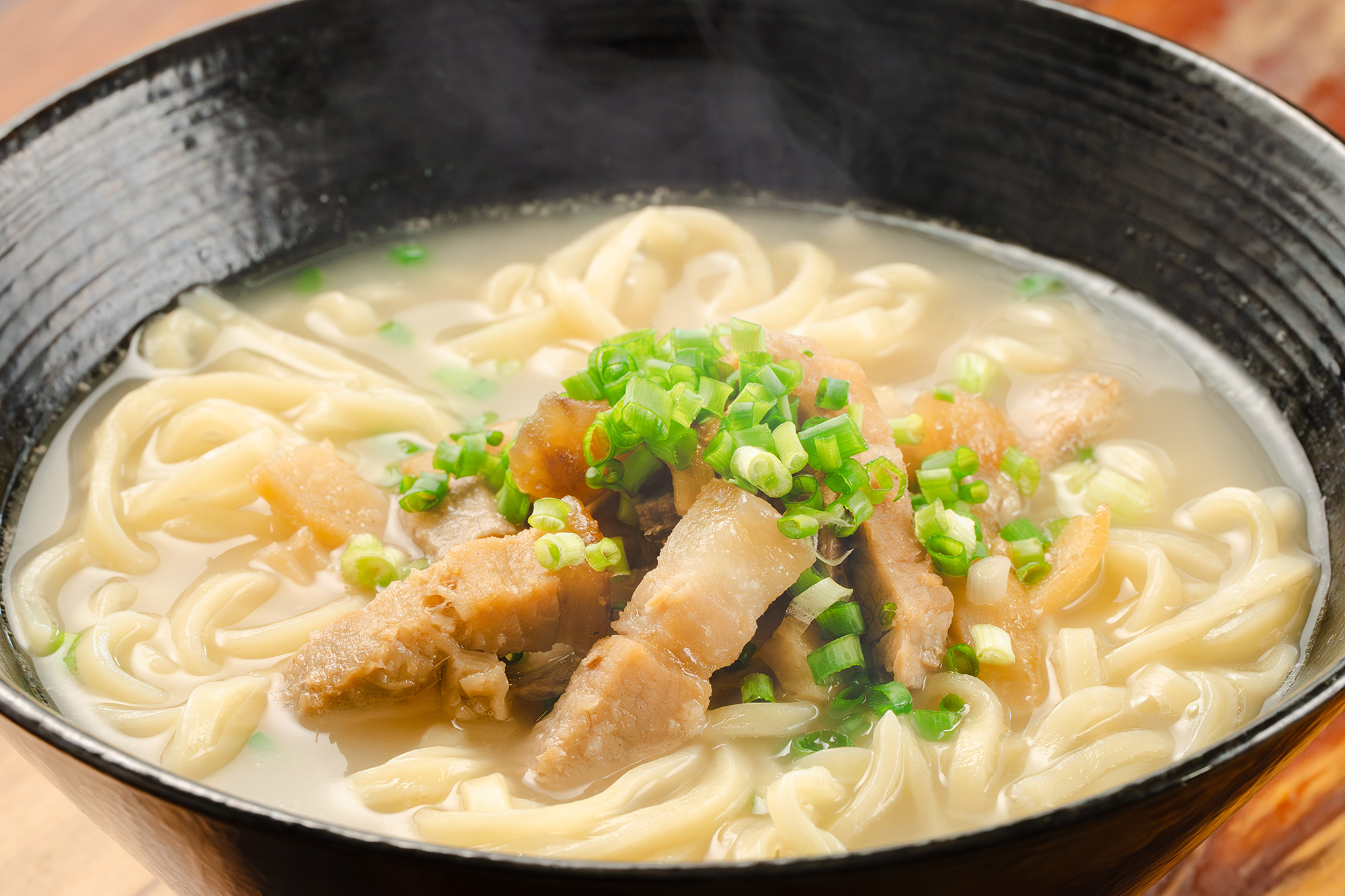
Yaeyama soba

On the island, if you just say "soba," you're not talking about Japanese soba, but Yaeyama soba.

Okinawan soba noodles are made from wheat flour, and the soup is made with broth from bonito or pork bones. While there are variations throughout the prefecture, the standard toppings for Yaeyama soba are thinly sliced pork seasoned with a sweet and savory sauce, Yaeyama kamaboko (fish cake), and island green onions. Yaeyama soba noodles come in both flat and round varieties, and many islanders have a clear preference for one over the other.

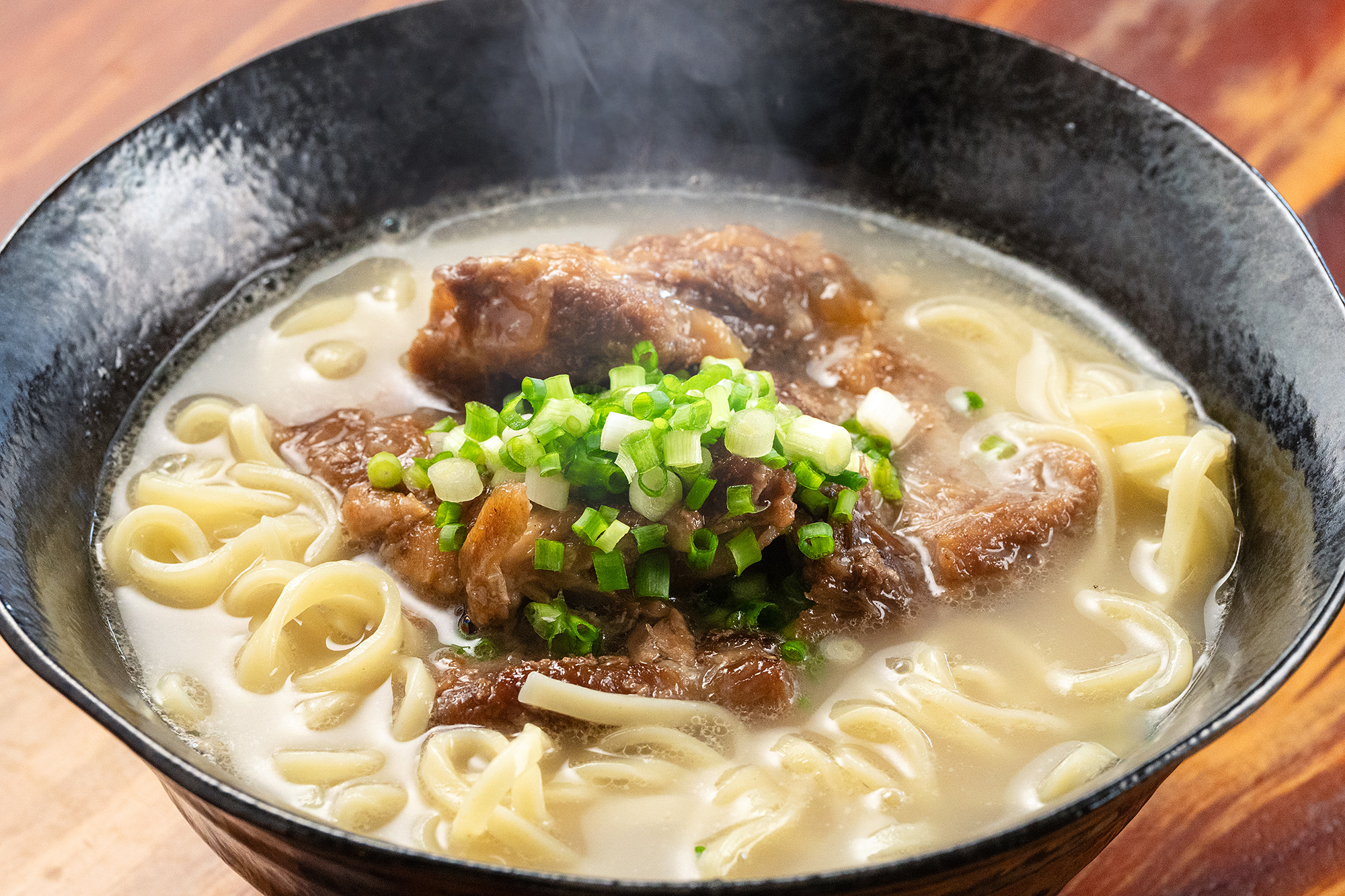
Soft bone pork rib soba

A generous portion of tender, fall-off-the-bone pork ribs.

Soba noodles topped with large pieces of pork ribs (soki) that have been simmered slowly. On the tables of soba restaurants and diners, you will always find powder made from the berries of the island pepper plant called "pipachi" and "koregusu," which is made by soaking island chili peppers in awamori (Okinawan rice liquor), and you can add them to your liking.

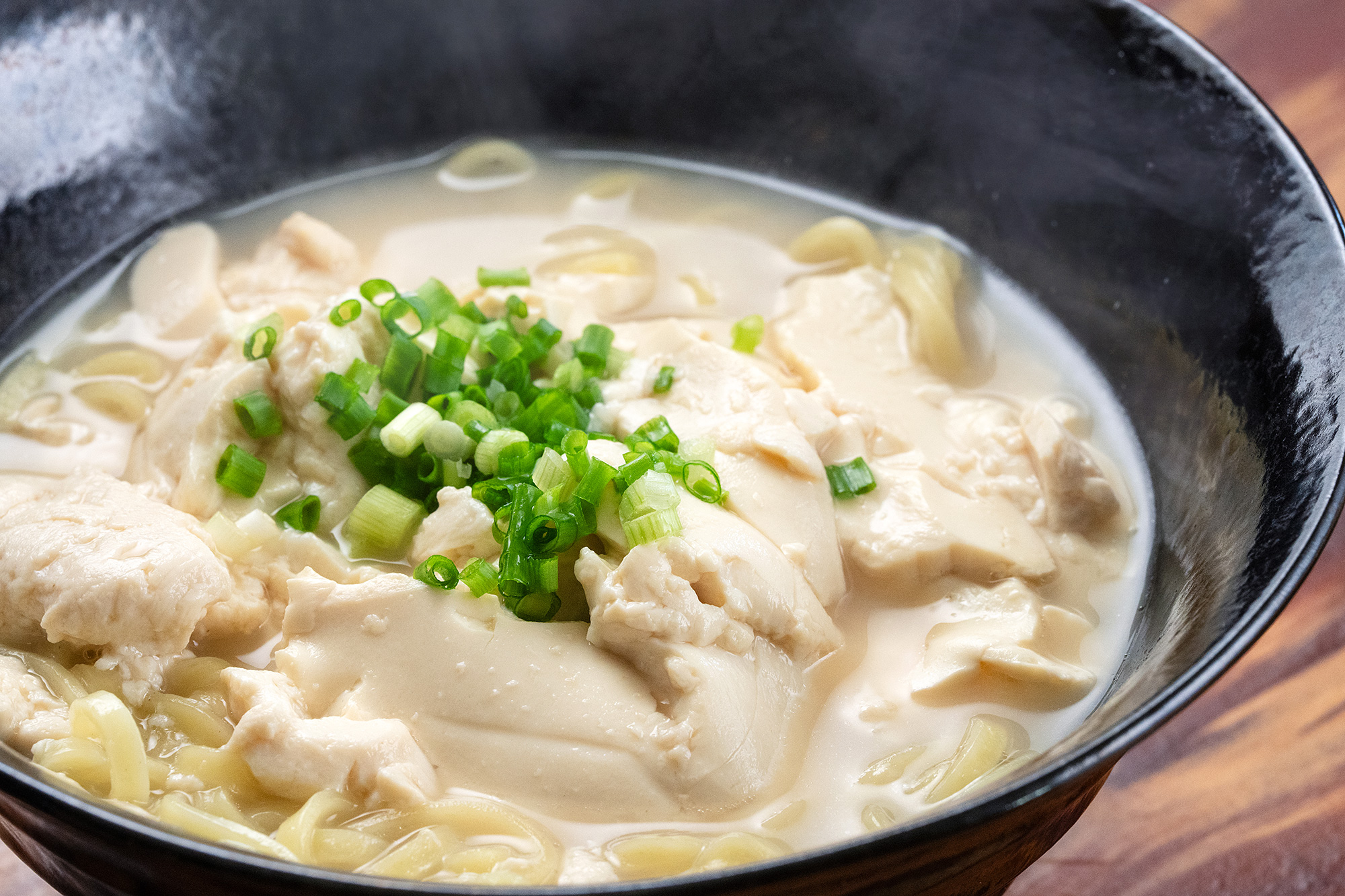
Yushi Tofu Soba

Gentle soba noodles with plenty of yushi tofu

One of the staples on the various soba menus is Yushi Tofu Soba, which consists of Yaeyama soba noodles topped with plenty of yushi tofu. The soft, fluffy tofu with its gentle flavor goes very well with the noodle soup. Currently, tofu is made daily at three tofu shops on Ishigaki Island.

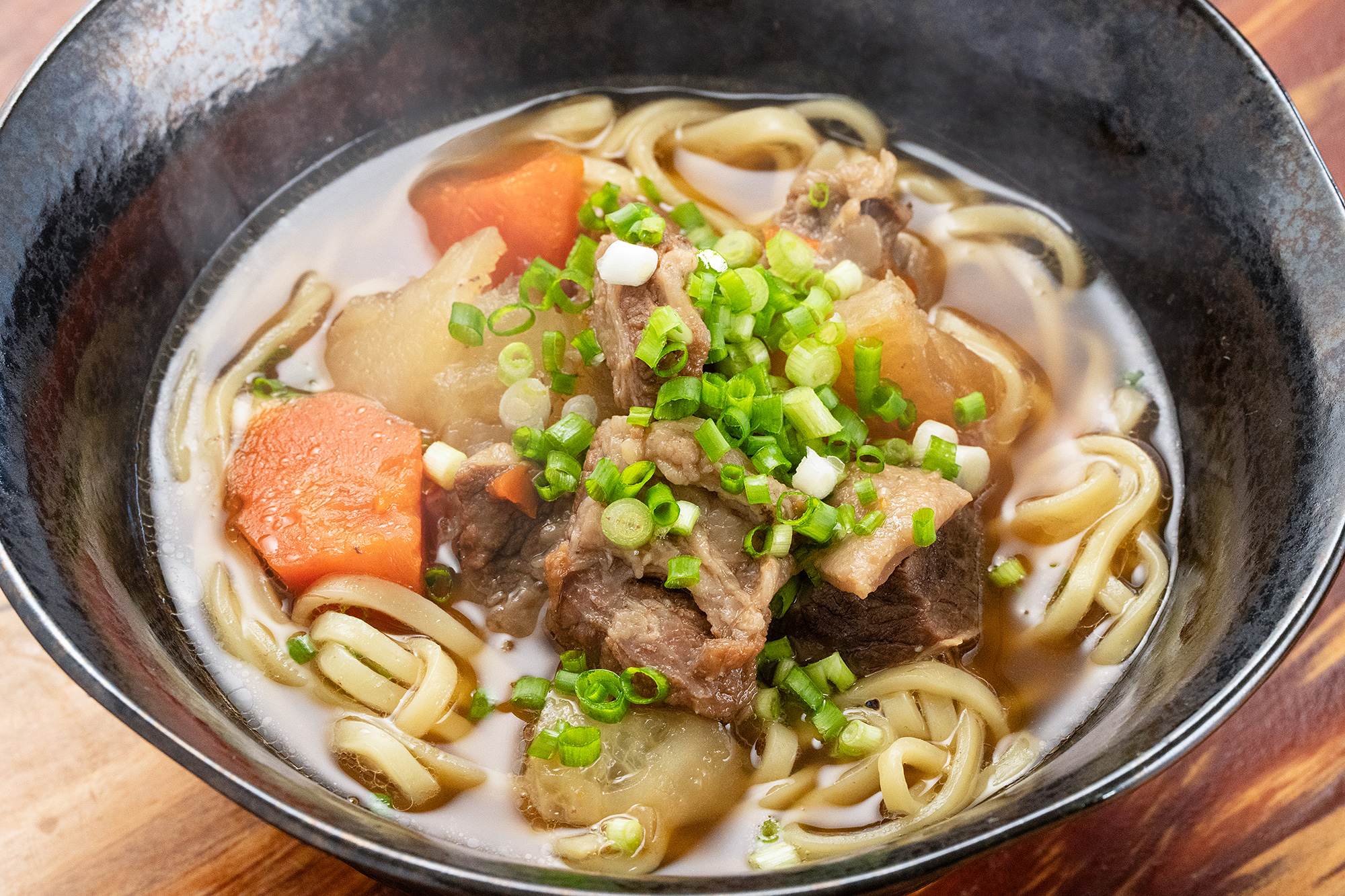
Beef Soba

A popular soba dish topped with generous chunks of beef.

Beef soba noodles are made by simmering beef and beef bones for a long time, resulting in a rich broth. The toppings include large chunks of vegetables such as daikon radish, carrots, and winter melon, as well as kelp. Beef soup, which is eaten with white rice instead of noodles, is also popular. Beef soba and beef soup are often cooked in large pots and served outdoors on celebratory occasions.

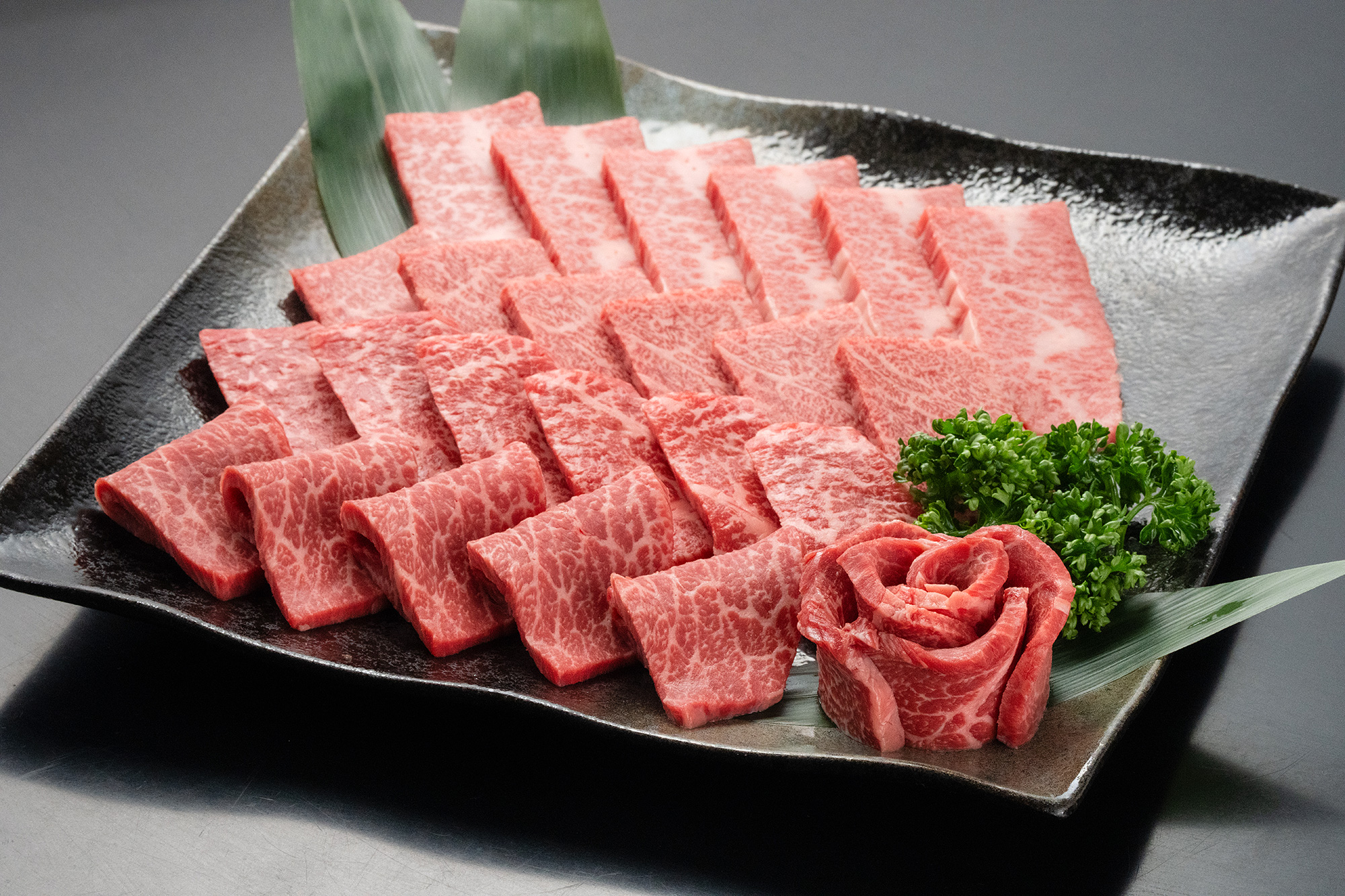
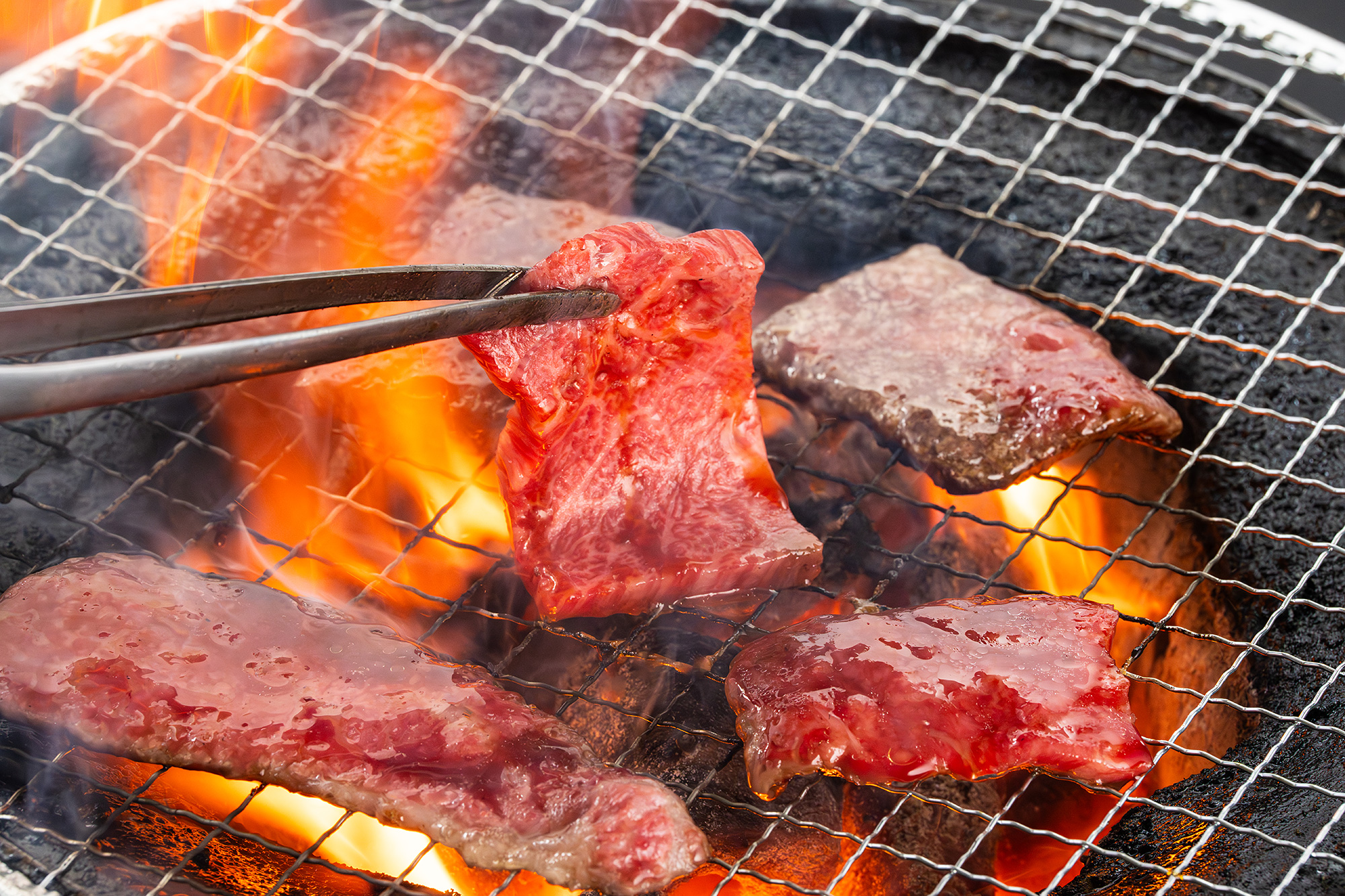
Ishigaki Island beef yakiniku

Wagyu beef raised on the island, served as yakiniku (Japanese barbecue).

In recent years, Ishigaki Island has become a popular brand of beef, and high-quality Japanese Black cattle are raised here. Raised on the warm climate of Ishigaki Island, where cattle graze on pastures enriched with minerals from the sea breeze, the meat is tender, sweet, and has a well-balanced flavor with just the right amount of fat. It's perfect for steaks or sushi.

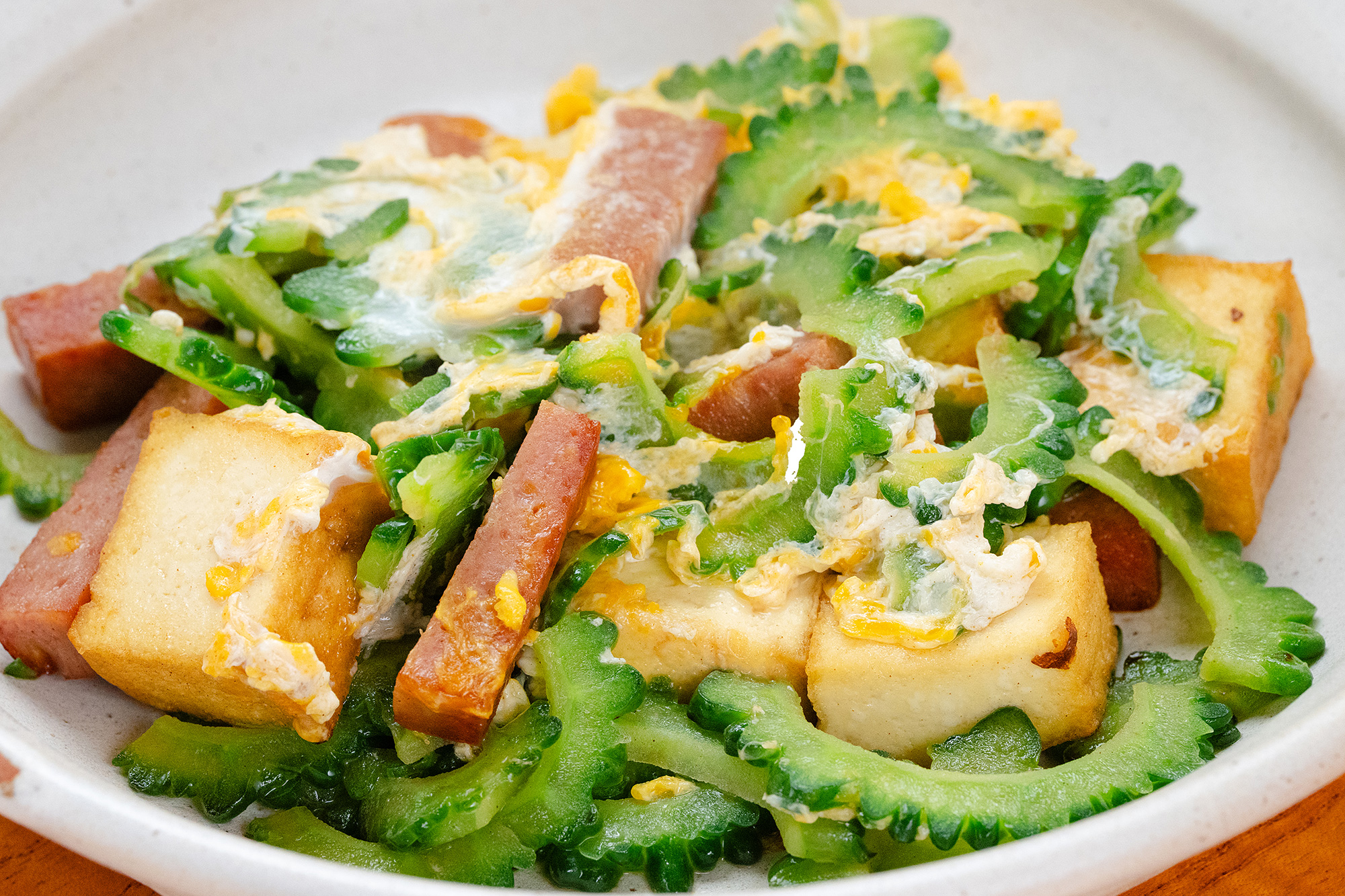
Goya Champuru

A stir-fry featuring the delicious bitterness of bitter melon, a representative ingredient of Okinawan cuisine.

Champuru means "stir-fry." It's made by quickly stir-frying bitter melon (goya) cut to your preferred thickness, eggs, canned pork or pork, and Okinawan tofu over high heat, then seasoning with salt and soy sauce. Many restaurants also top it with bonito flakes. Incidentally, it's called "goya" in the Okinawan dialect and "goya" in the Yaeyama dialect.

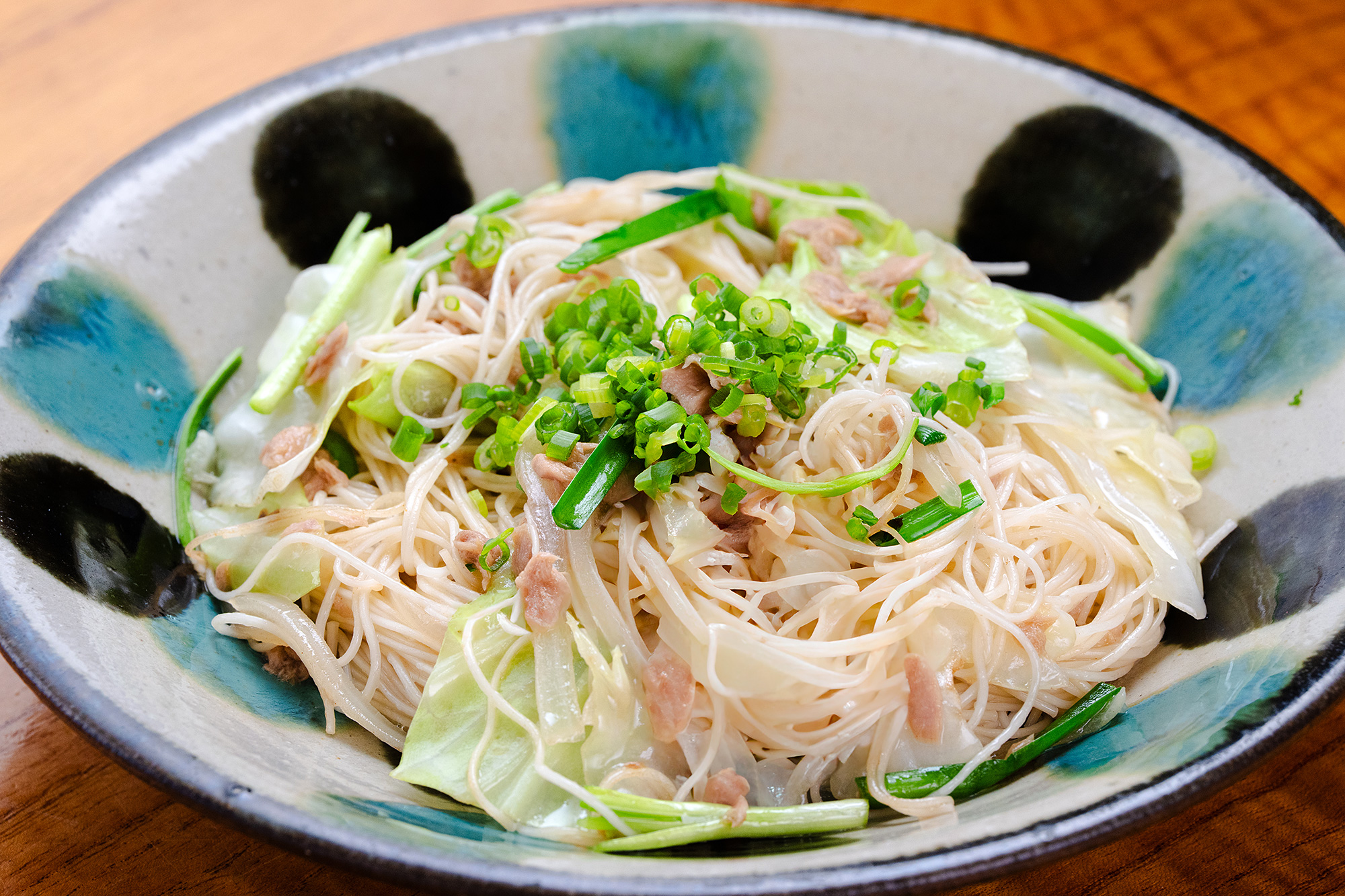
Somen Champuru

A simple dish using somen noodles.

Somen champuru is a dish of quickly stir-fried boiled somen noodles. The boiling time and stir-frying method are important to prevent the noodles from becoming soggy. Many versions are very simple, using only somen noodles, canned tuna, and a little Okinawan leek. Some households and restaurants add cabbage or carrots, or stir-fry with sesame oil. It is often made when people can't go shopping due to typhoons.

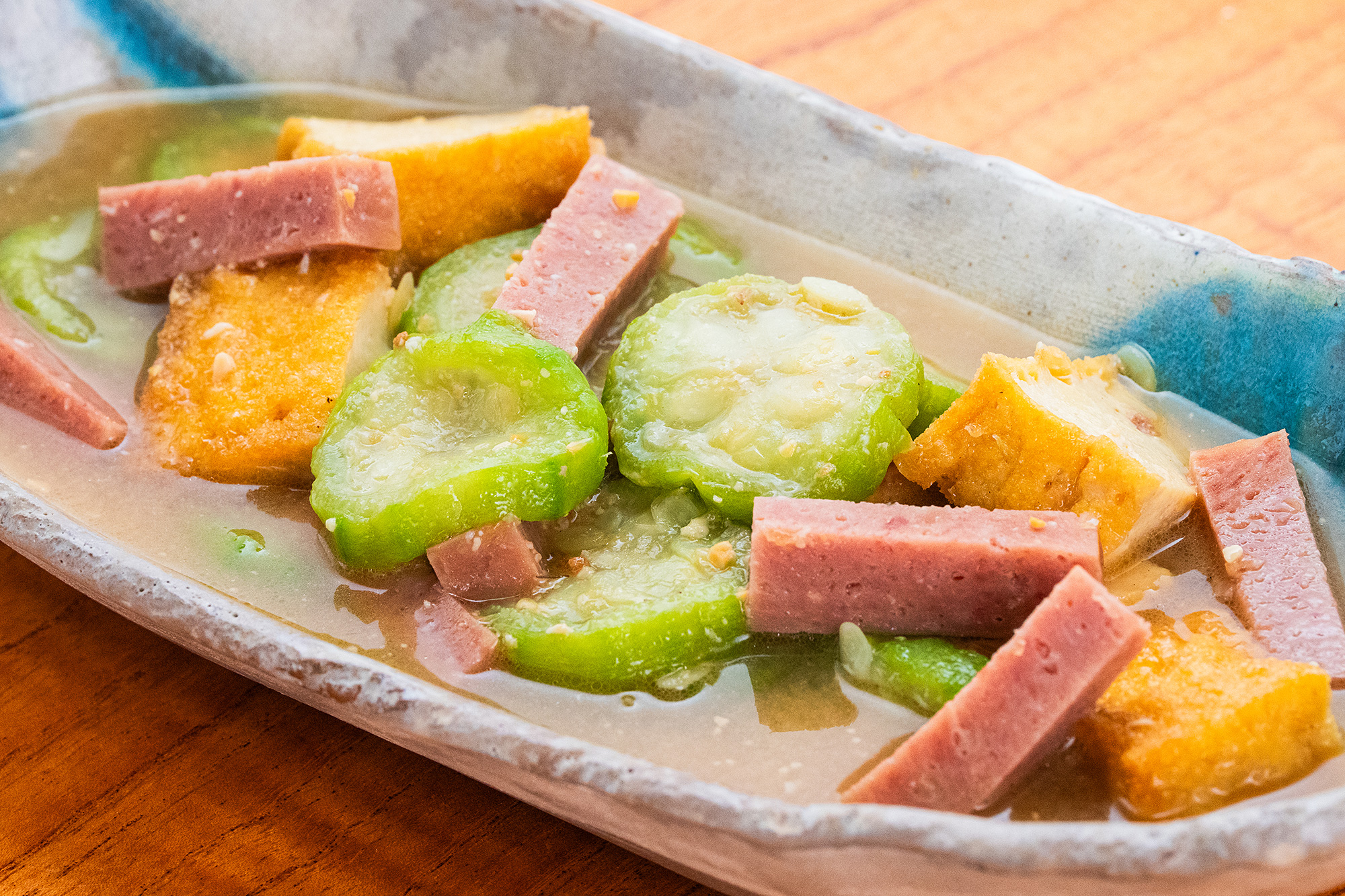
Naberanbushi

Classic dishes using loofah

In Okinawa, they often eat nabera. Nabera means loofah, and nbusī means stir-fried with miso. The nabera is peeled and sliced thickly, then stir-fried with canned pork or tuna, or pork and Okinawan tofu in plenty of miso. The nabera thickens the mixture, giving it a mellow flavor.

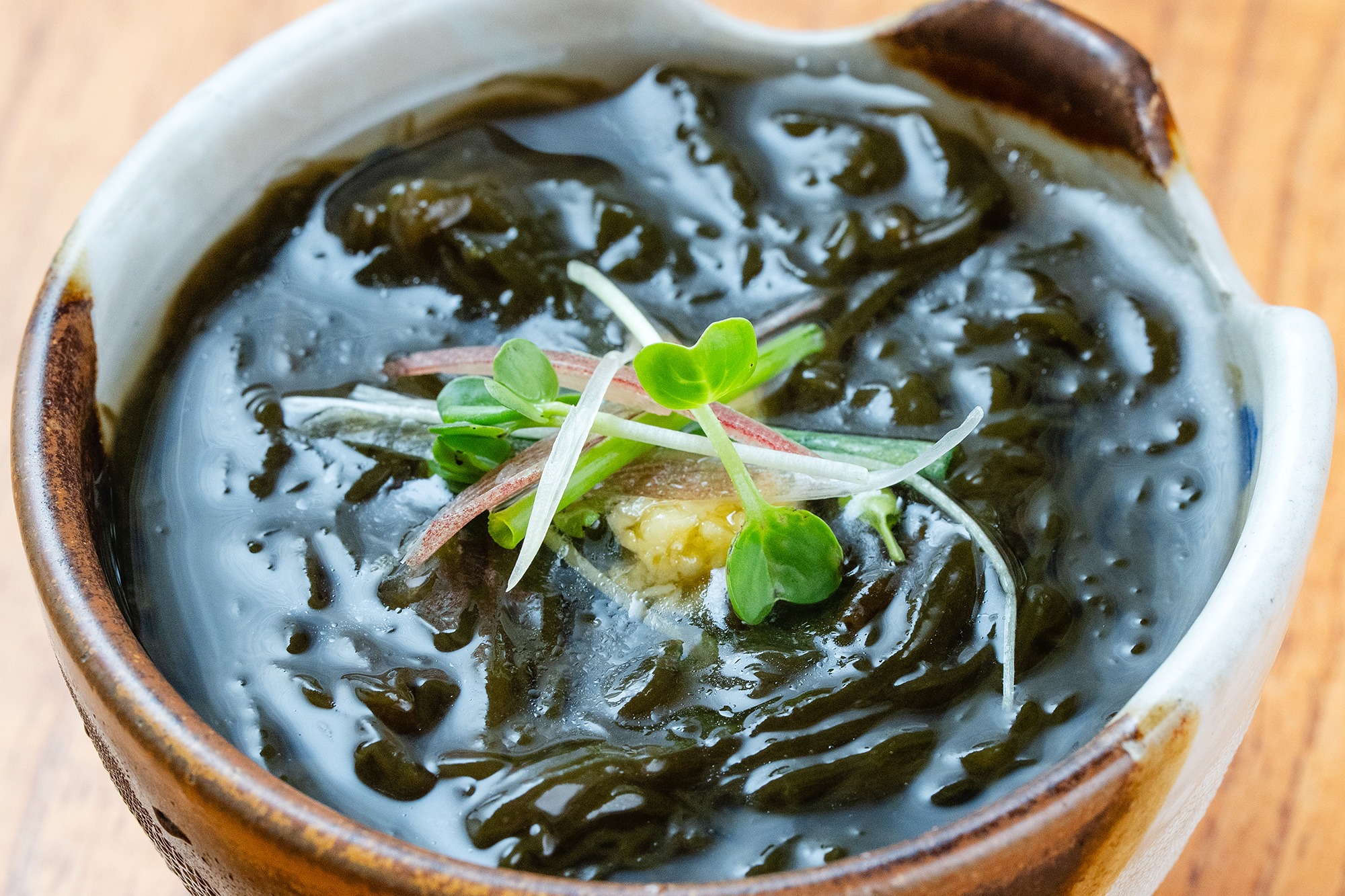
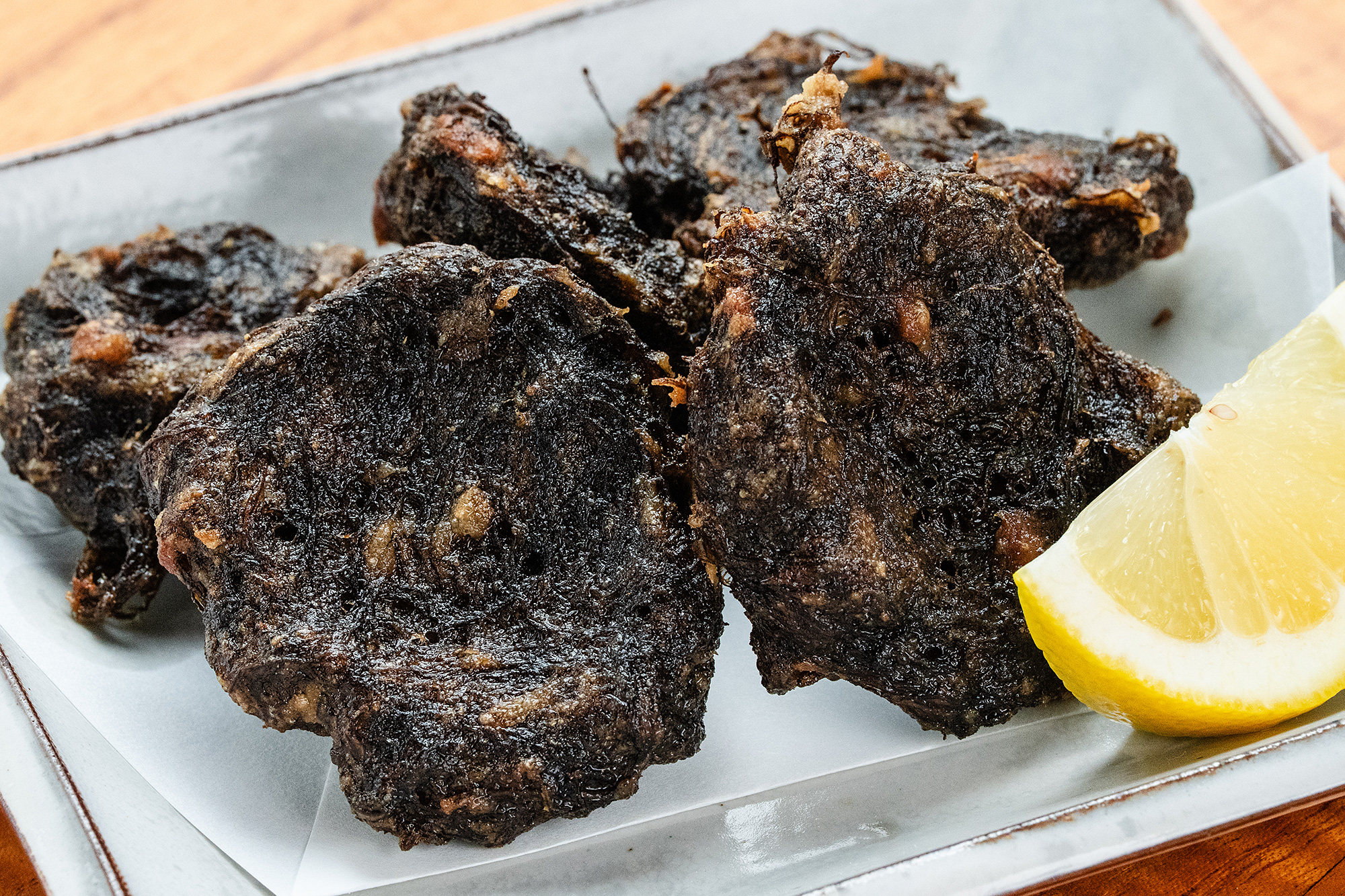
Mozuku seaweed salad & Mozuku seaweed tempura

Enjoy the bouncy, fresh mozuku seaweed in a vinegared dish or as tempura.

Besides the classic way to enjoy mozuku seaweed, which is in a vinegared dish, in Okinawa it's also often deep-fried and eaten with salt. The peak season is from March to April, and fresh mozuku is available during this time. Some restaurants serve it with noodle dipping sauce like somen noodles, or it's included in soups and miso soups.

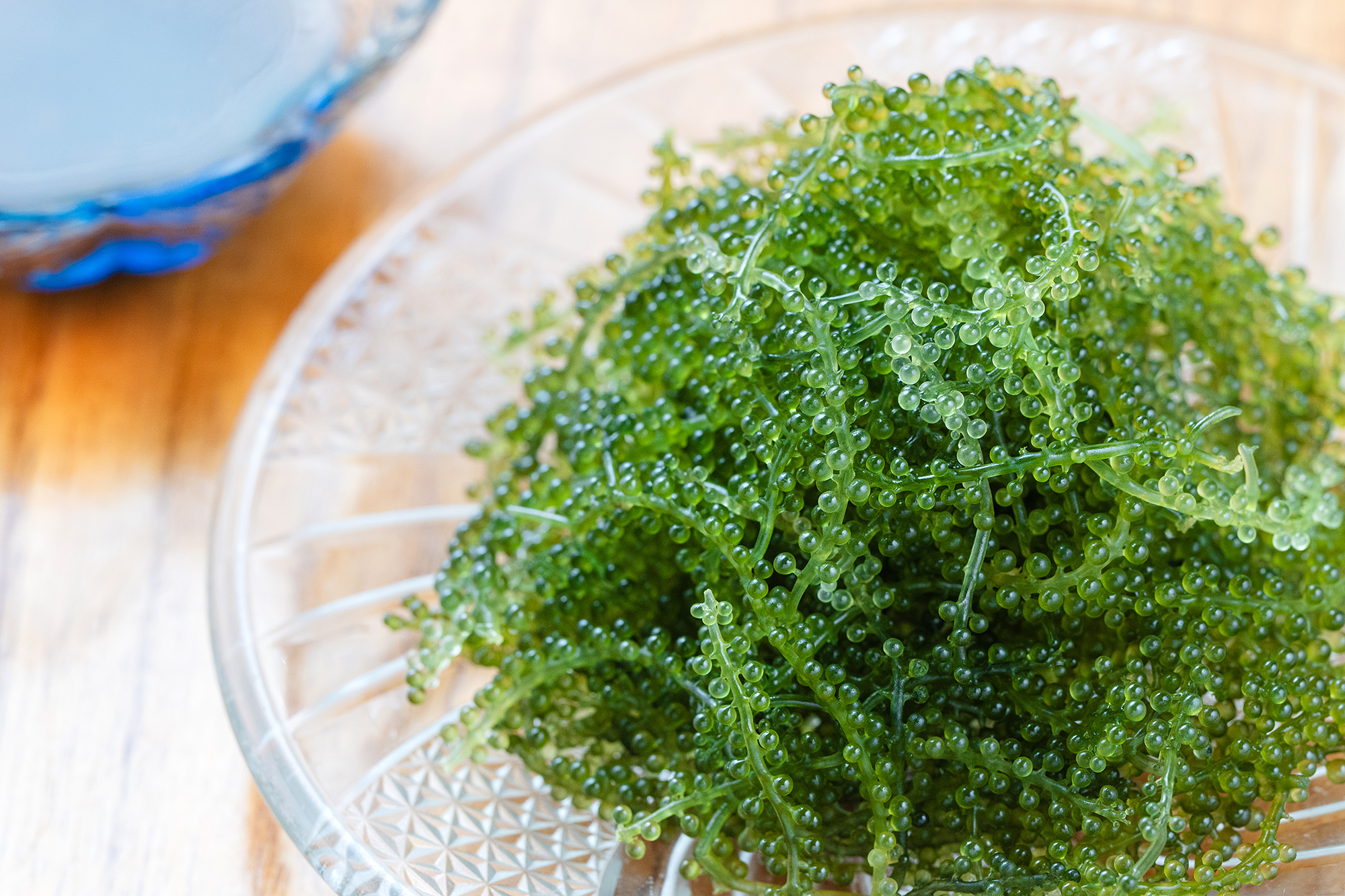
Sea grapes

Sea grapes with a delightful popping texture

Sea grapes, a type of seaweed that grows in warm seas, are a specialty of Okinawa. Because they shrivel when refrigerated, they are eaten fresh after harvesting. They have a popping texture and are eaten with soy sauce-based sauce or ponzu sauce. Some restaurants serve them as sea grape rice bowls.

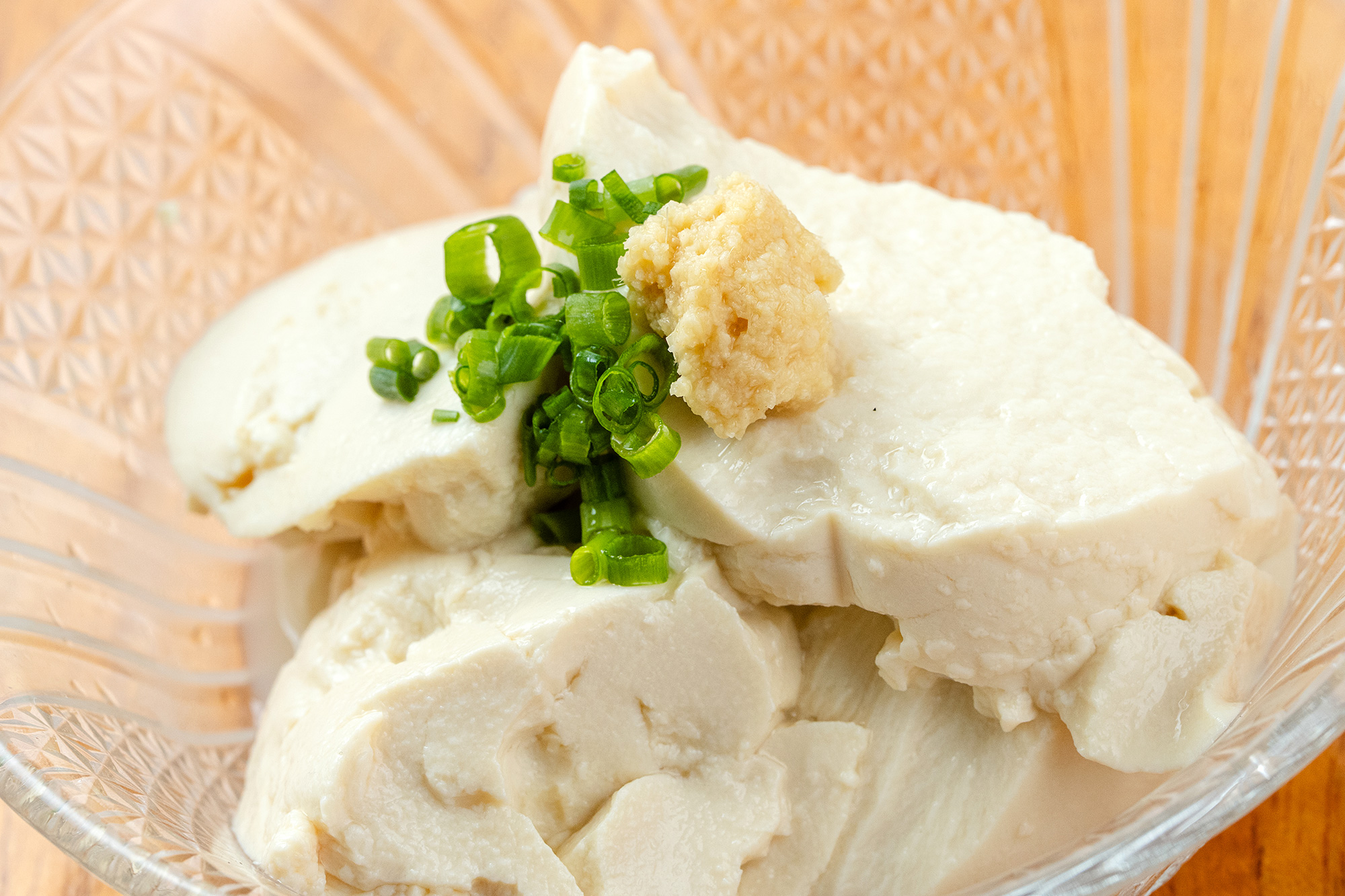
Yushi Tofu

Yushi tofu, made on the island, has a soft and fluffy texture.

Unlike the dense and chewy island tofu, yushi tofu is soft tofu before the water is removed in wooden boxes. It has a gentle saltiness that is delicious, and you should try it plain first without any condiments. It is packaged while still warm and sold in shops and supermarkets. It is perfect to buy and take home for breakfast at your accommodation.

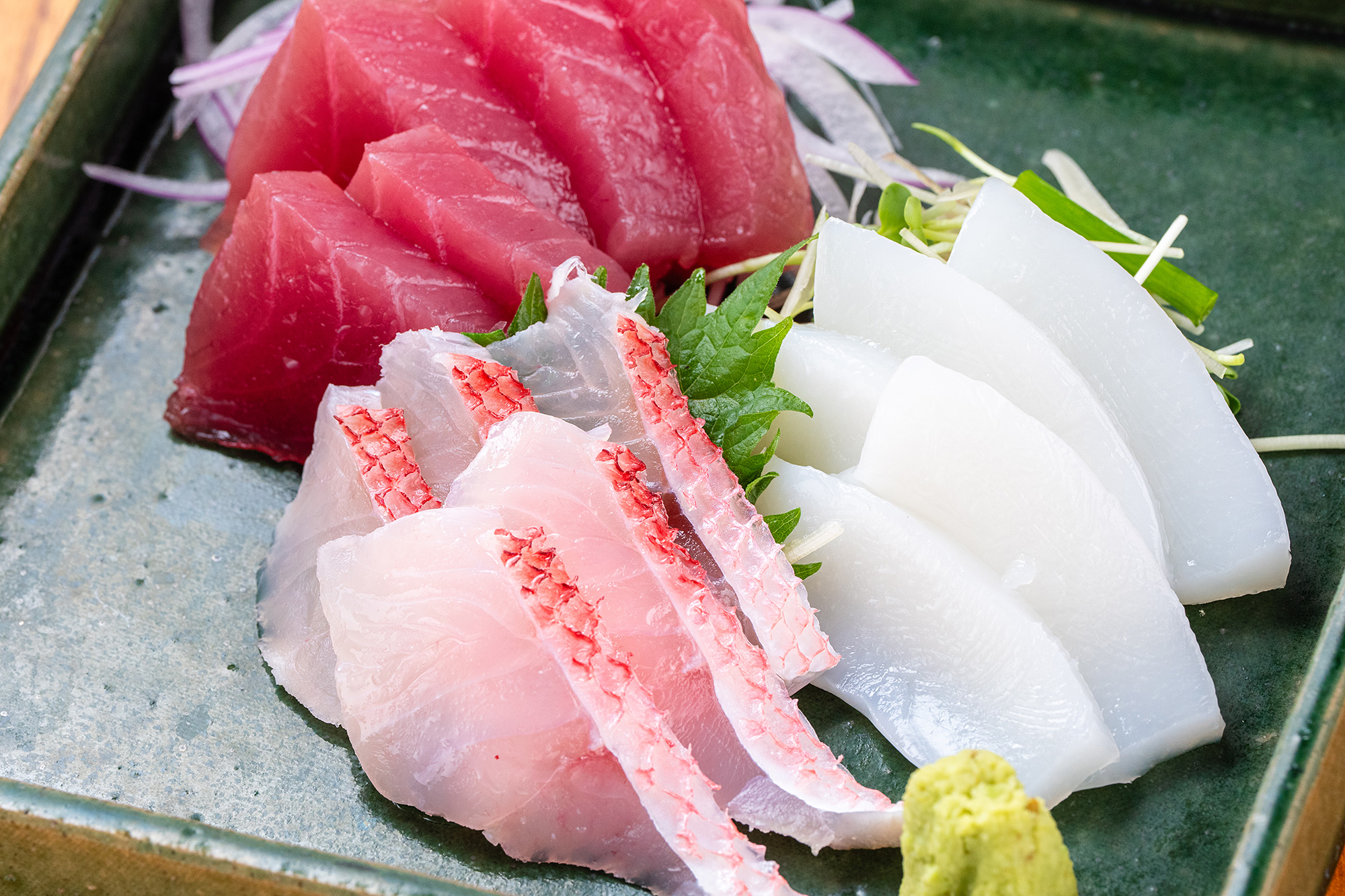
Island fish sashimi

You can enjoy freshly caught fish.

On Ishigaki Island, surrounded by the sea, you can eat incredibly fresh fish. In addition to tuna and bonito, you can also enjoy Okinawa's three most prized fish: Akajinmiibai (spotted grouper), Makubu (white-spotted wrasse), and Akamachi (red snapper), as well as the colorful Irabucha (parrotfish). Squid, including the 30kg-class squid, and shellfish such as giant clams and turban shells are also commonly eaten as sashimi.

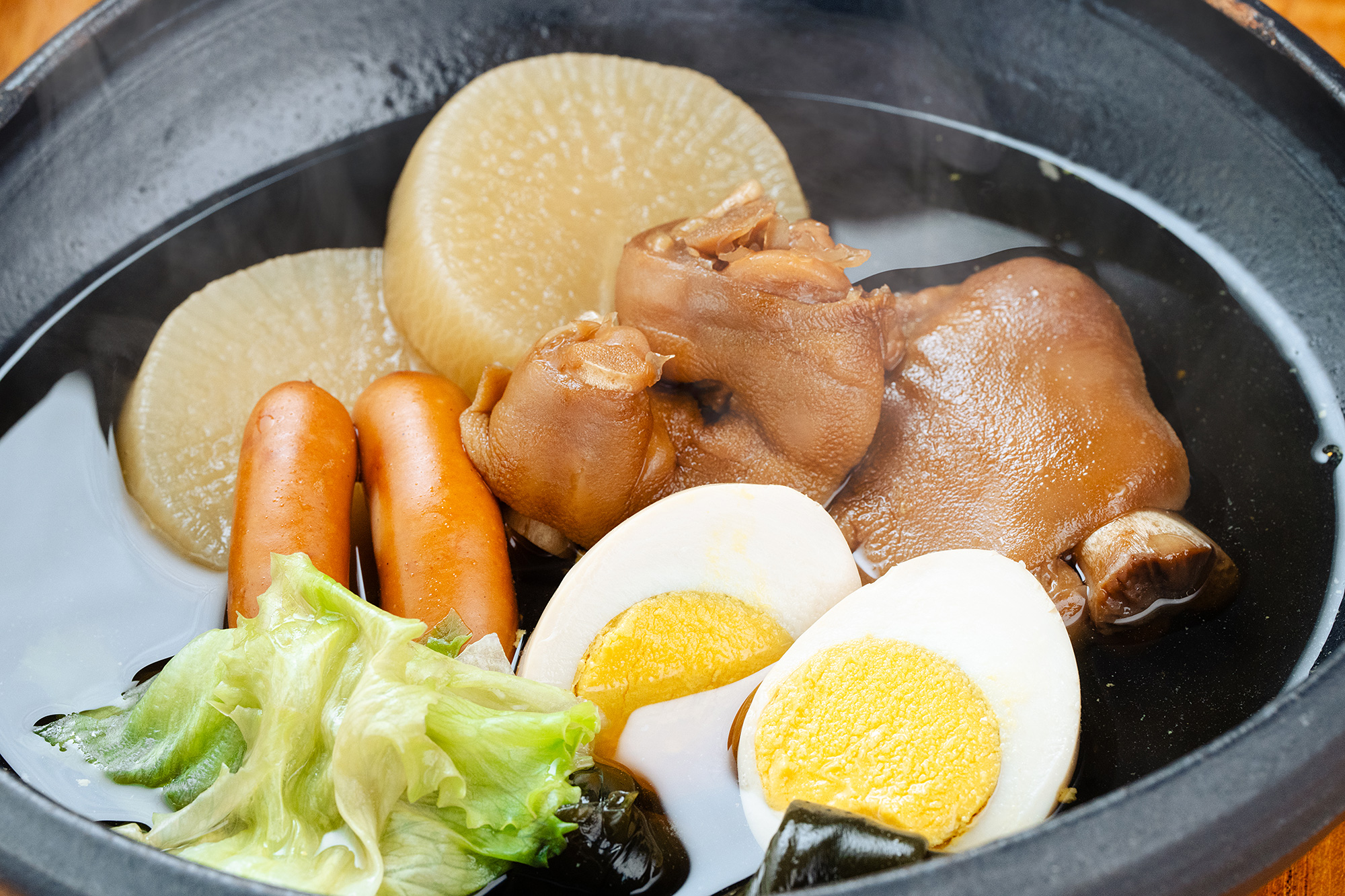
Oden

Okinawan oden always includes tebichi (pig's trotters).

Okinawan oden is on the richer side. Like on the mainland, it includes ingredients like daikon radish, eggs, kelp, and fish cakes, but the star of Okinawan oden is the tenderly simmered pig's trotters, or tebichi. It's also characterized by the inclusion of some kind of leafy green vegetable, such as Chinese cabbage or bok choy.

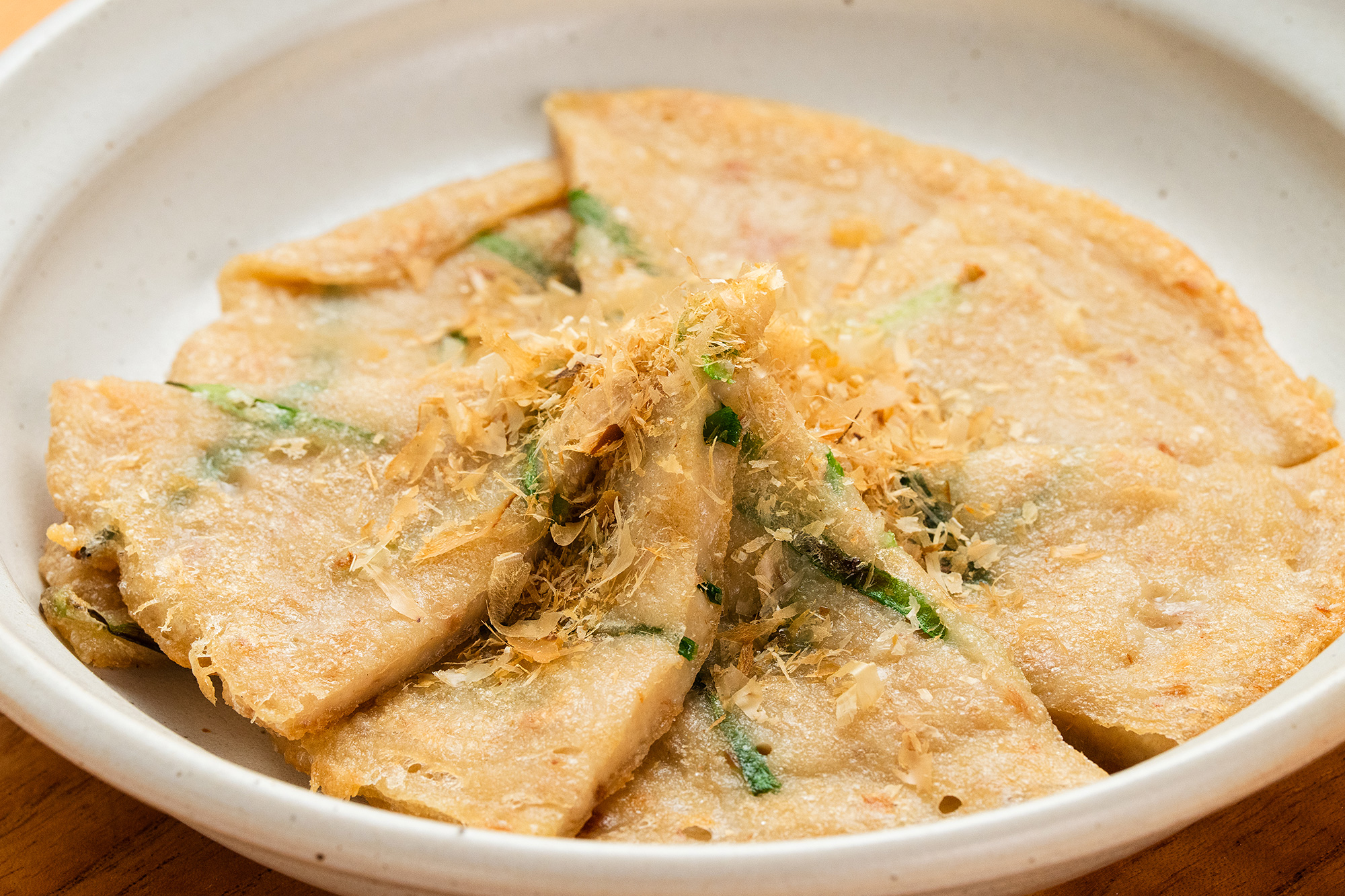
Hirayachi

Okinawan-style chijimi is great as a meal or a snack.

In Okinawan dialect, "hira" means flat and "yachi" means grilled. It's a dish similar to chijimi, made by mixing chives, Okinawan scallions, tuna, and other ingredients into a wheat flour-based batter and grilling it thinly. It's commonly eaten with bonito flakes and sauce. It can be found on izakaya (Japanese pub) menus and is also enjoyed as a snack.

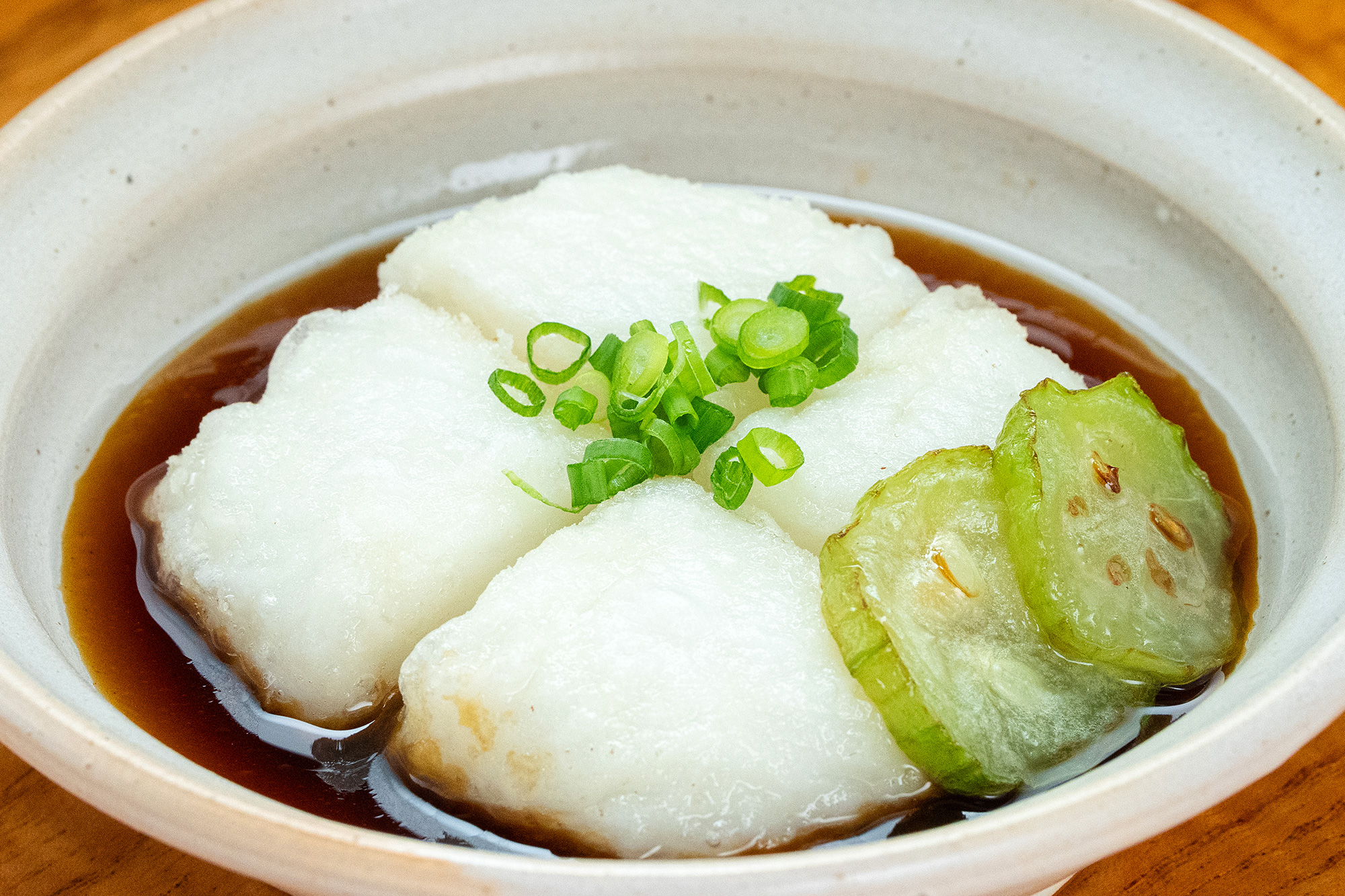
Deep-fried peanut tofu

Peanut tofu, a staple of Okinawan cuisine, can also be served as agedashi tofu.

Jimami tofu is made from peanuts. It's delicious eaten as is without frying, but it's also delicious deep-fried, with the fluffy and chewy jimami tofu going perfectly with warm broth. Although it's called tofu, in Ishigaki Island it's made and sold not by tofu shops, but by mochi shops.

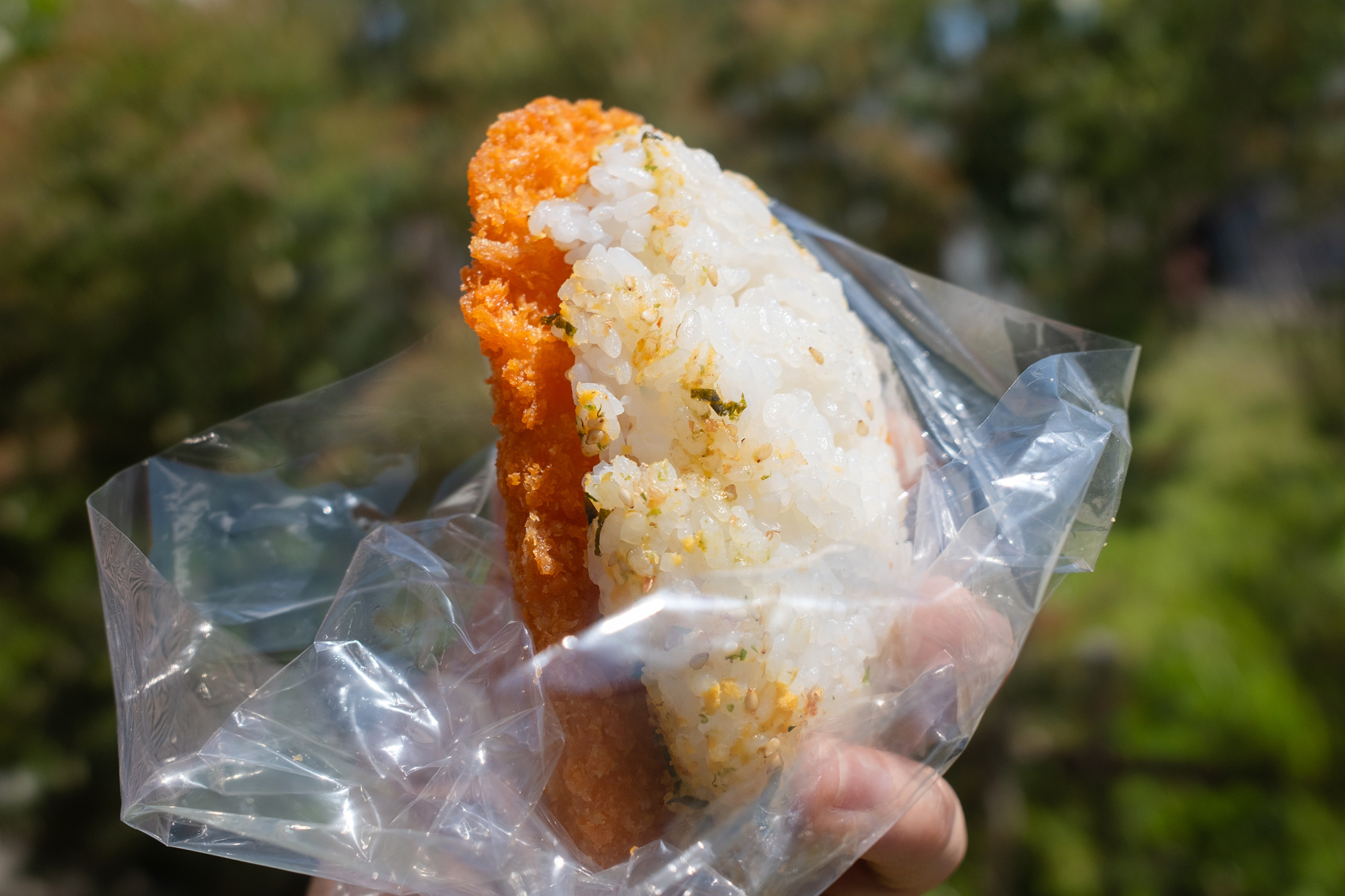
Onisasa

Onigiri and chicken breast cutlet make Onisasa

Onisasa are rice balls and chicken breast cutlets from a shop, placed in a plastic bag, and the rice balls are roughly shaped to resemble fried chicken before being gobbled down. They're a popular lunch choice for those heading to work, those with limited time for lunch, and high school students from nearby schools. The ease of eating them quickly is one of the reasons for their popularity. While chicken breast is the most common, canned pork cutlets and hamburgers are also staples on the island.

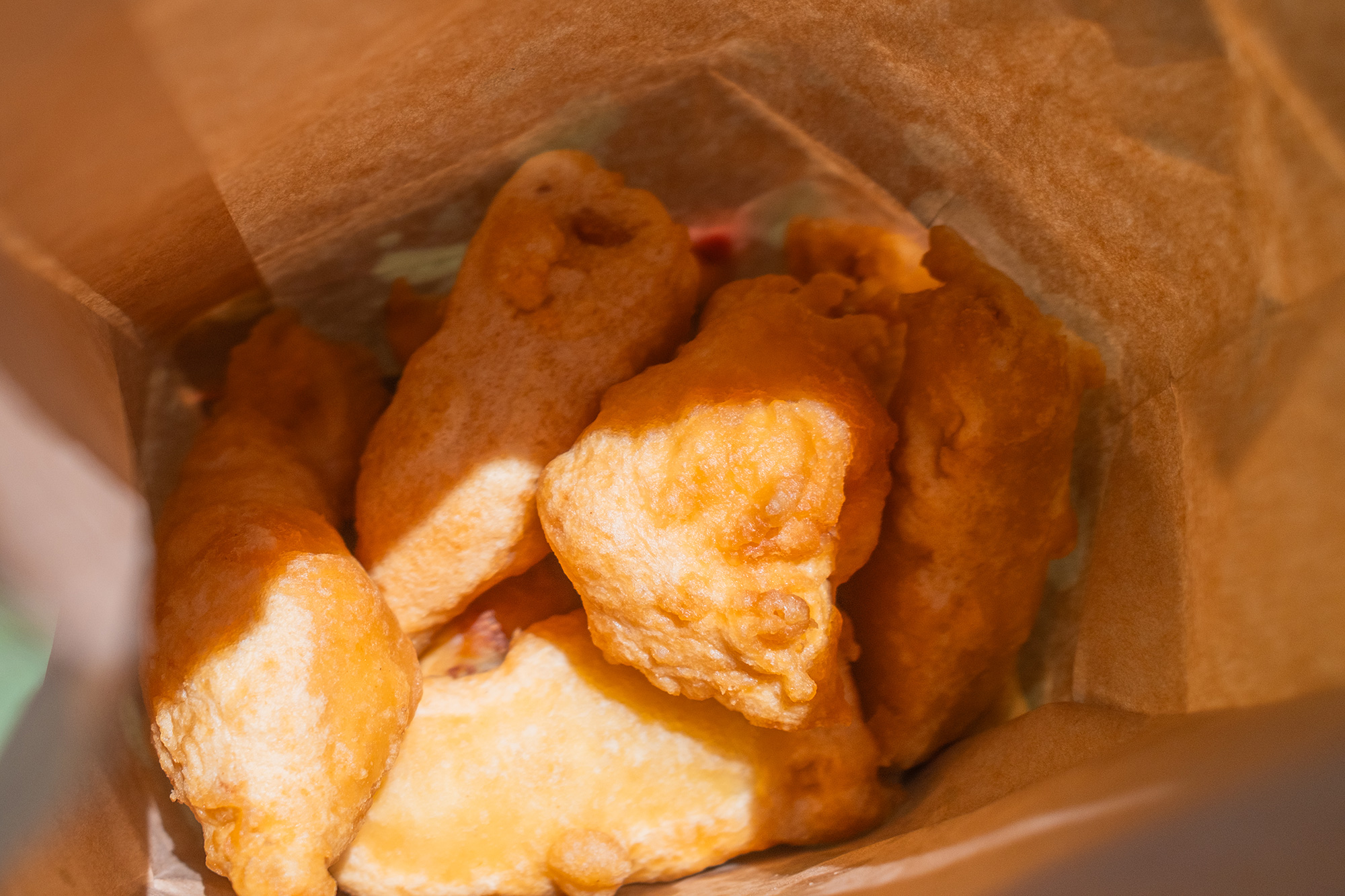
Fish tempura

Irresistibly delicious, fluffy tempura

On the island, tempura refers to tuna or white fish coated in a flour batter and deep-fried. The "sashimi shops" where you can buy tempura are generally fish shops, and on the island they are called sashimi shops, often run by the wives of fishermen. Fish tempura tastes best when eaten fresh off the fryer, while still piping hot.